Wildlife Photography
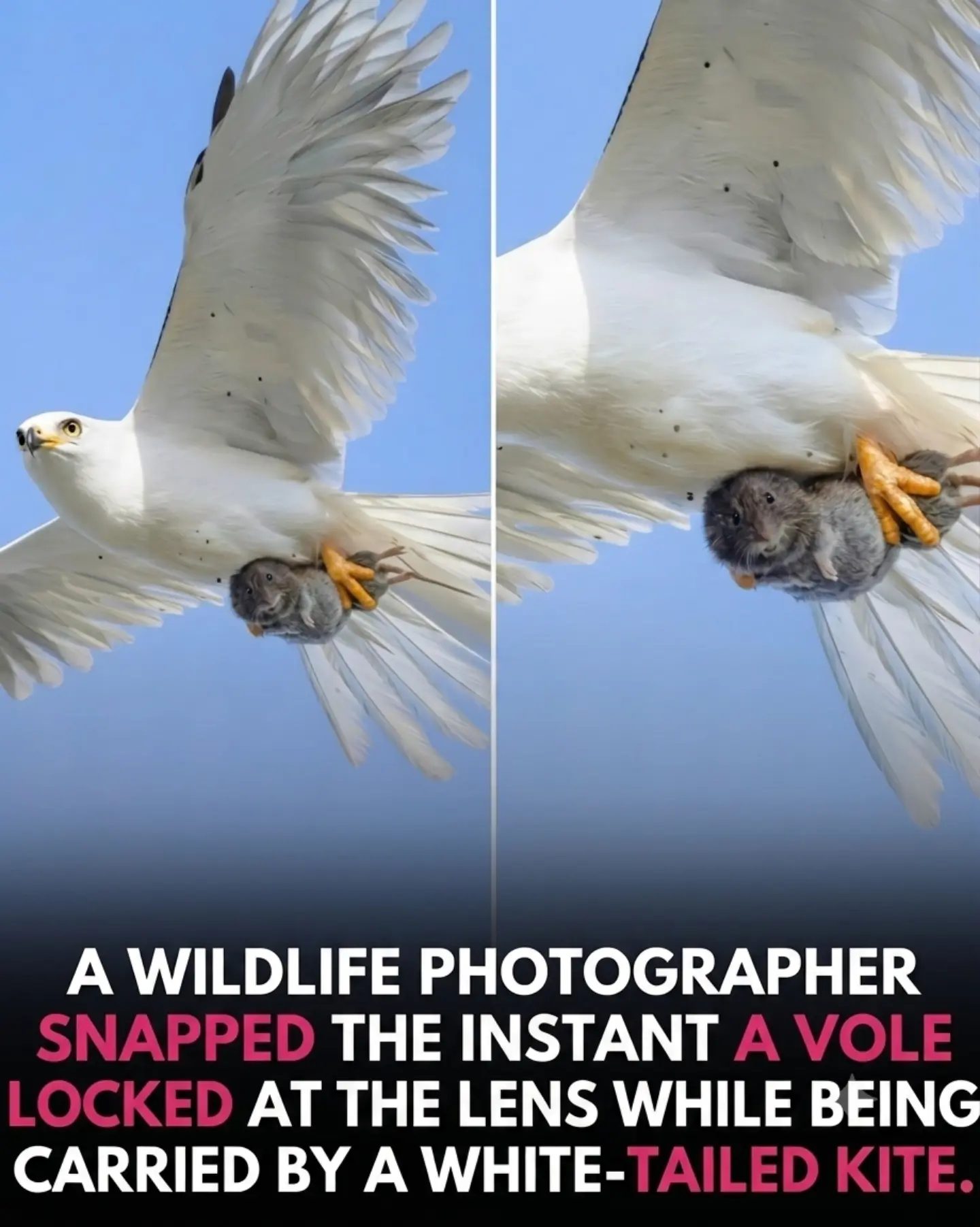
Wildlife photography often presents unique and breathtaking moments, capturing the raw and unpredictable nature of our ecosystems. One such moment involved a white-tailed kite soaring through the air with a fresh catch—a tiny vole. The vole, in a rare and extraordinary twist, managed to make direct eye contact with the camera lens mid-flight.
Why This Matters
White-tailed kites are renowned for their exceptional hunting skills and acrobatic maneuvers. These birds of prey are known for their unique ability to hover almost motionlessly in mid-air, a technique referred to as "kiting." This behavior allows them to scan the ground below for any signs of movement, making them extremely efficient hunters. Once they spot their prey, they dive silently and swiftly, using their sharp talons to grasp their target with precision.
Unlocking the Moment
The Expertise of White-Tailed Kites
White-tailed kites are truly masters of the sky. Their diet primarily consists of small rodents, which makes voles a top target. These birds have evolved to be highly effective hunters, using their agility and sharp eyesight to their advantage. Their ability to hover in place, combined with their swift and silent dives, makes them formidable predators.
The Capture
The moment captured in this photograph is nothing short of miraculous. The vole, in its final moments, manages to lock eyes with the camera, creating an eerie and unforgettable stare. This split-second capture is a testament to the unpredictable and captivating nature of wildlife photography. It’s a rare occurrence to witness a prey animal looking directly into the lens at such a critical moment, adding a layer of intensity and intrigue to the photograph.
The Rare Occurrence
While raptors catch prey every day, capturing that exact moment when the prey focuses on the camera is a once-in-a-lifetime shot. It’s a combination of luck, timing, and the photographer's skill that results in such a stunning image. The photographer in this case was in the right place at the right time, capturing a moment that highlights the beauty and unpredictability of nature.
Practical Tips for Wildlife Photography
Equipment and Preparation
For wildlife photography, having the right equipment is crucial. A telephoto lens with a fast shutter speed can help capture sharp, clear images of fast-moving subjects. Investing in a sturdy tripod and a remote shutter release can also enhance the stability and precision of your shots. Familiarize yourself with the behavior of the animals you plan to photograph. This knowledge can help you anticipate their movements and be ready to capture key moments.
Patience and Timing
Wildlife photography requires a great deal of patience. Spend time observing the animals in their natural habitat and wait for the right moment to click the shutter. Understanding the habits and routines of the animals can help you predict their movements and be ready when the perfect shot presents itself.
Ethical Considerations
Respect the animals and their habitats. Maintain a safe distance to avoid disturbing the wildlife and ensure their well-being. Ethical photography practices not only protect the animals but also enhance the authenticity and integrity of your work. Always prioritize the safety and comfort of the wildlife over getting the perfect shot.
Important Takeaways
Wildlife photography offers a unique perspective on the natural world, capturing moments that are both beautiful and unpredictable. The photograph of a vole being carried by a white-tailed kite is a testament to the skill and patience required in this field. The ability to capture such a rare and captivating moment underscores the importance of being prepared, knowing your subject, and having the right equipment.
Conclusion
Wildlife photography is a blend of art and science, requiring a deep understanding of the natural world and a keen eye for detail. The photograph of the vole and the white-tailed kite exemplifies the magic of wildlife photography, showcasing a rare and unforgettable moment. Whether you're a seasoned photographer or a beginner, embracing the unpredictability and beauty of nature can lead to stunning and memorable images.
Watch the Reel
Questions readers ask
What makes white-tailed kites exceptional hunters?
White-tailed kites are exceptional hunters due to their unique ability to hover almost motionlessly in mid-air, a technique known as 'kiting.' This allows them to scan the ground for movement and quickly dive down to catch prey, such as voles.
What is the typical diet of a white-tailed kite?
The white-tailed kite primarily feeds on small rodents, including voles. Their diet may also include other small animals like snakes, insects, and even small birds.
Why is the eye contact between the vole and the camera significant?
The direct eye contact between the vole and the camera is significant because it's a rare and unusual moment captured in wildlife photography. It also highlights the raw and unpredictable nature of interactions between predators and prey. The vole was caught in flight by the kite, making this eye contact even more remarkable.
What techniques do white-tailed kites use for hunting?
White-tailed kites use a combination of aerial maneuverability and keen eyesight for hunting. They hover in mid-air to spot potential prey and then dive down silently and swiftly to catch it.
What challenges do photographers face when capturing images of white-tailed kites?
Photographers face several challenges when capturing images of white-tailed kites, including the need for quick reflexes to capture fast-moving subjects, the right equipment to ensure clear shots, and the unpredictable nature of wildlife behavior, which can result in capturing unexpected moments.
Can white-tailed kites catch prey from the air?
White-tailed kites are capable of catching prey from the air, as seen in the article. With their agile flight and sharp eyesight, they can spot and catch prey on the ground or mid-flight.
How do white-tailed kites catch prey?
White-tailed kites catch prey by hovering in the air to spot their target, then quickly and silently dive from above to capture it. Their hunting technique, known as kiting, allows them to scan from above and swiftly swoop down on their prey, especially when it's on the ground.
Related deep dives
Similar reads based on topic and creator.




Recent articles
Fresh deep dives from the latest Reels we unpacked.




Comments
Be the first to comment.