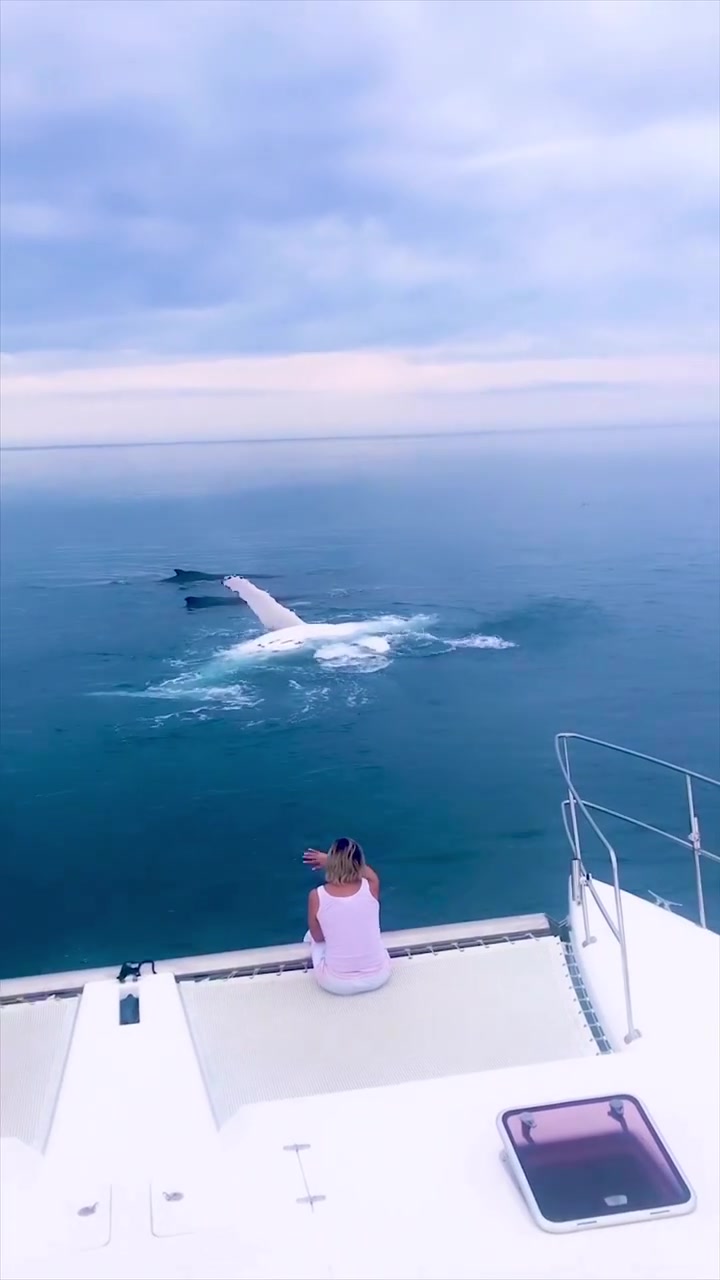
Jaxonark, a marine life enthusiast, captured an unforgettable experience aboard a boat off the coast of Queensland. As he sat on the bow, the water erupted as several humpback whales breached, creating towering columns of spray that glistened in the sun even as a pod of bottlenose dolphins leaped through the waves. The sight was as dramatic as it was peaceful: a scene of raw, untamed power in the open ocean, with animals that evaded extinction. Queensland is a sanctuary for diverse marine wildlife that routinely delights visitors, from the largest whales to the sleek dolphins, in an area of the country Australia proudly celebrates.Discovering the Whale Pod.
**The Whale Pod
There is something especially powerful about a whale. Its name arises from the word whale, with its itself a cognate of whales, the beasts of the deep. Those are the parts of story left hidden under the ocean, with only the tails sliced through the skies or surfacing of gentle giants, the moment of communion under the sun a reminder of the lives that swim below the surface. The whales in this video are humpback whales. These 40–50 foot behemoths are known for their acrobatic displays, such as breaching and tail slapping. These giant animals migrate through Queensland waters, traveling between feeding grounds in the Antarctic and breeding areas in the tropics. The sightings are a part of an instinctive journey — a natural ritual of life that draws nature lovers and marine biologists alike.This encounter offers a glimpse into this aquatic ballet: the whales' powerful bodies creating spray as they surface, and the dolphins’ sleek and graceful forms cutting through the water while keeping pace. These graceful creatures are a joy to watch. It’s a reminder that the ocean is alive in ways that captivate humans.
The Beauty of Queensland Marine Life
This is not Australia’s only whale population, nor its only marine sanctuary. Yet whale-watching in Queensland is not just a tourist attraction, but a cultural tradition celebrating the state's rich marine heritage. Visitors venture to pristine beaches and coastal towns, hoping to glimpse these majestic creatures in their natural habitat, and encountering them often means seeing several other species too. Queensland’s pristine waters are home to diverse marine life, while the environment is mostly protected and free from pollution. While dolphins are permanent residents, the whales are seasonal: humpback whales migrate through Queensland waters, traveling between feeding grounds in the Antarctic and breeding areas in the tropics. Queenslanders embrace this annual phenomenon, celebrating the arrival of the humpbacks. While the whales are eons old, their journey, seen through human eyes, is unchanging, a reminder of the timelessness of the ocean world.
A Rare Opportunity
The Wave
The whale pod’s movement is a signature of humpback whales. They leap out of the water, then dive back in, creating a dramatic splash. The wave that follows are arguably the most iconic spectacle in whale watching. When the humpback whale breaches, it is an incredible display of power and grace as they propel their massive bodies into the air. The breaches themselves can range from a single jump to multiple jumps in a row, often accompanied by audible splashing and thumping in what feels like a dance.
The Splash
When the whale slaps its tail, is not only powerful in motion but creates a surging of water, like the splash when diving into the deep. The vast height of the splash combines with the arc of the dive that creates a powerful calming wave. This is a perfect example of how the tropical setting is home to a delicate ecosystem.
The Magic
The biggest no-no of whale watching? Interfering or disturbing them. This moment is a reminder both of the protective need to keep human disturbances at a minimum when the whales are at ease, as well as a reminder that they are there. Night boat trips are especially favored for dolphin encounters, offering a unique opportunity to witness the luminescent plankton and dolphins that draw tourists. While whale watching is a popular activity, it's important to practice responsible behavior to protect the animals and preserve their habitat. Whales should be viewed from a safe and reasonable distance, and regulations should be followed to minimize disturbance to the animals. These encounters are a powerful reminder of the delicate balance, the beauty of nature, untouched, wild.
Ahead of the Pod
Whale watching tours in Queensland are plentiful, from boat trips to kayak excursions that offer a unique perspective. If you seek a more up-close and personal experience, you might try snorkeling or diving tours.
- When to Go: Humpback whales typically migrate through Queensland waters between June and November, with peak viewing times between July and September.
- What else to explore: Get ready to see dolphins, sharks, and rays — or even stumble on reefs like the Great Barrier Reef, the Sand Bar, and Heron Island.
- Tour Options:
- A boat tour will offer the flexibility of space
- Kayak excursion for a more intimate experience +microplanes that glide just above the water The experience can vary by tour, but the chance to spot a whale, and observe how it interacts with other inhabitants of the sea, is always magical. Because these moments are worth remembering by taking your camera. Remember to take respectful pictures though.
The Migratory Path
In the past decade, whale watching has been cemented as a cultural and tourist mainstay. This is a way of showcasing the beauty of the world. Pods of whales are creatures of habit. They have been known to return to the same places every year for decades — visiting the same beaches, swimming in the same waters. Whale watching offers a window into the world of these magnificent creatures. It’s worth the time, and the quiet. These days, it is thrilling to witness a humpback whale breach, especially in a melancholic space. Beautifuldestinations@jaxonark’s clip reminds us of the ocean’s power and serene beauty.
Watch the Reel
Questions readers ask
What kind of whales can you see when whale watching in Queensland?
You'll primarily see humpback whales, which are known for their acrobatic displays like breaching and tail slapping. These giants, measuring 40 to 50 feet, migrate through Queensland waters annually, making it a prime spot for whale watching.
What is the best time of year to see whales in Queensland?
The best time to see whales in Queensland is during their migration season, which typically occurs between June and October. During this period, humpback whales travel from their feeding grounds in the Antarctic to their breeding areas in the tropics, passing through Queensland waters.
Are there any other marine animals I might see while whale watching in Queensland?
Yes, besides humpback whales, you might encounter other marine life such as bottlenose dolphins. These dolphins are permanent residents of Queensland’s waters and often accompany the whales, adding to the spectacle of the experience.
What makes whale watching in Queensland unique compared to other whale-watching destinations?
Whale watching in Queensland is unique due to its cultural significance and the diversity of marine life. It's not just a tourist attraction but a cultural tradition that celebrates the state's rich marine heritage. The pristine waters and protected environment also enhance the experience, making it a memorable encounter with nature.
Is whale watching in Queensland environmentally safe for the animals?
Yes, whale watching in Queensland is generally environmentally safe. The waters are mostly protected and free from pollution, and the marine sanctuaries ensure that the environment is preserved. Operators follow guidelines to minimize disturbance to the whales and other marine life, ensuring a respectful and sustainable experience.
Related deep dives
Similar reads based on topic and creator.




Recent articles
Fresh deep dives from the latest Reels we unpacked.




Comments
Be the first to comment.