Driverless Cars in Residential Areas: Concerns and Solutions in Atlanta
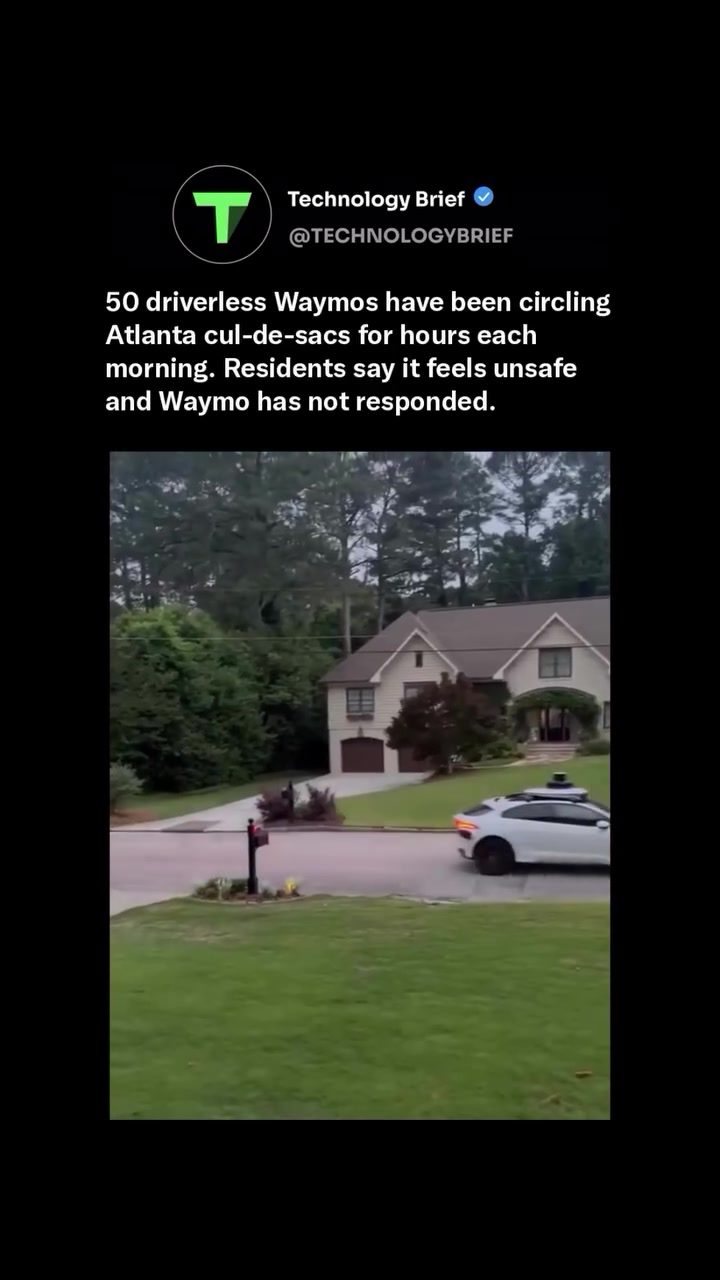
The presence of Waymo driverless cars in residential areas of Atlanta has sparked a wave of concern among residents. Specifically, residents of Battleview Drive in northwest Atlanta have reported that up to 50 empty Waymo robotaxis have been looping through their cul-de-sac between 6 and 7 a.m. with no passengers inside. The issue has been ongoing for about two months, with similar complaints from nearby Fernleaf Circle and other surrounding streets.
Why This Matters
The intrusion of driverless cars into residential areas raises several significant issues. These include safety concerns, traffic congestion, and the broader question of how driverless car navigation systems should prioritize residential zones. Understanding these dynamics is crucial for both residents and the technology companies deploying these vehicles.
Main Discussion
The Issue: Driverless Cars in Residential Areas
Residents have expressed their frustration with the sudden influx of driverless cars, which appear to use residential dead-end streets as holding areas while waiting for ride requests. This practice not only creates a significant amount of traffic but also poses a risk to families, pets, and children who get on the bus in the mornings.
Resident Concerns and Actions
Neighbors have taken several steps to address the problem. They tried placing a Step2Kid child-safety sign in the road to block the cars from entering. Unfortunately, the plan backfired as the Waymos could not process the unexpected obstacle and began stacking up, with eight vehicles backed up at once trying to figure out how to turn around.
Communication and Response
Despite their efforts, the residents' concerns were not immediately addressed. They reached out to Waymo and have not received a response. Additionally, they contacted the Atlanta City Council and the Georgia Department of Transportation, but got no response before the story went public.
Recent Developments
Waymo has since said that it “has already addressed this routing behavior.” However, the company did not explain what caused dozens of cars to funnel into a quiet residential street in the first place. This lack of clarity only adds to the residents' frustration.
Safety and Logistics
The presence of driverless cars in residential areas has raised significant safety and logistical concerns. Residents feel unsafe due to the increased traffic and the potential for accidents, especially in areas where children, pets, and families are present. The incident has also highlighted the need for better communication and responsiveness from companies deploying driverless cars.
Public Reaction
The Waymo incident in Atlanta is not an isolated case. Similar issues have been reported in other cities where driverless cars are being tested. These incidents underscore the need for more robust safety protocols and better communication with the public.
Practical Tips for Residents
Engage with Local Authorities
Residents concerned about driverless cars in their neighborhoods should engage with local authorities and representatives to voice their concerns. This can include city council members and transportation departments.
Contact the Company Directly
Reaching out directly to the company operating the driverless cars can also be effective. Clear communication and documentation of issues can help in resolving the problem more quickly.
Community Involvement
Involving the community in problem-solving can lead to more effective solutions. Neighborhood meetings and discussions can help in addressing safety concerns and ensuring the well-being of the community.
Important Takeaways
Safety First
The safety of residents, especially families with children and pets, should be the top priority. Driverless car navigation systems need to be programmed to avoid residential areas unless necessary.
Clear Communication
Companies need to establish clear communication channels with residents to address any concerns or issues promptly. This includes responding to inquiries and providing explanations for their actions.
Ongoing Monitoring
Regular monitoring and updates from companies on their deployment strategies can help in preventing such incidents in the future. This ensures that residents are aware of any changes and can plan accordingly.
Conclusion
The situation in Atlanta serves as a reminder of the challenges and concerns that come with the deployment of driverless cars. It highlights the need for more robust safety protocols, better communication, and a more inclusive approach to involving residents in decision-making processes. Addressing these issues will ensure a smoother integration of driverless technology into our daily lives.
Watch the Reel
Questions readers ask
Why are Atlanta residents concerned about Waymo's driverless cars?
Atlanta residents, particularly in areas like Battleview Drive and Fernleaf Circle, have expressed concerns about the safety and traffic issues caused by Waymo's driverless cars. These cars often circle residential streets waiting for ride requests, leading to worries about potential accidents and increased traffic congestion.
How do Waymo's driverless cars impact residential traffic in Atlanta?
Waymo's driverless cars have been observed looping through residential streets, such as Battleview Drive, during early morning hours. This behavior has led to increased traffic and congestion in these areas, disrupting the daily routines of local residents.
What specific concerns do Atlanta neighbors have about Waymo's driverless cars?
Neighbors have reported up to 50 empty Waymo robotaxis circling their streets between 6 and 7 a.m. This has raised concerns about safety, as these vehicles are often empty and may cause confusion or potential hazards for pedestrians and other drivers.
What measures can be taken to address the issues caused by Waymo's driverless cars in residential areas?
To mitigate the issues, Waymo and local authorities could consider implementing restrictions on driverless cars in residential areas during peak hours. Additionally, improving communication with residents and adjusting the navigation systems to avoid excessive looping could help alleviate some concerns.
What are the potential long-term effects of driverless cars in residential communities?
The long-term effects could include increased traffic, reduced neighborhood safety, and potential conflicts between residents and driverless car companies. It is crucial for stakeholders to engage in dialogue and find solutions that balance the benefits of driverless technology with the needs and safety of residential communities.
How can residents voice their concerns about Waymo's driverless cars in Atlanta?
Residents can voice their concerns by reaching out to local authorities, community associations, and Waymo directly. Engaging in community meetings, submitting formal complaints, and participating in public forums can also help bring attention to these issues and encourage action.
What are some of the broader implications of driverless cars operating in residential zones?
The operation of driverless cars in residential zones raises questions about urban planning, traffic management, and the integration of new technologies into established communities. It is essential for policymakers and technology companies to consider these broader implications and work towards solutions that benefit both residents and technological advancements.
Related deep dives
Similar reads based on topic and creator.




Recent articles
Fresh deep dives from the latest Reels we unpacked.




Comments
Be the first to comment.