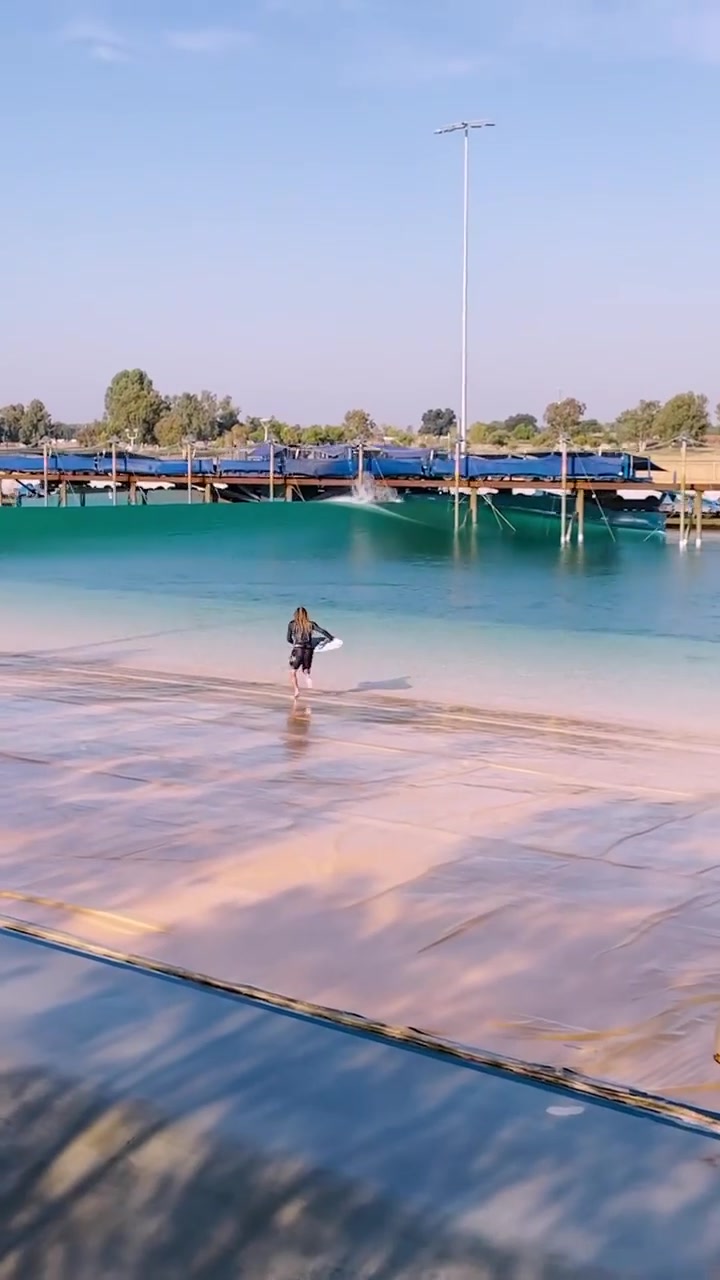
Artificial waves bound like ocean swells in a man-made basin, but instead of a beach, this is concrete. Surging off an underwater ledge, the wave crashes along a 35-foot-long surfable wall. This is wave pool surfing, a landlocked alternative to ocean waves. Surfers are entering this niche but growing niche to ride waves that pool in a concrete or composite container.
The Mechanics of Wave Generation
Wave pools are engineered for surfing. Designed to create consistent, surfable waves, they mimic the dynamics of ocean waves. The pool's structure features a flat surface and an underwater wave-generating mechanism. The interplay of physics and engineered surfaces generates steady waves, but unlike ocean swells, the waves pool until the next cycle starts and water is pumped back. Waves are propelled by water moving from lower elevations. A pump or wave-focusing technology forces water against an underwater ledge. The disturbance travels upward, then forward, creating a wave. When the wave reaches the end of the pool, it dissipates until pumped back. The process repeats, generating waves on-demand.
Surfing Infrastructure
Waves of the future are making surfing accessible. Wave pools are surfing's answer to artificial snow: a way to make surfing available year-round, regardless of geography or weather. But while surfing cannot fully replicate the vast ocean swells, it comes close. Wave pools are making surfing accessible for those who do not have ocean access and for beginners who want to learn without the hazards of open ocean surfing. In the case of the wave pool that surfer is riding in this video, the wave rolls from the bottom edge along a 35-foot-long wall. Product developers are innovating wave pool design. The rapid acceleration of technology makes wave pools more accessible. Innovation makes wave pools better — in terms of wave quality, consistent shape, and surfable walls.
Rolling Waves, Rolling Money — with Long-Term Questions
Wave pools are funding new revenue models. They are the center of a growing niche. New wave pools and surf schools are making surfing accessible without the risks and hazards of open ocean surfing. Those surf schools are making surfing part of the broader wellness movement. This niche is increasing revenue models for resorts and health clubs. This is part of a broader trend of health and fitness becoming more accessible to the general public. But long-term problems lurk. Critics wonder what this new generation of surfers will do when they tire of the static waves. Will they venture into the ocean? Experts argue that wave pools could depopulate surf schools. Will ocean surfing dwindle? Does it create more accidents for lifeguards who already have clear water issues with open ocean surfing? We don't know the answers to those questions.
Where to go for surfers
Surfers across the U.S. are making transportation choices. The Surfers Village wave pool in North Carolina features a 35-foot-long wall. The wave pool in Texas has a 60-foot-long wall. California and Australia are also seeing development of these wave pools.
Surfing Outside the Sea
Wave pools offer surfing enthusiasts the ability to ride the waves without having to travel to the remote beaches. This is a growing niche. There are opportunities to surf in a safe environment. But at the same time, we cannot fully replicate the experience of ocean surfing. Wave pools are not a substitute for the ocean. Yet, for those who seek the thrill of surfing without risking it all, wave pools are a good alternative.
Watch the Reel
Questions readers ask
How do wave pools generate waves that surfers can ride?
Wave pools use a combination of physics and engineered surfaces. A pump or wave-focusing technology forces water against an underwater ledge, creating a disturbance that travels upward and forward, forming a wave. This wave then crashes along a surfable wall, typically 35 feet long, before dissipating and being pumped back for the next cycle.
What makes wave pools a good alternative to ocean surfing?
Wave pools offer a consistent, surfable wave experience year-round, regardless of geography or weather. They provide a safer environment for beginners and those without easy access to ocean surfing. The waves are engineered to mimic ocean swells, offering a similar experience in a controlled setting.
How do wave pools contribute to the broader wellness movement?
Wave pools are part of a growing niche that makes surfing more accessible. They are integrated into resorts and health clubs, offering a new revenue model and contributing to the broader trend of health and fitness becoming more accessible. Surf schools at these locations make surfing part of the wellness movement.
What are the long-term concerns associated with wave pools?
One long-term concern is whether surfers who grow up on wave pools will venture into the ocean. There's also a question of whether wave pools could depopulate traditional surf schools or create more work for lifeguards. The impact of wave pools on ocean surfing culture and safety is still an open question.
Where can surfers find wave pools in the U.S.?
The Surfers Village wave pool in North Carolina features a 35-foot-long wall, while the wave pool in Texas has a 60-foot-long wall. California and Australia are also developing wave pools, offering more options for surfers looking to experience this landlocked alternative.
Related deep dives
Similar reads based on topic and creator.




Recent articles
Fresh deep dives from the latest Reels we unpacked.


Comments
Be the first to comment.