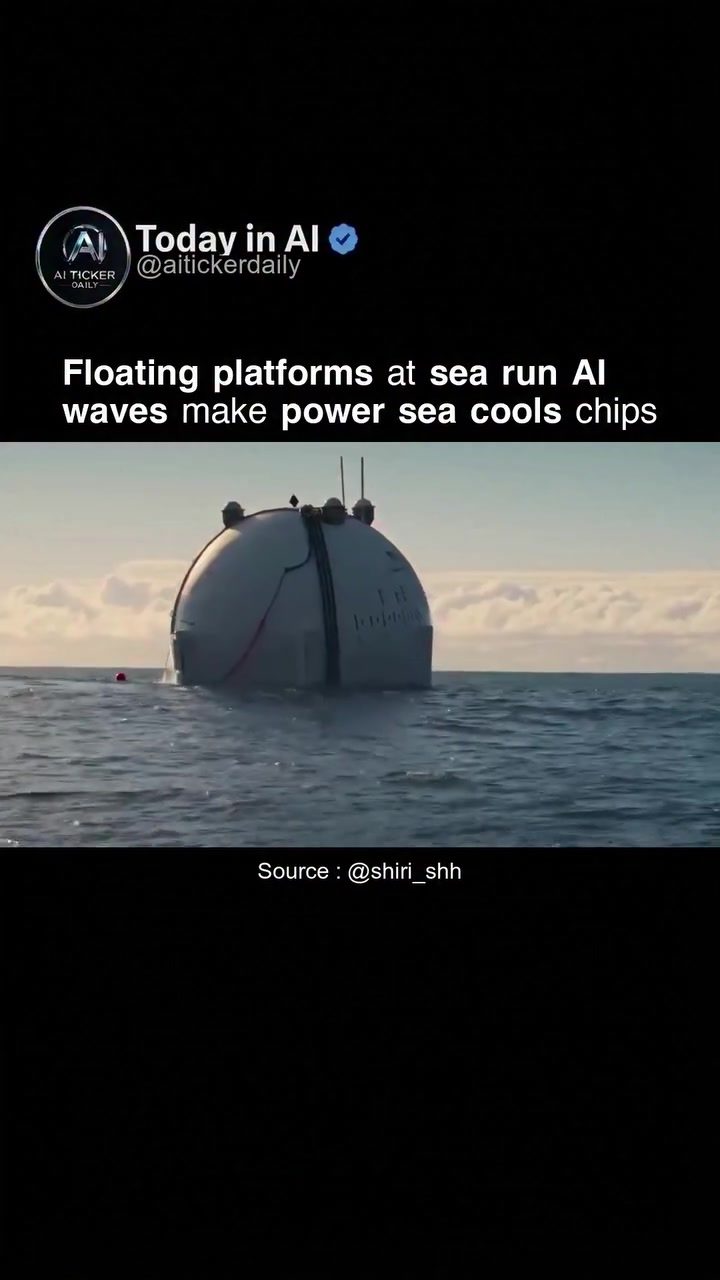
Floating Wave Energy Platforms: Harnessing the Power of the Sea
Floating platforms that harness wave energy are a groundbreaking development in the realm of renewable energy. These innovative structures, designed to operate in the ocean, convert the motion of waves into electricity, providing a sustainable power source for various applications, including data centers.
Context/Why This Matters
As the demand for renewable energy sources grows, so does the need for innovative solutions that can meet this demand without depleting natural resources or contributing to environmental degradation. Floating wave energy platforms offer a promising solution to this challenge. By harnessing the power of ocean waves, these platforms provide a clean and abundant source of energy.
Land-based power plants and data centers are facing significant constraints: space and power. As urban areas become more congested, finding suitable locations for new developments becomes increasingly difficult. Additionally, the energy demands of modern technology, particularly in data-intensive fields like AI, are skyrocketing. These challenges make the ocean an attractive alternative for power generation and data processing.
Main Discussion
The Technology Behind Wave Energy Converters
Wave energy converters (WECs) are the core technology used in floating wave energy platforms. These devices are designed to capture the kinetic energy of ocean waves and convert it into electrical energy. The technology typically involves a mechanical system that moves in response to the wave motion, driving a generator to produce electricity.
There are several types of wave energy converters, each with its unique design and operational mechanism. Some of the most common types include:
- Oscillating Water Columns (OWCs): These devices use the rise and fall of water columns to compress air, which in turn drives a turbine to generate electricity.
- Oscillating Bodies: These converters use the motion of a floating body relative to a fixed reference point to drive a mechanical system that produces electricity.
- Overtopping Devices: These devices capture waves as they break over a barrier, channeling the water into a reservoir where it can be used to drive turbines.
The Role of Wave Energy in Powering Data Centers
One of the most exciting applications of floating wave energy platforms is their use in powering data centers. As the demand for AI and other data-intensive technologies grows, so does the need for massive data centers to support these operations. Traditional data centers require significant amounts of land and electricity, both of which are becoming increasingly scarce.
Floating data centers offer a unique solution to this problem. By placing data centers on floating platforms in the ocean, companies can take advantage of the abundant and renewable energy provided by wave energy converters. Additionally, the seawater can be used to cool the chips inside the data centers, further reducing their energy consumption and environmental impact.
The Case of Panthalassa
One company at the forefront of this technology is Panthalassa. Recently, Panthalassa raised $140 million to build floating platforms at sea that run AI. These platforms utilize wave energy to generate electricity, eliminating the need for a traditional power grid. The seawater surrounding the platforms is used to cool the chips inside, ensuring efficient and sustainable operation.
Backed by prominent investors like Peter Thiel, Panthalassa's technology represents a significant step forward in the field of renewable energy. With a company valuation nearing $1 billion, it is clear that this innovative approach to power generation has garnered considerable interest and support.
Practical Tips
If you are considering the use of wave energy converters for your own projects, there are several practical steps you can take to ensure a successful implementation:
-
Conduct a Feasibility Study: Before investing in wave energy technology, it is essential to conduct a thorough feasibility study. This will help you determine the potential energy output, the suitability of the location, and the overall cost-effectiveness of the project.
-
Choose the Right Technology: There are several types of wave energy converters available, each with its advantages and disadvantages. It is crucial to select the technology that best suits your specific needs and environmental conditions.
-
Engage with Experts: Wave energy technology is a complex and rapidly evolving field. Engaging with experts in the industry can provide valuable insights and ensure that your project is successful.
-
Consider Regulatory Requirements: The deployment of wave energy converters often involves navigating complex regulatory requirements. It is essential to understand and comply with local, national, and international regulations to avoid potential legal issues.
-
Plan for Maintenance: Wave energy converters are subject to the harsh conditions of the ocean environment. Regular maintenance is necessary to ensure the longevity and efficiency of the technology. It is important to factor in maintenance costs and develop a comprehensive maintenance plan.
Important Takeaways
Floating wave energy platforms are a cutting-edge solution to address the growing demand for renewable energy. By harnessing the power of ocean waves, these platforms can provide a clean and sustainable power source, particularly for data centers and other energy-intensive applications.
The technology behind wave energy converters is diverse and evolving, with several types of devices available to meet different needs and conditions. Companies like Panthalassa are pioneering the use of this technology, demonstrating its potential to revolutionize the energy sector.
Conclusion
The future of renewable energy lies in innovative solutions that can harness the abundant resources of our planet. Floating wave energy platforms represent a significant advancement in this field, offering a clean and sustainable power source for a wide range of applications. By embracing this technology, we can reduce our reliance on fossil fuels and take a major step towards a more sustainable future.
Watch the Reel
Questions readers ask
How do floating wave energy platforms generate electricity?
Floating wave energy platforms generate electricity by converting the kinetic energy from ocean waves into mechanical energy, which is then transformed into electrical energy using generators.
What are the main advantages of using ocean wave power plants over traditional land-based power plants?
Ocean wave power plants offer several advantages, including reduced environmental impact, lower land use, and the ability to harness a more consistent and predictable energy source. Additionally, wave energy platforms can be located near coastal data centers, providing a reliable power source.
What are some of the challenges faced by wave energy platforms and how are they being addressed?
Challenges include the harsh ocean environment, which can cause wear and tear on the platforms, and the intermittent nature of wave energy. However, advancements in materials science and improved design are making these platforms more durable and efficient. Furthermore, integrating wave energy with other renewable sources can help mitigate intermittency.
Can wave energy platforms be used to power remote coastal communities?
Yes, wave energy platforms are well-suited for powering remote coastal communities. Their ability to operate in the open ocean and deliver clean energy makes them an ideal solution for locations where traditional power infrastructure is limited or non-existent.
How does the future look for wave energy as a renewable energy source?
The future of wave energy is promising. With ongoing technological improvements and increasing investment, wave energy is expected to become a more significant contributor to the global renewable energy mix. Governments and private sectors are investing in research and development to enhance the efficiency and cost-effectiveness of these platforms.
What role can wave energy for data centers play in sustainability efforts?
Wave energy for data centers can significantly enhance sustainability. Data centers, which are energy-intensive, can leverage the consistent and renewable power from wave energy platforms. This reduces their reliance on fossil fuels and decreases their carbon footprint, contributing to a more sustainable digital infrastructure.
Recent articles
Fresh deep dives from the latest Reels we unpacked.




Comments
Be the first to comment.