Cascading to the Countryside
Waterfall landscapes are more than focal points for nature documentaries and screensavers. They have a rich cultural hoistory, undeniable spiritual impact of their surroundings, and can even shape tourism — but few realize how they rise to the top in shaping our surroundings in more ways than one.
What makes a waterfall landscape work
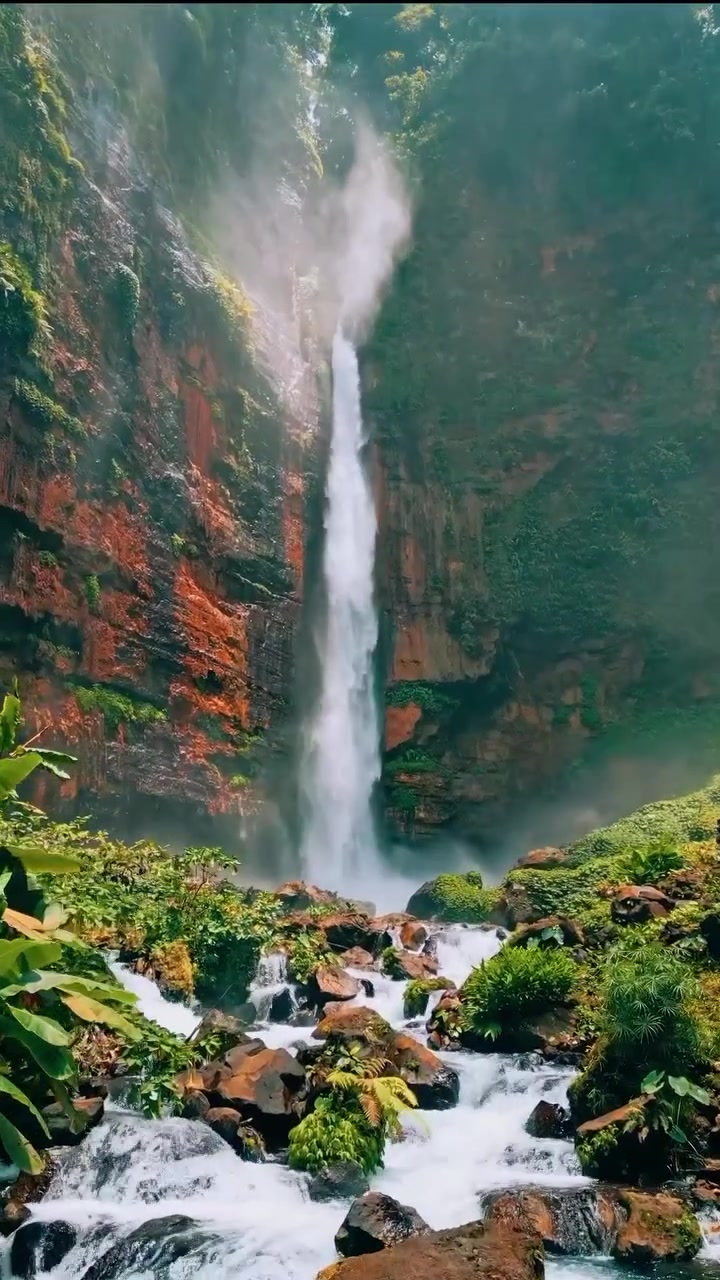
The visual appeal of a waterfall comes naturally and instinctively. Waterfall landscapes are formed when rivers and streams rush over steep drops. The visual of flowing, cascading water is an embodied experience — it's a primordial glimpse into power of nature that captures one's attention. This contrast is known as the cascade effect: the tumbling water creates white, foam that drifts and dissolves into a serene, often swirling, pool at its base. This interplay between the intense movements of the waterfall and the calmness of its surroundings creates a visually captivating scene. Most notably, the cascade effect is amplified when the fall is in a lush, green setting, where the dynamism of the waterfall is set against the softer, less-animated landscape. Every waterfall is the sum of a set of forces — height, breadth, drop, cliff geometry, surrounding vegetation, and the flow of the water. Even a minor change in any one of these elements can transform the entire visual experience. For example, a falls with a steep drop and a wide breadth will have a much different impact than a taller, narrower fall. The beauty of a waterfall landscape is in the contrast between its powerful dynamics and its serene surroundings. The waterfall itself is a constant motion of falling into white foam that becomes tranquil when it hits the base. This interplay between power and serenity creates a picturesque motif that appears in many forms of art from cinema, painting, and photography to music, poetry, and theatre.
A Vision of Rejuvenation and Tourism
Waterfalls have a long history of inspiring awe and wonder in people. They have long been considered the cornerstone of spiritual journeys and healing quests. They also serve as significant tourist destinations for all these reasons. These natural wonders draw millions of visitors each year. Waterfall tourism is a kind of ecotourism, as it typically involves outdoor activities and appreciating natural landscapes, and these destinations can support local economies by creating jobs and attracting travelers. Tourists are in constant search of more authentic experiences. Guided tours are a far cry from the restrictions and limitations imposed by COVID-19 and there is sensorial appeal to waterfall tourism. The sound of the water cascading over the rocks combined with the refreshing mist from the falling water, creates a truly restorative experience. Waterfalls embody the classic idea of a sound bath. Waterfalls carry a unique ecological importance.
Thick Forest, Insightful Streams
Lush greenery creates an absorption into the vibrant energy of the waterfall. The foliage and vegetation surrounding a waterfall typically absorb most of the sound generated from the cascade of the falls. Falls vary greatly in terms of their volume of water. These variations create a dance between flow and falls, that can either be subtle or explosive. Complementing the visuals, waterfalls produce sounds that can be both calming and invigorating — the soothing lull of a gentle waterfall or the thunderous roar of a powerful cascade. In essence, the auditory experience can help create an immersive environment. The sound of water flowing over rocks and cascading down can create a natural soundtrack that is both calming and invigorating. The deep, resonant sounds of a powerful waterfall can also help drown out any background noise, creating a sense of isolation and serenity.
Climb to the top with visual effects
The camera angle sets the stage to what you get to observe. The wide view of a waterfall can provide a panoramic perspective, offering a sense of the waterfall's scale and its surrounding environment. The angle plays a crucial role in shaping the visual experience of a waterfall.
Cascading into the culture
It's no surprise that waterfalls have inspired countless artists. Its visualization has long served as an inspiration in various forms of art. Artists from various mediums continue to harness the energy of waterfall photos, paintings, and sculptures. Waterfalls are often used as metaphors for transformation.
The Natural Escapists
Nature lovers who wish to visit a waterfall landscape first should assess the weather and the time of day. Typically, the best time to visit a waterfall is after a good amount of rain or at a time of the year when the waterfall is at its peak flow. Some people may want to wear comfortable shoes and bring water-resistant gear to protect their belongings. Be sure to bring a camera, a rain jacket, and water to stay hydrated. Finally, respecting the environment is important. Sticking to designated paths and avoiding contact with wildlife is highly encouraged.
Watch the Reel
Questions readers ask
How does the cascade effect influence the overall experience of a waterfall landscape?
The cascade effect is what makes waterfall landscapes so visually captivating. It's the interplay between the dynamic, powerful motion of the falling water, which creates white foam, and the calm, often swirling pool at the base. This contrast is amplified when the waterfall is surrounded by lush greenery, making the experience even more enchanting.
What factors contribute to the unique visual experience of a waterfall?
Several factors come together to create the unique visual experience of a waterfall. These include the height and breadth of the fall, the drop's steepness, the cliff geometry, the surrounding vegetation, and the flow of the water. Even small changes in any of these elements can significantly alter the overall visual impact.
How do waterfalls contribute to tourism and local economies?
Waterfalls are major tourist attractions, drawing millions of visitors each year. This form of ecotourism involves outdoor activities and appreciation of natural landscapes, supporting local economies by creating jobs and attracting travelers. The sensory experience of waterfalls, with their sound and mist, offers a restorative and authentic experience for tourists.
What makes waterfall landscapes so prominent in art and culture?
Waterfall landscapes have a rich cultural history and spiritual significance. They often serve as a symbol of nature's power and serenity, making them a popular motif in various art forms, including cinema, painting, poetry, and theatre. Their ability to inspire awe and wonder has made them a cornerstone of spiritual journeys and healing quests.
What are the benefits of guided tours to waterfalls and how do they enhance the experience?
Guided tours to waterfalls offer a more immersive and educational experience, especially after the restrictions of COVID-19. They provide insights into the ecology and history of the waterfalls, enhancing the sensory experience and helping visitors appreciate the natural beauty and cultural significance of these landscapes.
Related deep dives
Similar reads based on topic and creator.


Recent articles
Fresh deep dives from the latest Reels we unpacked.
Comments
Be the first to comment.