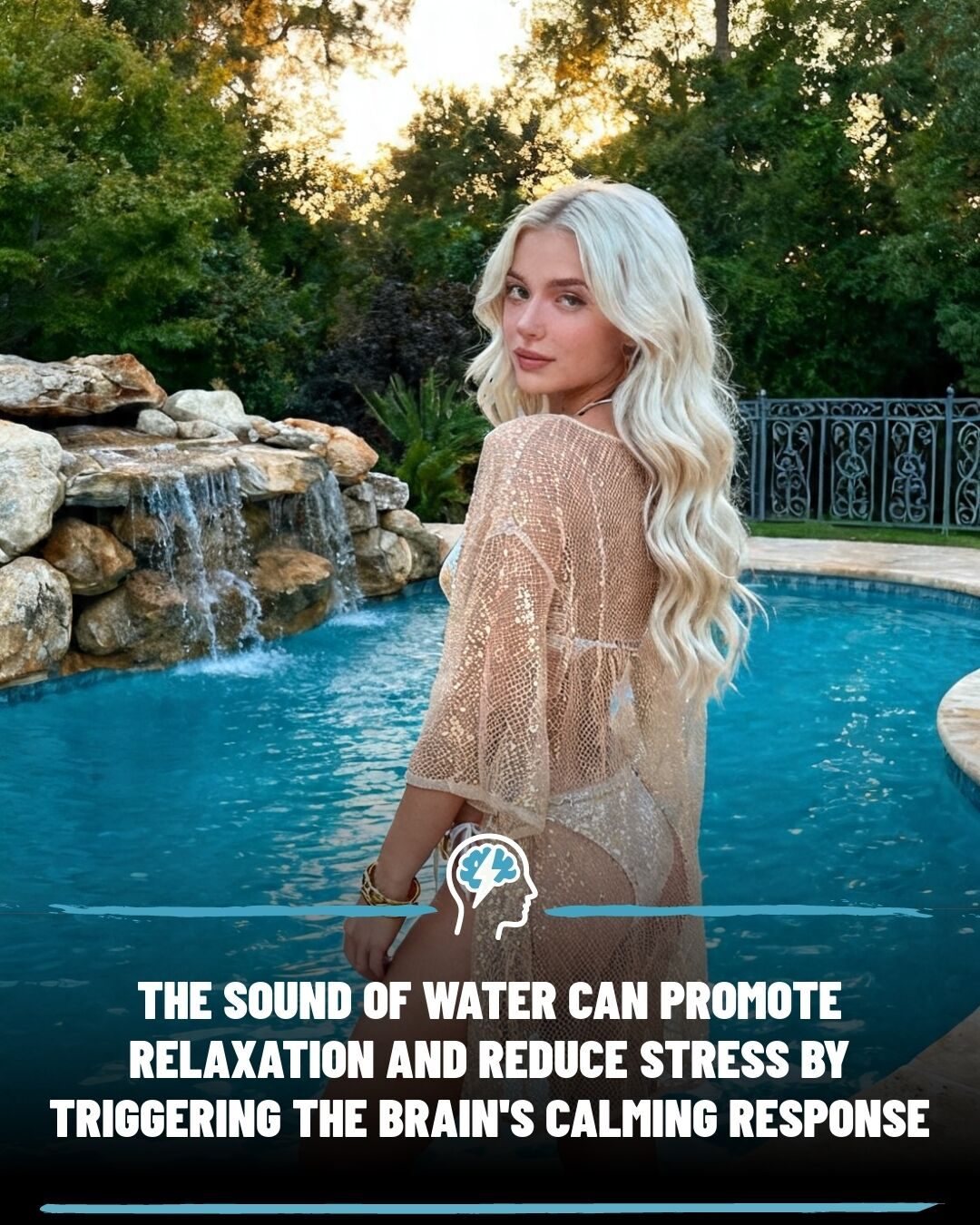
The Calming Power of Water Sounds
Water sounds, such as the gentle lapping of ocean waves or the soothing patter of rain, have long been associated with a sense of tranquility. This isn't just a matter of personal preference; there's substantial research backing the idea that these sounds can promote relaxation and reduce stress. Understanding the science behind this phenomenon can help you harness the power of water sounds for your own well-being.
Why This Matters
In today's fast-paced world, stress and anxiety are common experiences. Finding effective ways to manage these feelings is crucial for maintaining both physical and mental health. Water sounds offer a simple, accessible tool for promoting relaxation and reducing stress. By integrating these sounds into your daily routine, you can support your nervous system and enhance your overall well-being.
The Science Behind Water Sounds
Brain Wave Patterns
When you listen to the sound of flowing water, rainfall, or ocean waves, your brain waves can shift from a busy beta state to more relaxed alpha and theta patterns. These patterns are the same ones associated with meditation and deep relaxation. This shift in brain waves is a key mechanism by which water sounds promote a state of calm.
The Role of Cortisol
Studies have shown that water sounds may lower cortisol, your body's primary stress hormone. By reducing cortisol levels, water sounds can help activate the parasympathetic nervous system, also known as the "rest and digest" mode. This mode naturally decreases heart rate and blood pressure, further contributing to a sense of relaxation.
Evolutionary Perspectives
Researchers believe that the calming effect of water sounds is rooted in our evolutionary history. Throughout human evolution, finding water meant safety and survival. Your nervous system may still respond to these sounds by releasing calming neurochemicals like dopamine and oxytocin, which further enhance the relaxation response.
Clinical Evidence
One study, for instance found that participants who listened to relaxing water sounds for just 15 minutes showed significantly increased theta and alpha brain waves, markers associated with relaxation. This clinical evidence supports the idea that water sounds can have a measurable impact on your brain's relaxation response.
Practical Tips for Incorporating Water Sounds
During Work
Incorporating water sounds into your work environment can help reduce stress and improve focus. Consider using a white noise machine or a sound app that plays water sounds. This can create a soothing background noise that promotes a calmer and more productive work environment.
During Meditation
Meditation is a powerful tool for reducing stress and promoting relaxation. Enhance your meditation practice by incorporating water sounds. Listen to recordings of ocean waves, rainfall, or flowing water during your meditation sessions to deepen your state of relaxation.
During Sleep
Creating a relaxing bedtime routine that includes water sounds can improve the quality of your sleep. Use a sound machine or a sleep app that plays calming water sounds to help you unwind and fall asleep more easily. This can also help reduce nighttime anxiety and promote deeper, more restful sleep.
Important Takeaways
Individual Variation
It's important to note that the effectiveness of water sounds can vary based on individual factors. If you're experiencing significant physical stress symptoms, you may see less benefit from water sounds alone. This is not a replacement for professional mental health support.
Complementary Tool
Water sounds are one tool among many that can support your overall well-being. They are most effective when used alongside other healthy practices, such as regular exercise, a balanced diet, and adequate sleep. Think of water sounds as a complementary tool that can enhance your existing well-being practices.
Conclusion
The calming power of water sounds is backed by substantial research and supported by our evolutionary history. By incorporating water sounds into your daily routine, you can promote relaxation, reduce stress, and support your overall well-being. Whether you're at work, meditating, or preparing for sleep, water sounds offer a simple and effective way to enhance your mental and physical health.
Watch the Reel
Questions readers ask
How exactly do water sounds help in reducing stress?
Water sounds work by inducing a sense of calm and tranquility. They can slow your heart rate, decrease blood pressure, and encourage slower, deeper breathing. This physiological response helps to counteract the body's natural stress response, promoting relaxation and reducing cortisol levels, a hormone associated with stress.
What types of water sounds are most effective for stress relief?
A variety of water sounds can be beneficial, including gentle rain, ocean waves, and flowing streams. The most effective sounds are typically those with a consistent, rhythmic pattern, as these can help to slow your breathing and heart rate, making them ideal for relaxation and stress reduction.
Can water sounds really help to improve my overall well-being?
Yes, water sounds can have a positive impact on your overall well-being. By promoting relaxation and reducing stress, they can help improve your mood, enhance sleep quality, and even boost your immune system. Incorporating water sounds into your daily routine can be a simple yet effective way to support your health.
How can I use water sounds for meditation or sleep?
To use water sounds for meditation, find a quiet place to sit comfortably and focus on the sound. Let it guide your breathing and help you achieve a state of calm. For sleep, play water sounds at a low volume throughout the night, using a sleep timer if necessary. This can help drown out distractions and create a soothing atmosphere conducive to restful sleep.
Is there scientific research supporting the benefits of water sounds for stress relief?
Yes, there is substantial research indicating that water sounds can promote relaxation and reduce stress. Studies have shown that these sounds can lower cortisol levels, slow heart rate, and decrease blood pressure, all of which contribute to a sense of calm and improved well-being.
Can water sounds help with anxiety?
Indeed, water sounds can be beneficial for managing anxiety. The rhythmic and soothing nature of these sounds can help shift your focus away from anxious thoughts, promoting a sense of calm. By slowing your heart rate and encouraging deeper breathing, water sounds can counteract the physiological symptoms of anxiety.
How can I integrate water sounds into my daily routine for stress relief?
You can integrate water sounds into your daily routine by playing them softly during work, using a sound machine at night, or listening to them during relaxation exercises. Apps and online platforms offer a variety of water sound options, making it easy to find a sound that resonates with you and fits into your daily schedule.
Related deep dives
Similar reads based on topic and creator.



Recent articles
Fresh deep dives from the latest Reels we unpacked.




Comments
Be the first to comment.