Depression Treatment: The Role of Exercise
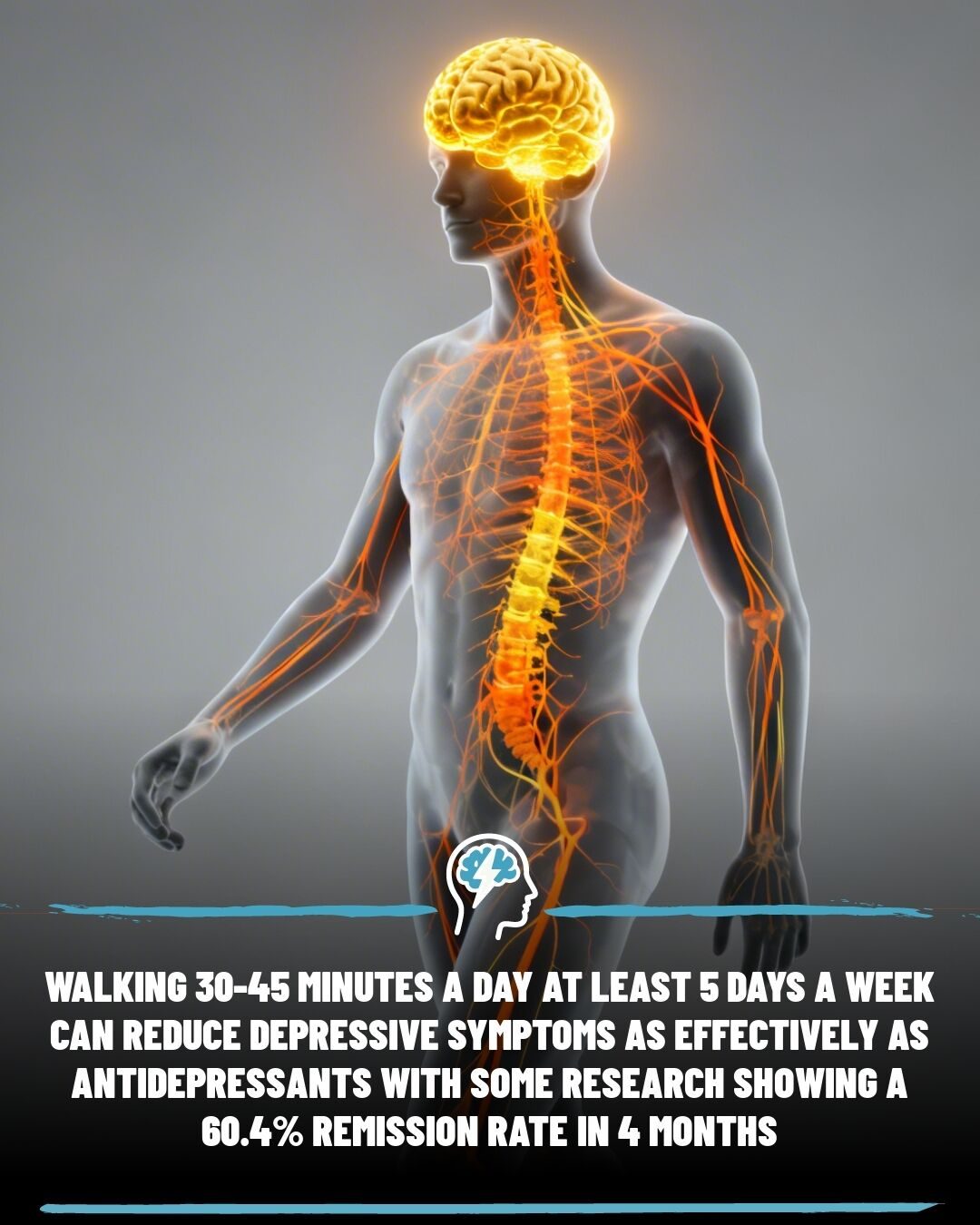
Exercise and mental health are closely intertwined, and recent research has shed light on the potential benefits of physical activity as a complement to traditional depression treatments. Walking, in particular, has gained attention for its ability to reduce depressive symptoms. Studies suggest that walking for 30-45 minutes, at least 5 days a week, can be as effective as antidepressants, showing a remission rate of up to 60.4% in four months. This makes walking a notable component in managing depression, but it’s essential to understand the nuances and broader context of how exercise supports mental health.
Why This Matters
Depression affects millions of people worldwide, impacting daily life and overall well-being. Traditional treatments, such as antidepressants and therapy, are effective for many, but they are not universally successful. Some individuals may not respond well to medication or may experience unwanted side effects. Physical activity, particularly walking, offers an accessible and low-cost alternative that can complement existing treatments. Understanding how exercise affects the brain and its potential as a supportive treatment can provide valuable insights for those seeking additional ways to manage their mental health.
Exercise and Depression: The Research
A major Cochrane review of 73 randomized controlled trials found that exercise, including walking, jogging, yoga, and strength training, produced similar effects to antidepressant medication in reducing depressive symptoms. This review underscores the potential of exercise as a viable treatment option. The studies included in the review highlighted that engaging in 3-4 sessions of exercise per week, lasting 30-60 minutes each, for at least 6 weeks, may offer the most significant benefits. This regimen not only supports mental health but also has the added benefit of improving overall physical fitness and cardiovascular health.
Walking: A Simple Yet Effective Treatment
Walking, one of the most accessible forms of exercise, has been shown to be particularly effective in reducing depressive symptoms. The simplicity of walking makes it an ideal choice for many, as it requires no special equipment or training. A consistent walking routine, such as 30-45 minutes a day, 5 days a week, can lead to significant improvements in mental health. Research has shown a 60.4% remission rate in individuals who followed this regimen for four months, emphasizing the power of regular walking in managing depression.
Mechanism Behind Exercise’s Benefits
Exercise, including walking, triggers the release of neurotrophic growth factors, which are proteins that support brain cell health. These factors are particularly active in the hippocampus, a region of the brain that plays a crucial role in regulating mood. By enhancing the health and function of the hippocampus, exercise can help alleviate depressive symptoms.
High-intensity exercises, such as running or strength training, release endorphins, which create what is often referred to as the "runner's high." This euphoric feeling can contribute to an overall improvement in mood and well-being. While both moderate and high-intensity exercises offer benefits, it’s essential to choose an exercise routine that fits one’s lifestyle and physical capabilities.
Exercise Alone May Not Be Enough
While exercise can be a powerful tool in managing depression, it may not be adequate for severe cases. For some individuals, exercise alone may not provide sufficient relief, and a combination of treatments, including medication and therapy, may be necessary. It’s important to recognize that results can vary significantly from person to person, and what works for one individual may not work for another.
Exercise works well for some, but it’s not a one-size-fits-all solution. If you’re considering exercise as a part of your mental health treatment, it’s crucial to consult with a healthcare provider to ensure that it complements your existing treatment plan effectively.
Practical Tips for Incorporating Exercise into Your Routine
Start Slowly
If you’re new to exercise or have been inactive for a while, it’s essential to start slowly and gradually increase the intensity and duration of your workouts. Aim for 15-20 minutes of walking or other low-impact activities a few times a week, and build up from there.
Find Activities You Enjoy
Choosing activities that you enjoy can make exercise more sustainable. Whether it’s walking, jogging, yoga, or strength training, find something that you look forward to and can stick with in the long term. When you enjoy your exercise routine, you’re more likely to maintain it consistently.
Set Realistic Goals
Setting realistic goals can help you stay motivated and track your progress. Start with achievable targets, such as walking 30 minutes a day, 3 days a week, and gradually increase the frequency and duration as you become more comfortable with your routine.
Important Takeaways
Exercise, particularly walking, can be an effective complement to traditional treatments for depression. While it may not be a cure-all, it offers a low-cost, accessible option that can significantly improve mental health. Walking for 30-45 minutes, 5 days a week, can lead to a remission rate of 60.4% in four months, making it a powerful addition to any mental health toolkit.
Exercise as a Complement, Not a Replacement
While exercise can be a valuable part of your mental health journey, it’s important to view it as a complement to other treatments rather than a replacement. For severe depression, a combination of medication, therapy, and exercise may be necessary to achieve the best results. Always consult with a healthcare provider before making any significant changes to your treatment plan.
Conclusion
Physical activity, such as walking, has been shown to have a profound impact on mental health. It can reduce depressive symptoms, support brain health, and complement traditional treatments. For those exploring exercise as a part of their mental health support, a consistent routine of 3-4 sessions per week, lasting 30-60 minutes, is recommended. Walking for 30-45 minutes, 5 days a week, can be as effective as antidepressants, with a 60.4% remission rate in 4 months. Always consult with a healthcare provider to ensure that exercise is incorporated safely and effectively into your treatment plan.
Watch the Reel
Questions readers ask
How often and for how long should I walk to help reduce depressive symptoms?
To potentially reduce depressive symptoms, aim for 30-45 minutes of walking, 5 days a week. This duration and frequency have been shown to be effective in clinical studies.
Can walking really be as effective as antidepressants?
Yes, studies have shown that walking for 30-45 minutes, at least 5 days a week, can be as effective as antidepressants, with a remission rate of up to 60.4% in four months.
What are some mental health benefits of walking?
Walking can help improve mood, reduce symptoms of depression, and support overall well-being. It can also improve self-esteem, and provide a sense of accomplishment.
How does exercise help in managing depression?
Exercise, such as walking, helps manage depression by increasing the production of endorphins, which improve mood, and reducing stress hormones, like cortisol and adrenaline.
Can walking be a standalone treatment for depression?
While walking can significantly help reduce depressive symptoms, it is often best used as a complement to traditional treatments, such as therapy or medication.
What if I find it hard to walk for 30-45 minutes at a time, Can I break it up into smaller walks?
If 30-45 minutes seems daunting, you can break it up into smaller walks. For example, three 15-minute walks or four 10-minute walks, spread throughout the day, can also be beneficial.
Recent articles
Fresh deep dives from the latest Reels we unpacked.




Comments
Be the first to comment.