Volvo's Pedestrian Detection Technology
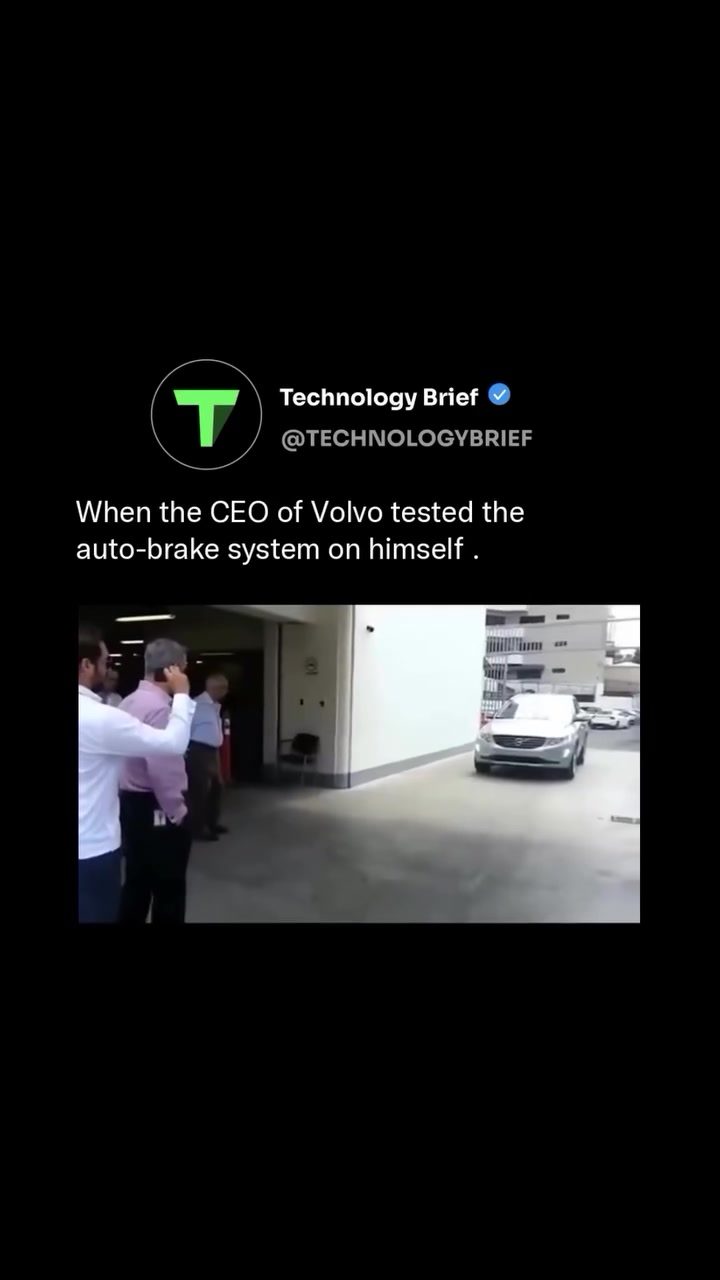
The recent incident involving a Volvo SUV and a person during a car demonstration in the Dominican Republic has sparked significant misinformation and confusion. The incident, widely misidentified as a CEO testing the auto-brake system, provides an opportunity to delve into Volvo's pedestrian detection technology and the auto-brake system.
Context / Why this matters
Understanding the capabilities and limitations of advanced driver-assistance systems (ADAS) is crucial for both manufacturers and consumers. Volvo's pedestrian detection technology and auto-brake system are designed to enhance safety, but their optional nature and specific conditions for activation require careful consideration.
Main discussion
The Incident
The incident in question involved a Volvo SUV demonstrating its auto-brake system. The person struck by the SUV was not the CEO, as widely misreported. Instead, it was a showroom demo in the Dominican Republic. Volvo clarified that the pedestrian detection system, an optional feature, was not installed on the vehicle used in the demonstration. Additionally, the system is designed to disengage when the driver presses the accelerator firmly, ensuring it does not override the driver's input. This means the auto-brake would not have activated even if the feature had been installed.
Volvo's Pedestrian Detection Technology
Volvo's pedestrian detection technology is a sophisticated system designed to enhance safety on the road. This technology uses a combination of sensors, including cameras and radar, to detect pedestrians in the car's path. When a potential collision is imminent and the driver does not react in time, the system automatically applies the brakes to help prevent or mitigate the impact.
Auto-Brake System
The auto-brake system works in conjunction with the pedestrian detection technology. When the system detects an obstacle—such as a pedestrian—it can apply the brakes to avoid a collision or reduce its severity. However, the system is designed to disengage when the driver presses the accelerator firmly, ensuring that the driver maintains control over the vehicle.
Limitations and Conditions
It is important to note that while these technologies are designed to enhance safety, they are not foolproof. Like any technology, they have limitations. The pedestrian detection system relies on sensors and algorithms to detect obstacles, and its effectiveness can be affected by various factors such as weather conditions, visibility, and the behavior of pedestrians. Additionally, the system is an optional feature, meaning it may not be installed on all Volvo vehicles.
Practical tips
-
Understand the Technology: Familiarize yourself with the advanced safety features available in your vehicle. Understanding how these systems work can help you make informed decisions about your safety and the safety of others on the road.
-
Check Your Vehicle's Specifications: If you are considering a vehicle with advanced safety features, make sure to verify that these features are included in the model you are purchasing. Not all vehicles come equipped with optional safety features.
-
Maintain Safe Driving Habits: While advanced safety features can enhance your driving experience, they should not replace safe driving habits. Always remain alert and attentive while driving, and be prepared to take control of the vehicle when necessary.
-
Regular Maintenance: Ensure that your vehicle's sensors and systems are regularly maintained and functioning properly. This can help maximize the effectiveness of advanced safety features.
-
Stay Informed: Stay up-to-date with the latest information and developments in vehicle safety technology. Manufacturers frequently update their systems and features, and staying informed can help you make the most of these advancements.
Important takeaways
- Optional Features: Volvo's pedestrian detection system and auto-brake system are optional features. It is essential to verify that these features are included in your vehicle.
- Driver Control: The auto-brake system is designed to disengage when the driver presses the accelerator firmly, ensuring that the driver maintains control over the vehicle.
- Limited Effectiveness: The effectiveness of these systems can be affected by various factors, including weather conditions, visibility, and the behavior of pedestrians.
- Stay Informed: Regularly update your knowledge about advanced safety features and maintain your vehicle to ensure that these systems function properly.
Conclusion
Understanding the capabilities and limitations of Volvo's pedestrian detection technology and auto-brake system is crucial for both manufacturers and consumers. While these systems are designed to enhance safety, they are not foolproof and have specific conditions for activation. By staying informed and maintaining safe driving habits, you can make the most of the advanced safety features available in modern vehicles.
Watch the Reel
Questions readers ask
What is Volvo's auto-brake system and how does it work?
Volvo's auto-brake system is a safety feature designed to help prevent or mitigate collisions. It uses sensors to detect obstacles in the vehicle's path and can automatically apply the brakes when necessary. The system is part of Volvo's suite of driver assistance technologies aimed at enhancing overall car safety features.
What happened in the viral incident involving a Volvo SUV in the Dominican Republic?
The viral incident involved a Volvo SUV and a person during a car demonstration in the Dominican Republic. Contrary to misinformation, it was not a CEO testing the auto-brake system. The incident sparked confusion about the capabilities of Volvo's safety technologies, particularly the auto-brake system and pedestrian detection.
Are all Volvo vehicles equipped with the auto-brake system?
Not all Volvo vehicles come standard with the auto-brake system; it is an optional feature. The availability and functionality of the auto-brake system can vary depending on the specific model and trim level. It's important for consumers to check the specifications of the vehicle they are considering.
What conditions must be met for Volvo's auto-brake system to activate?
For Volvo's auto-brake system to activate, certain conditions must be met. The system relies on sensors to detect obstacles, and it functions best under specific driving conditions. Factors such as speed, visibility, and the presence of other vehicles can impact its performance.
How does Volvo's pedestrian detection technology work?
Volvo's pedestrian detection technology uses cameras and radar sensors to identify people in the vehicle's path. When a potential collision is detected, the system can alert the driver and, if necessary, automatically apply the brakes to help prevent or reduce the severity of an impact.
What should I do if I want to ensure my Volvo has the auto-brake system?
If you want to ensure your Volvo has the auto-brake system, you should contact a Volvo dealership or check the vehicle's specifications online. When purchasing a new Volvo, you can often request the installation of this optional safety feature. For existing vehicles, you may be able to have the system retrofitted, depending on the model and availability.
Related deep dives
Similar reads based on topic and creator.




Recent articles
Fresh deep dives from the latest Reels we unpacked.




Comments
Be the first to comment.