A volcanic landscape is a stark reminder of nature's relentless power, as dangerous as that power can be. Molten lava can burst forth from the crust at thousands of degrees, burning and reshaping everything in its path. In contrast, lava hardens into rock, which solidifies, and becomes an earthen record of these volcanic episodes.
What is a Volcanic Landscape
A volcanic landscape is the surface manifestation of volcanic activity. It's the terrain formed by lava flows, ash, and other volcanic materials. While most people think of mountains erupting with lava, volcanic landscapes can include basalt plateaus, calderas, and even some volcanic rocks, which cover vast expanses of Earth What makes a volcanic landscape distinctive is the variety and extremes of volcanic landscapes. These landscapes can include steep, towering mountains, miles of volcanic rock, and vast stretches of lava that extend for miles. Scaling the heights of volcanoes or even descending into a lava tube, would require protective equipment to endure the extremes of heat and hostile terrain. The geologic sculpting of volcanic landscapes can be soft or violent: lava has the viscosity of honey or syrup, and it may flow smoothly like a river during an eruption, or it may be mostly solid and fall out like a rockslide.
A Surge of Interest in Rugged Terrain
A recent surge in interest in rugged terrain and natural extremes are reflected in the growing popularity of volcanic landscapes. These locations are not merely geologic marvels, but places to challenge one's survival skills and mental fortitude. The allure of lava flows and volcanic landscapes also stems from the connection to ancient cultures and folklore. This connection is enhanced by the stunning beauty and the sense of awe they evoke in viewers. The connection to ancient cultures and folklore is strong for a reason: ancient cultures saw volcanic activity as evidence of divine power, and volcanic landscapes hold stories of their gods. For example, the ancient Greeks believed that their god of the underworld, Hades, lived in a fiery realm, and an erupting volcano is a spot for those souls of the underworld.
The State of the Volcanic Environment
Volcanic Activity as a Source of Intense Heat
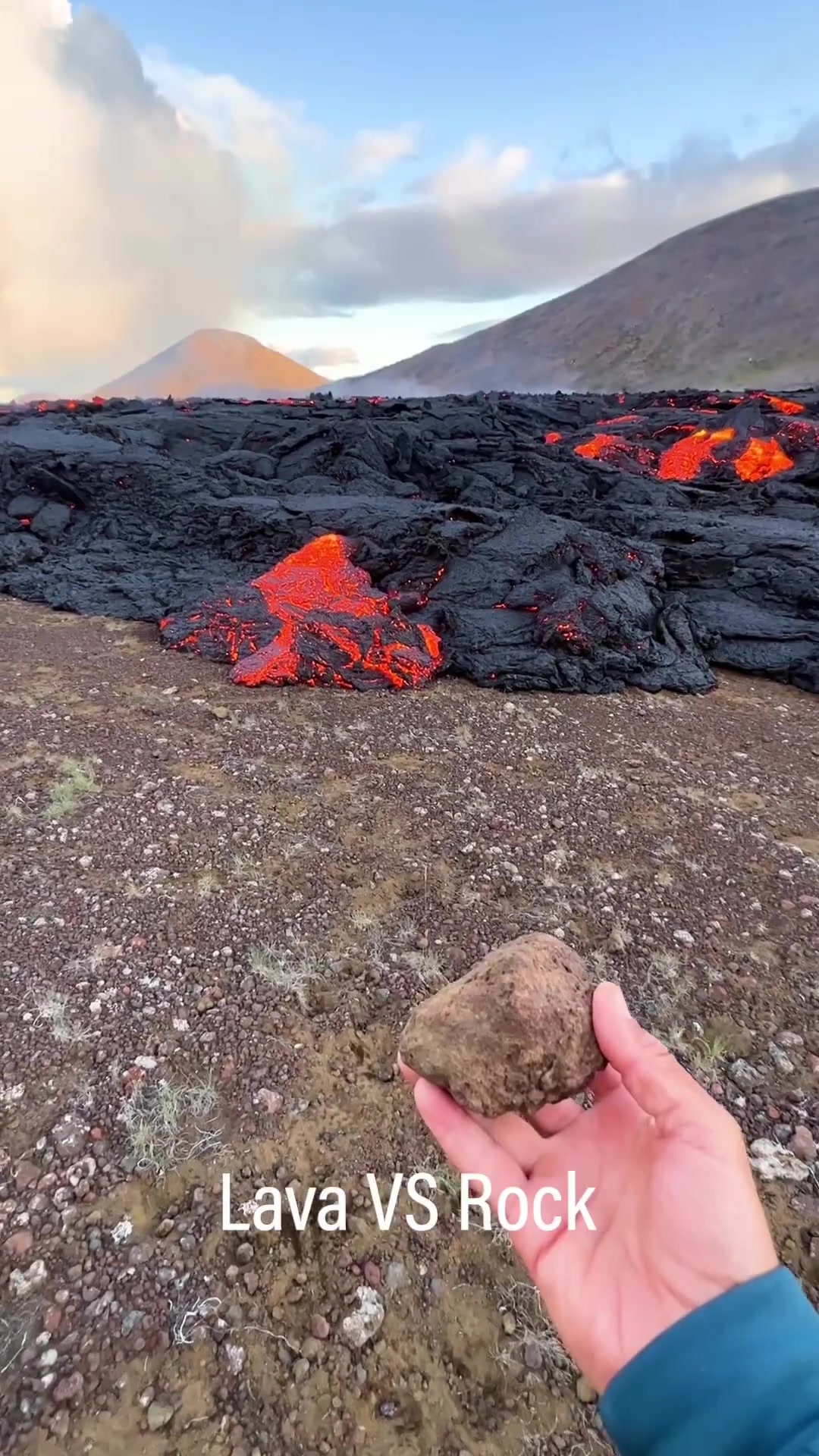
The video shows a person contrasting a sample of rock with molten lava to demonstrate the vast difference in temperature. Volcanic rock is primarily porous, with many small air pockets throughout. When volcanic rock is heated, its air pockets expand. In contrast, Lava flows out of a volcanic caldera at thousands of degrees, as opposed to the rock, which remains substantially cooler. But both are made of the same basic ingredients.
Rock and Lava as Landscape Agents
Rock and lava are distinctly different landscape agents. Lava is a molten liquid rock expelled by a volcanic eruption. It flows like a fluid, and results in layers of solidified lava that resemble waves, outcrops, and eventually mountains. However, lava flows are very slow moving, as compared to molten pyroclastic flows which often can exceed 200 to 400 kilometers per hour, and can travel for miles. Rock can be formed and refined in different ways, and has different properties. It can be sedimentary, igneous, or metamorphic, and can be formed by a different geological process, such as crystalline growths of minerals around solid rocks or sedimentary deposits formed from rock and other materials deposited by natural processes.
Comparing Volcanic Environments
The visuals in the video reveal a contrasting idea between solid rocks and flowing lava. This contrast is further evident on the landscapes. in an area like Iceland, where extensive lava flows are present, the terrain is marked by wide expanses of hardened lava. These rocks are rough and jagged and hold their shape, while the lava is constantly moving and reshaping the landscape. For example, a lava flow dries and is transformed into volcanic rock, while still hot lava resides in the middle of rock flows.
The Experience of a Volcanic Environment
As you might expect from something as dangerous as lava, the experience of exploring a volcanic environment can be intense, thrilling, and even life-threatening. This depends on how close you are to the active part of the volcano. The intense heat and gases can be extremely dangerous, and the terrain can be unstable and difficult to navigate. Due to this, many visitors choose to visit dormant or extinct volcanoes, which can still be dramatic and breathtaking, but are much safer. As an example, the experience of seeing a lava flow is one of awe and wonder, as the fiery liquid rolls down the side of a mountain, reshaping the landscape as it goes.
The Lava and Rock on View
The lumpy, malleable lava rocks contrast with the jagged monolithic rock on the sides. The difference is visible, solid lava loses a visible region of lava as it's allowed to air cool. This lake of lava is turned into a malleable mass, which eventually cools and turns into a more uniform, solid volcanic rock.
Actionable Guidance for Visiting Volcanic Landscapes
If you want to experience nature's raw power up close, a visit to a volcanic landscape is sure to deliver. But as with any adventure, preparation is crucial. Here's how to do it right:
- Choose the Right Destination: Opt for dormant or extinct volcanoes to avoid the risks of active ones. Places like Crater Lake in Oregon or the dormant volcanoes in Iceland offer stunning views and safer terrain.
- Research the Terrain: Understand the type of volcanic landscape you'll be visiting. Will you be hiking through lava fields, or exploring a caldera?
- Get the Right Gear: Sturdy hiking boots, protective clothing, and gear to monitor air quality and heat are essential. If the conditions are hot and gases are likely to be present, you may need an oxygen supply.
- Safety First: Always follow safety guidelines and stay on marked trails. Guided tours can provide expert insight into navigating these landscapes safely, and guide you through dark lava caves.
Exploring the Earth's Fire and Ash
These landscapes are also the evidence of immense geological forces at work. They are marked by lava flows, calderas, and other geologic phenomena that demonstrate the power and danger of the earth's inner fire. When lava reaches below boiling point temperatures of air, it solidifies as a rock. This demonstrates the earth's geometry of fire and ash, and the constant interplay of forces, as powerful as they are necessary to the creation and modification of our landscapes. If the video left you craving for a closer look, these places offer a direct experience to insulating magmas.
Watch the Reel
Questions readers ask
What exactly is the difference between lava and volcanic rock in a volcanic landscape?
Lava is molten rock that flows from a volcanic eruption, and it can reach thousands of degrees. Volcanic rock, on the other hand, is the solidified form of lava that has cooled down. While both are made of the same basic ingredients, the differences in their temperature and state (liquid vs. solid) make them distinct landscape agents.
How do these differences impact the terrain of a volcanic landscape?
Lava, being molten, can flow like a fluid and create unique landforms such as layers that resemble waves or outcrops. When it cools and solidifies into rock, it forms mountains and other structures. Additionally, lava flows are generally slow, while pyroclastic flows can be much faster and more destructive, shaping the landscape differently.
What would happen if I tried to touch molten lava?
It's not advisable to touch molten lava, as it can reach temperatures of thousands of degrees. Direct contact would result in severe burns or even death. Additionally, the extreme heat can cause the air pockets in nearby volcanic rock to expand, leading to further hazards. Protective equipment is essential for any interaction with volcanic landscapes, especially near active lava flows.
Are there any volcanic landscapes that are safe to explore without protective gear?
While some volcanic landscapes, such as those with cooled lava flows, can be explored without protective gear, it's crucial to be cautious. Even dormant or extinct volcanoes can have hidden hazards, such as unstable rock formations or toxic gases. Always check with local authorities or guides before venturing into any volcanic landscape.
Can you explain the connection between ancient cultures and volcanic landscapes?
Ancient cultures often saw volcanic activity as evidence of divine power. For example, the ancient Greeks believed that the god of the underworld, Hades, lived in a fiery realm. Volcanic landscapes were seen as places where the gods resided, and they hold stories and folklore from these ancient cultures.
What are the different types of volcanic landscapes?
Volcanic landscapes can include a variety of terrains, such as mountains, miles of volcanic rock, and vast stretches of lava. They can also include basalt plateaus, calderas, and lava tubes. Each of these landscapes offers a unique experience and set of challenges for exploration.
Related deep dives
Similar reads based on topic and creator.


Recent articles
Fresh deep dives from the latest Reels we unpacked.

Comments
Be the first to comment.