Rolling Traps: A Historical Look at Jungle Warfare Tactics
During the Vietnam War, hidden traps posed significant threats to U.S. soldiers navigating narrow jungle paths. These traps, designed to remain concealed until triggered, were a form of guerrilla warfare tactic aimed at disrupting enemy movements. One such trap, the rolling trap, is a mechanism worth exploring for its historical significance and engineering ingenuity.
Context / Why This Matters
Rolling traps were used extensively during conflicts in dense, forested terrains. Understanding these traps provides insight into the tactics and strategies employed during jungle warfare, offering a unique perspective on the unique challenges faced by soldiers in such environments.
The Rolling Trap Demonstration
The Mechanism
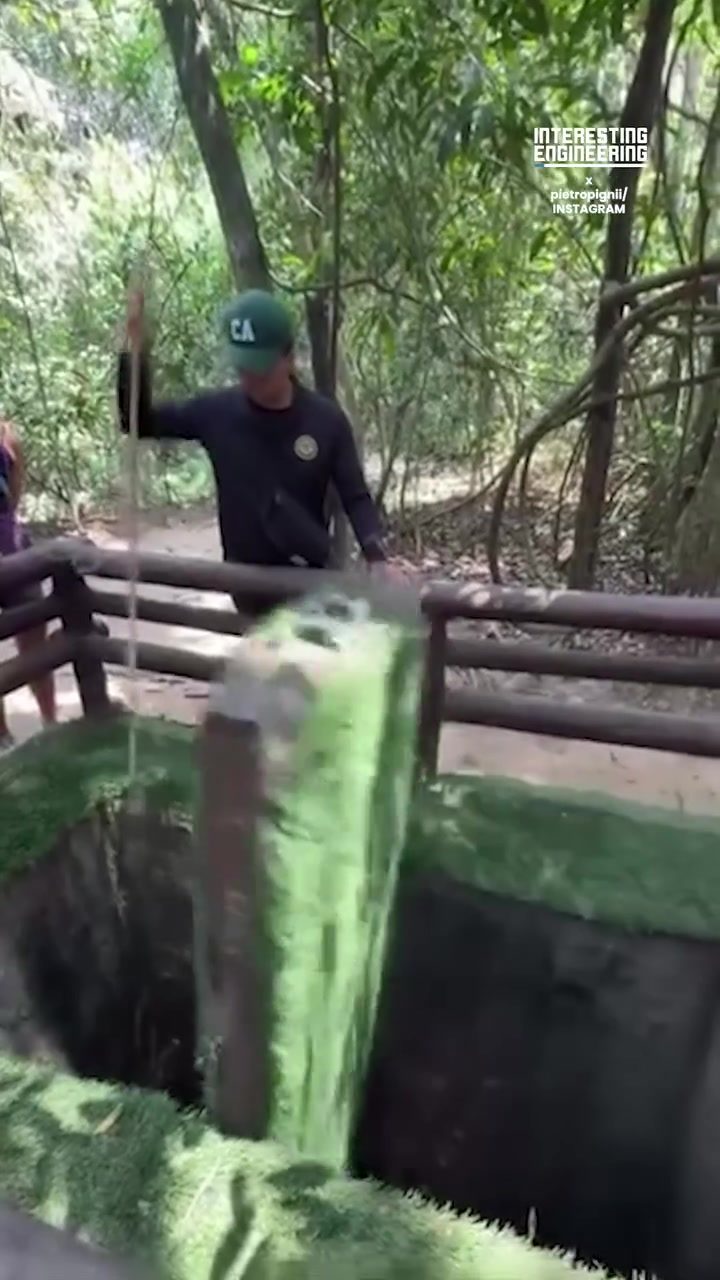
A rolling trap is a hidden mechanism designed to cause injury or incapacitate enemies moving through narrow paths. The trap typically consists of a weighted object or a series of logs balanced in such a way that any disturbance, especially human movement, triggers a rapid descent. The sudden fall of the weighted object onto a person can cause severe injuries or even death.
Historical Use
During the Vietnam War, these traps were often placed in strategic locations along known paths and trails. The rolling trap's effectiveness lay in its camouflage and the element of surprise. Soldiers would unwittingly step on or near the trap, triggering it and suffering the consequences. This tactic was a part of a broader set of guerilla warfare strategies designed to disrupt and demoralize the enemy.
Engineering Insights
The engineering behind these traps is both simple and effective. The mechanism relies on the principle of balance and gravity, making it a low-cost yet highly functional device. The trap's integration into the environment, such as within dense grass or foliage, adds to its stealthiness. The use of natural materials like logs and stones further camouflages the trap, making it nearly indistinguishable from its surroundings.
Practical Tips for Hiking in Treacherous Terrain
Staying Alert
One of the most critical tips for navigating areas known for such traps is to remain alert. While hiking or moving through such terrains, pay close attention to any signs of disturbance in the environment. Look for any unusual arrangement of natural materials or signs of tampering. The more attentive you are, the higher the chances of spotting a trap before it's too late.
Traversing Narrow Paths
When traversing narrow paths, it's essential to move cautiously. Avoid stepping directly on any suspicious-looking objects or areas. Use a stick or a pole to prod the ground ahead of you. If the material feels unstable or triggers any response, reconsider your path. Always try to stick to well-known or marked trails.
Group Dynamics
Traveling in groups can significantly enhance safety. When moving as a group, communicate with each other about any suspicious areas. Use teamwork to clear a path and take turns leading to avoid the risk of all individuals being exposed to the same potential traps. Group cohesion and shared awareness can mitigate the dangers posed by hidden traps.
Important Takeaways
The rolling trap is a testament to the ingenuity and adaptability of warfare tactics in varying environments. Its effectiveness in jungle warfare highlights the importance of understanding and respecting the terrain. For modern-day enthusiasts, the rolling trap serves as a reminder of the unseen dangers that can lurk in natural environments, underscoring the need for vigilance and caution.
The traps' simple yet effective design showcases the principles of engineering in creating mechanisms that leverage natural forces. Whether in historical contexts or modern survival applications, knowledge about these traps can prove invaluable.
Conclusion
Rolling traps offer a fascinating glimpse into the strategies and tactics used in historical conflicts, particularly in jungle warfare. These traps, designed to remain hidden until triggered, pose a significant threat and require heightened awareness and caution. Understanding the engineering behind these traps and the historical context of their use can provide valuable insights for both enthusiasts and professionals in the fields of engineering and survival. The rolling trap, while a remnant of a past conflict, serves as a reminder of the ingenuity and resilience of human strategies in adversity.
Watch the Reel
Questions readers ask
What were rolling traps and why were they used in the Vietnam War?
Rolling traps were concealed, gravity-powered mechanisms designed to cause injury or death. They were used extensively during the Vietnam War to disrupt enemy movements and protect territory, particularly in dense jungle areas. These traps were an essential part of guerrilla warfare tactics, providing a strategic advantage to those who set them.
How did rolling traps work?
Rolling traps utilized the force of gravity to create a deadly effect. When triggered, a weighted object or series of logs would suddenly fall, often from above, causing severe injury or death. The trap was designed to remain hidden until activated, making it a particularly insidious and effective weapon in jungle environments.
What made rolling traps effective in the Vietnam War's jungle terrains?
The dense foliage and narrow paths of the jungle provided an ideal environment for rolling traps. These traps could be easily concealed and were difficult to spot, making them a significant threat to soldiers navigating the area. The sudden and unexpected nature of these traps made them particularly effective in disrupting enemy movements.
What are some examples of rolling traps used in the Vietnam War?
One example of a rolling trap was a heavy log or rock placed at an unstable angle, ready to fall when disturbed. Another involved a series of logs or other weights stacked and ready to tumble down when triggered. These traps were designed to be simple yet effective, utilizing the natural environment to maximize their impact.
Who typically set up these traps, and what were their primary goals?
Rolling traps were typically set by guerrilla fighters or local militias. Their primary goals were to ambush and injure or kill enemy soldiers, disrupt supply lines, and control key areas. These traps served as a means of resistance and defense, allowing smaller, less-equipped forces to challenge larger, better-equipped armies.
How did soldiers try to avoid or counter rolling traps in the Vietnam War?
Soldiers were trained to be vigilant and look for signs of tampering or unusual configurations in the landscape. They often used probes or other tools to check for traps before proceeding. Additionally, patrols were used to clear paths and deter enemy movements, mitigating the risk posed by hidden traps.
What other types of traps were used alongside rolling traps in the Vietnam War?
Alongside rolling traps, other types of booby traps were commonly used, including punji pits (sharp stakes hidden in pits), tripwires connected to explosive devices, and other concealed mechanisms designed to cause injury or death. These traps were part of a broader strategy to make the jungle a hazardous environment for enemy forces.
Related deep dives
Similar reads based on topic and creator.

Recent articles
Fresh deep dives from the latest Reels we unpacked.




Comments
Be the first to comment.