Moringa Tree: The Multipurpose 'Miracle Tree'
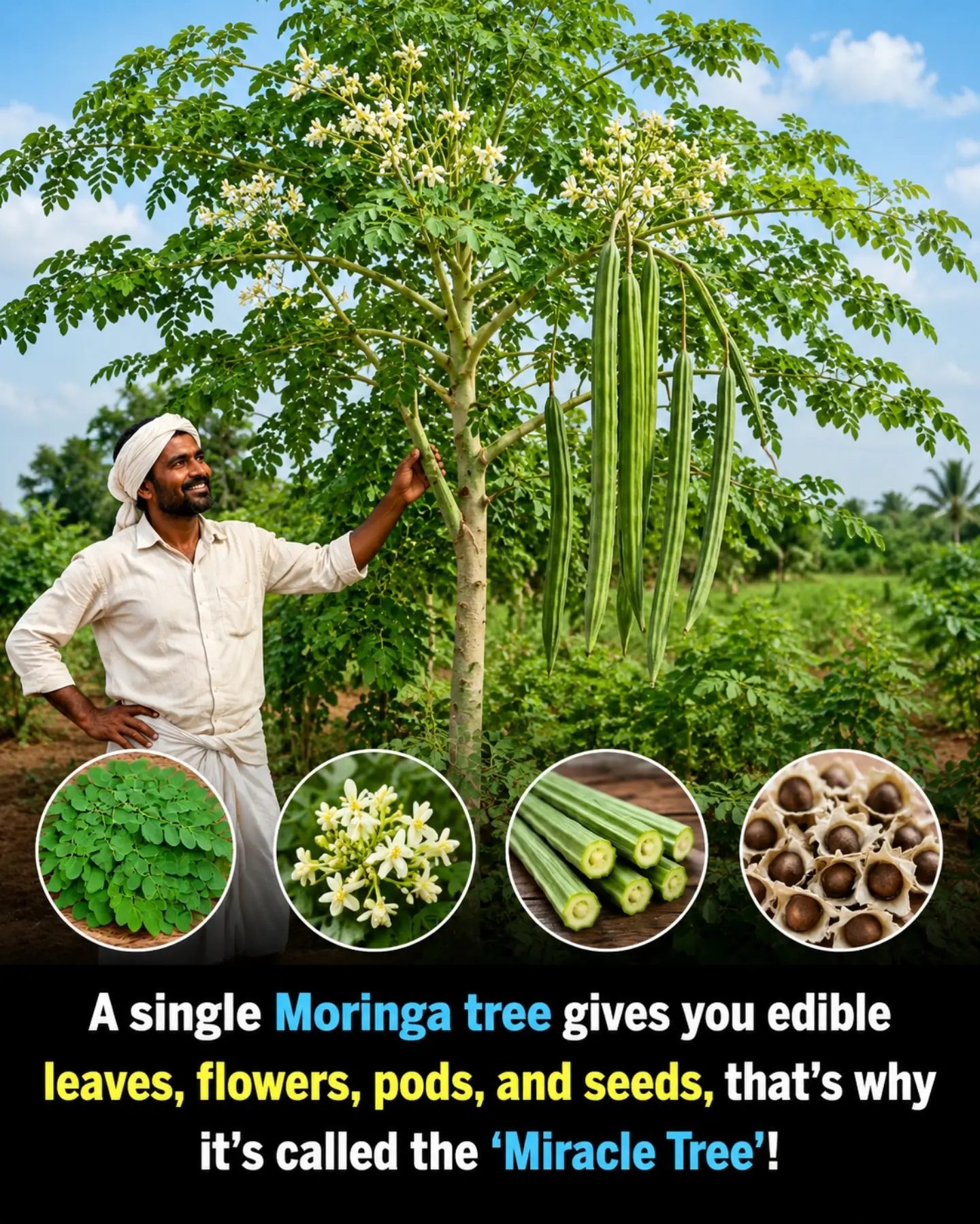
Moringa trees, known as the 'Miracle Tree', are renowned for their versatility and nutritional value. Each part of the tree—leaves, flowers, pods, and seeds—is edible, making it a valuable resource in various cultures around the world. This article delves into the benefits and uses of Moringa, along with practical tips for incorporating it into your diet and daily life.
Why This Matters
Understanding the benefits and uses of Moringa can significantly enhance your health and well-being. The tree is not only a sustainable source of nutrition but also a versatile ingredient in various culinary and medicinal applications. Whether you're looking to improve your diet, explore natural remedies, or support sustainable living, Moringa offers a wealth of possibilities.
The Multiple Parts of the Moringa Tree
Leaves
Moringa leaves are one of the most nutritious parts of the tree. They are rich in vitamins and minerals, including vitamin A, vitamin C, calcium, and iron. These leaves can be used in a variety of dishes, from salads and soups to smoothies and teas. Fresh Moringa leaves can be added to salads for a nutritious boost, while dried leaves can be powdered and used in smoothies or as a seasoning in cooking.
Flowers
Moringa flowers are not only edible but also have a delicate, slightly sweet flavor. They can be used in salads, stir-fries, or as a garnish for various dishes. In some cultures, Moringa flowers are used in traditional medicine to treat digestive issues and inflammation. These flowers can also be dried and used to make a soothing tea.
Pods
Moringa pods, also known as 'drumsticks,' are a versatile ingredient in many cuisines. They can be eaten raw, steamed, or cooked in curries and stews. The pods are rich in essential nutrients such as vitamin C, riboflavin, and iron. They have a mild, slightly sweet flavor and a crunchy texture, making them a great addition to salads and stir-fries.
Seeds
Moringa seeds are highly prized for their multiple uses. The seeds can be pressed to produce oil, which is rich in oleic acid and has a variety of culinary and cosmetic applications. The seed oil can be used for cooking, as a natural moisturizer, and even as a biofuel. Additionally, Moringa seeds have been found to have water purification properties, making them a valuable resource in areas with limited access to clean water.
Health Benefits of Moringa
Moringa is often celebrated for its numerous health benefits. The leaves, in particular, are a powerhouse of nutrients. They are rich in:
- Vitamin A: Essential for maintaining healthy vision, immune function, and cell growth.
- Vitamin C: Crucial for boosting the immune system, aiding in collagen production, and improving skin health.
- Calcium: Vital for bone health and muscle function.
- Iron: Necessary for the production of red blood cells and the prevention of anemia.
Moringa also contains antioxidants and anti-inflammatory compounds, which can help protect the body against oxidative stress and inflammation. These properties make Moringa a valuable addition to a balanced diet, especially for those looking to boost their nutrient intake naturally.
Practical Tips for Using Moringa
Incorporating Moringa into Your Diet
Moringa can be easily incorporated into your daily meals. Here are a few practical tips:
- Smoothies and Juices: Add a handful of fresh Moringa leaves or a teaspoon of Moringa powder to your morning smoothie or juice for a nutrient boost.
- Salads: Toss some fresh Moringa leaves into your salad for added crunch and nutrition. The leaves can be enjoyed raw or lightly steamed.
- Cooking: Use Moringa leaves, pods, and flowers in various dishes, from soups and curries to stir-fries and stews. The leaves can be added to dishes towards the end of cooking to retain their flavor and nutrients.
- Tea: Make a soothing Moringa tea by steeping the flowers or dried leaves in hot water. This tea can be enjoyed as a refreshing beverage or as a natural remedy for digestive issues.
Important Takeaways
Moringa is a versatile and nutritious plant that offers a range of benefits. From its edible leaves, flowers, pods, and seeds to its numerous health benefits, Moringa is a valuable addition to any diet or lifestyle. Whether you're looking to boost your nutrient intake, explore natural remedies, or support sustainable living, Moringa has something to offer.
Conclusion
Moringa, the 'Miracle Tree,' is a remarkable plant that offers a wealth of benefits. Its leaves, flowers, pods, and seeds are all edible and packed with nutrients, making it a valuable resource for health and well-being. By incorporating Moringa into your diet and daily life, you can enjoy its numerous benefits and contribute to a more sustainable future.
Watch the Reel
Questions readers ask
What are the primary benefits of consuming Moringa leaves?
Moringa leaves are packed with essential vitamins, minerals, and antioxidants. They are an excellent source of vitamins A, C, and E, as well as calcium and potassium. Incorporating Moringa leaves into your diet can support overall health, boost the immune system, and promote better digestion.
How can Moringa flowers be used in cooking?
Moringa flowers have a mild, slightly sweet flavor and can be used in various culinary dishes. They can be added to salads, stews, or soups for a nutritional boost. Additionally, they can be used to make herbal teas or as a garnish for beverages and desserts.
What are the benefits of using Moringa pods in the kitchen?
Moringa pods, also known as drumsticks, are highly nutritious and can be prepared in various ways. They can be cooked as a vegetable, added to curries, or used in soups and stews. Moringa pods are rich in vitamins and minerals, making them a great addition to a balanced diet.
Are there any medicinal uses for Moringa?
Moringa has been used traditionally for its medicinal properties. The leaves, flowers, and seeds can be used to make teas and tinctures that may help with various ailments, such as reducing inflammation, improving skin health, and aiding in digestion. However, it's important to consult with a healthcare professional before using Moringa for medicinal purposes.
How does the Moringa tree support sustainable living?
The Moringa tree is a sustainable resource because every part of it is usable. It grows quickly and requires minimal water, making it an eco-friendly choice. By utilizing Moringa, you can reduce waste and support a more sustainable lifestyle. Additionally, the tree can help with soil conservation and provides shade, making it beneficial for the environment.
What are some practical tips for incorporating Moringa into daily life?
You can incorporate Moringa into your diet by adding the leaves to smoothies, salads, or as a seasoning in cooking. Moringa flowers can be used in teas and desserts, while pods can be cooked as a vegetable. Additionally, Moringa powder can be added to baked goods or used in homemade beauty products for skin and hair care.
What nutrients are found in Moringa, and how do they support health and well-being?
Moringa is rich in vitamins A, B, and C, as well as minerals like calcium, potassium, and iron. These nutrients support various aspects of health, including immune function, bone health, and energy levels. Additionally, Moringa contains antioxidants that may help protect against disease and reduce inflammation in the body.
Related deep dives
Similar reads based on topic and creator.




Recent articles
Fresh deep dives from the latest Reels we unpacked.




Comments
Be the first to comment.