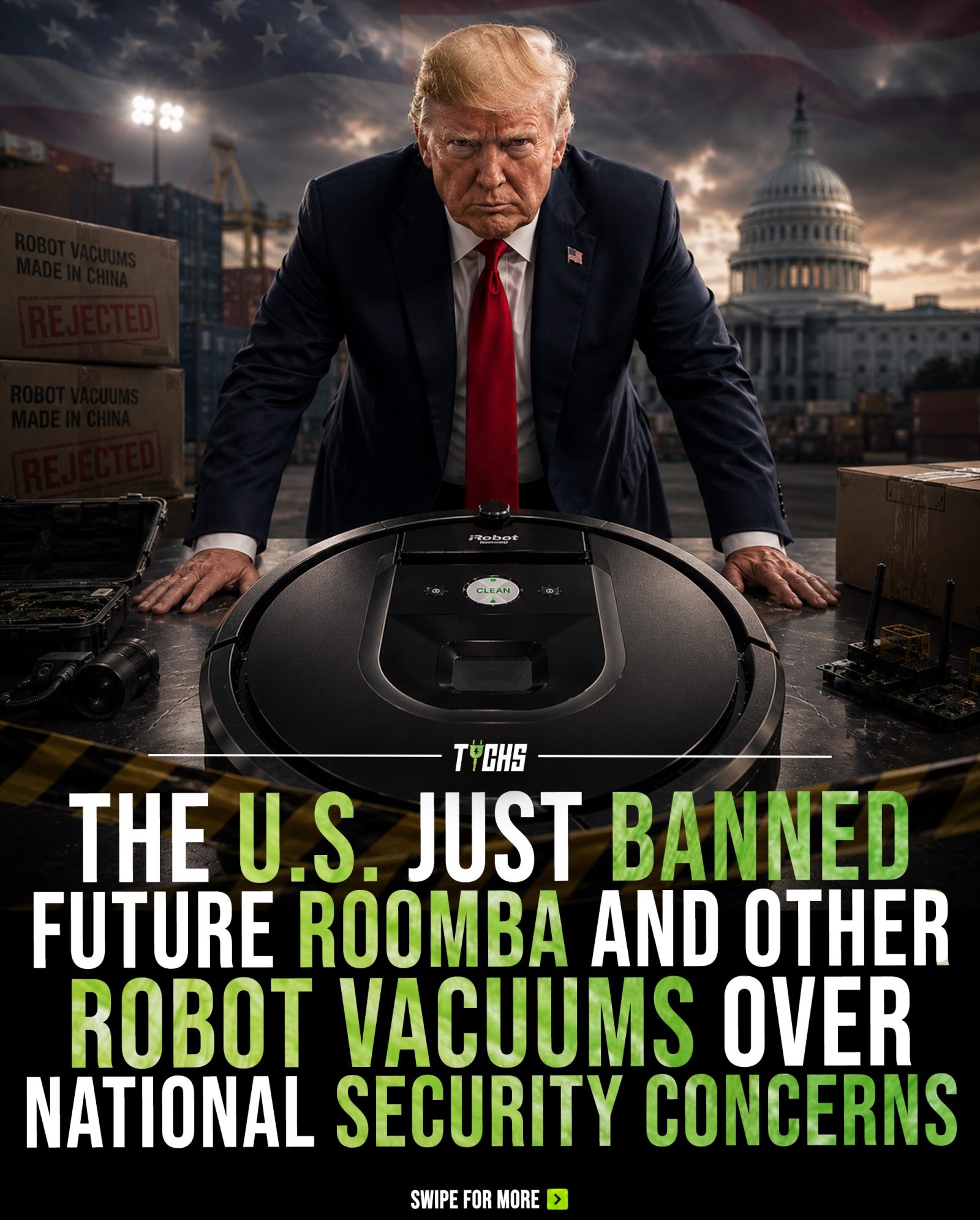
The U.S. Ban on Foreign-Made Robot Vacuums
The U.S. has recently implemented stricter restrictions on certain foreign-made robot vacuums. Specifically, the ban targets future models manufactured by companies deemed to pose national security concerns. This move is driven by worries about cybersecurity and the sensitive mapping data these devices collect within homes.
Why This Matters
Modern robot vacuums have evolved into sophisticated devices, integrating technologies like cameras, LiDAR, Wi-Fi connectivity, and AI-driven home mapping to navigate more efficiently. However, regulators argue that these advanced features could also create potential risks for cybersecurity and data privacy. The concern is that the data collected by these vacuums could be exploited, especially if the devices are manufactured by companies with ties to national security threats.
The Technology Behind the Ban
Robot vacuums use a combination of sensors and technologies to map out and clean homes effectively. Here are some of the key technologies that have raised concerns:
- Cameras: Many robot vacuums come equipped with cameras that help them avoid obstacles and navigate around furniture.
- LiDAR (Light Detection and Ranging): LiDAR technology creates detailed, 3D maps of indoor spaces, allowing the vacuums to orient themselves and plan their cleaning routes.
- Wi-Fi Connectivity: This enables users to control the vacuums remotely via smartphone apps, but it also opens up potential avenues for hacking.
- AI and Home Mapping: Advanced algorithms and machine learning help these devices learn and adapt to their environments over time, but they also collect a wealth of data about the layout and contents of users' homes.
The Impact on Consumers
Current robot vacuums in use will continue to function without interruption. The ban primarily affects future models, meaning consumers who already own these devices don't need to worry. However, the restrictions could have broader implications:
- Reduced Choices: The ban on foreign-made models may limit the variety of robot vacuums available to U.S. consumers.
- Potential Price Increases: With fewer options on the market, prices for the remaining models could rise, reflecting the reduced competition.
Practical Tips
The ban on future foreign-made robot vacuums means that consumers should consider the following:
- Invest in Current Models: If you're in the market for a robot vacuum, look into available models that are already in production. This way, you won't be affected by the upcoming restrictions.
- Check for U.S.-Made Alternatives: Look for manufacturers who produce robot vacuums in the U.S. or other approved locations. This could help ensure that your device complies with the new regulations.
- Consider Security Features: When choosing a robot vacuum, pay attention to security features like encryption, secure data storage, and regular firmware updates.
Important Takeaways
- The U.S. has banned future robot vacuums from certain foreign manufacturers due to national security concerns.
- Current robot vacuums will continue to operate normally.
- The ban is aimed at reducing potential cybersecurity and data privacy risks.
- Consumers should look into current models and U.S.-made alternatives to avoid being affected by the ban.
Conclusion
The U.S. ban on certain foreign-made robot vacuums is a significant development in the evolving landscape of smart home technology. As the digital world becomes more interconnected, so too do the risks associated with it. By tightening restrictions on these devices, the U.S. aims to protect the privacy and security of its citizens. Consumers should stay informed about the changing regulations and make decisions about their smart home devices accordingly.
Watch the Reel
Questions readers ask
Which countries are affected by the robot vacuum ban?
The U.S. has not explicitly named countries, but the restrictions are focused on foreign-made robot vacuums, particularly those from nations that are already subject to trade restrictions. Consumers are advised to check specific brands and models, depending on the latest U.S. regulatory guidelines.
What types of data do robot vacuums collect?
Robot vacuums collect a variety of data, including home layout maps, Wi-Fi network information, and sensor data from technologies like LiDAR and cameras. This data helps the devices navigate and clean efficiently, but it also raises privacy concerns.
What is iRobot and why is it mentioned in relation to cybersecurity?
iRobot is a prominent manufacturer of robot vacuums, including the Roomba line. The company has been under scrutiny due to its data collection practices and the potential cybersecurity risks associated with its devices, but there are no current restrictions on iRobot products.
How do LiDAR and Wi-Fi technologies in robot vacuums pose a risk?
LiDAR and Wi-Fi technologies in robot vacuums can create detailed maps of home interiors and connect to home networks. If exploited, this data could be used to gain unauthorized access to personal spaces, or sensitive information stored on local networks.
Are all robot vacuums subject to these restrictions?
No, the restrictions are specific to certain foreign-made models. The ban primarily targets future models from companies that pose potential national security concerns. Existing models and those from other manufacturers may not be affected.
What should consumers do if they already own a restricted robot vacuum?
Consumers who already own a restricted model can continue to use their devices. However, they should be aware of the potential cybersecurity risks and take steps to mitigate them, such as ensuring their home networks are secure and disabling any unnecessary data collection features.
Related deep dives
Similar reads based on topic and creator.




Recent articles
Fresh deep dives from the latest Reels we unpacked.




Comments
Be the first to comment.