US Immigration Policy Changes for International Students on F-1 and J-1 Visas
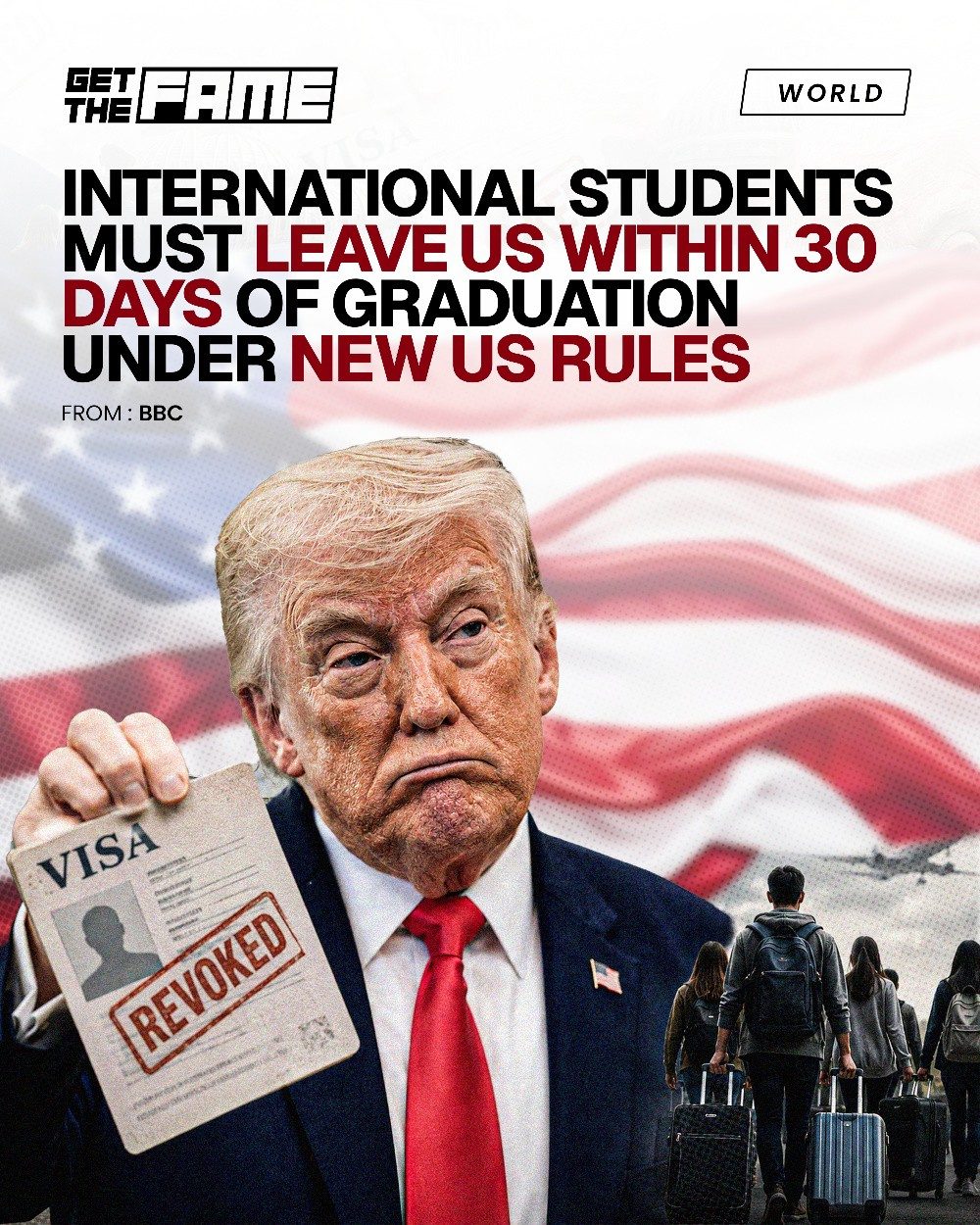
The Trump administration has finalized new rules that significantly impact international students on F-1 and J-1 visas. These changes, set to take effect in September, impose a maximum stay of four years in the US, restrict program transfers, and shorten the post-graduation grace period from 60 days to 30 days. The policy aims to prevent visa abuse and strengthen national security, but education groups have criticized it as unnecessary and potentially disruptive to students' academic and research pursuits.
Context: Why This Matters
These changes come at a critical time for international students, many of whom rely on the flexibility of their visas to complete their education and contribute to research in the US. The new rules have significant implications for those pursuing longer graduate and research degrees, as well as for those who may need to transfer programs or extend their stays for academic or personal reasons. Understanding these changes and their potential impact is crucial for prospective and current international students, as well as for educational institutions and researchers who work with them.
Main Discussion
New Duration Limits and Program Transfers
Under the new policy, international students on F-1 and J-1 visas will be limited to a maximum stay of four years in the US. This restriction applies to most students, with exceptions requiring federal approval for extensions. Additionally, the rules restrict program transfers, which could affect students who need to move between institutions or programs for academic or personal reasons.
In response, US officials have stated that these changes are aimed at preventing visa abuse and strengthening national security. However, education groups have voiced concerns over the potential disruption to students' academic and research pursuits, particularly for those in longer graduate and research programs.
Shortened Post-Graduation Grace Period
The post-graduation grace period, during which graduates can stay in the US to seek employment or transfer to a different visa status, has been shortened from 60 days to 30 days. This significant reduction could create uncertainty and pressure for international graduates as they navigate the job market and immigration processes.
Impact on Graduate and Research Degrees
International students pursuing longer graduate and research degrees are particularly affected by these changes. The new rules could create significant challenges for those who need more time to complete their studies or research, as well as for those who may need to extend their stays for personal or academic reasons. Educational institutions and researchers who work with these students are likely to feel the impact as well.
Early Reactions and Concerns
Education groups have expressed concerns over the potential impact of these changes on international students and their academic and research pursuits. They argue that the new rules are unnecessary and could create uncertainty for students, particularly those in longer graduate and research programs. While the policy is aimed at preventing visa abuse and strengthening national security, critics warn of the unintended consequences for the academic community.
Practical Tips for International Students
Understanding the New Rules
International students on F-1 and J-1 visas should familiarize themselves with the new duration limits, program transfer restrictions, and shortened post-graduation grace period. It's essential to stay informed about the specific requirements and potential exceptions for their individual situations.
Planning for Extensions
Students who may need to extend their stay beyond the new four-year limit should begin the process of seeking federal approval as soon as possible. Working with academic advisors and immigration lawyers can help navigate the complexities of the extension process.
Preparing for Program Transfers
With the new restrictions on program transfers, students should carefully consider their academic and personal plans. If a program transfer is necessary, it's important to understand the new requirements and seek guidance from academic advisors and immigration professionals.
Navigating the Post-Graduation Grace Period
Given the shortened grace period, international graduates should proactively plan their next steps. This includes preparing for job searches, networking, and exploring visa options. Working with career services and immigration advisors can provide valuable support during this transition.
Important Takeaways
The Changes Are Significant
The new rules represent a substantial shift in US immigration policy for international students. Understanding the specific changes and their potential impact is crucial for students, educational institutions, and researchers.
Opportunities for Advocacy
Education groups and advocacy organizations can play a vital role in supporting international students and raising awareness about the potential consequences of these changes. By engaging with policymakers, these groups can help shape future policies and ensure that the needs of international students are considered.
Need for Adaptation
International students and educational institutions will need to adapt to the new rules. This may involve seeking federal approval for extensions, navigating program transfer restrictions, and preparing for a shorter post-graduation grace period. Proactive planning and support will be essential for a smooth transition.
Conclusion
The new US immigration policy changes for international students on F-1 and J-1 visas introduce significant restrictions and requirements. By understanding these changes and their potential impact, students, educational institutions, and researchers can better navigate the new landscape and advocate for their needs. As the September implementation date approaches, staying informed and proactive will be key to successfully adapting to these new rules.
Watch the Reel
Questions readers ask
What is the maximum duration international students on F-1 and J-1 visas can now stay in the US?
The new US rules set a maximum stay of four years for international students on F-1 and J-1 visas. This change is significant for those enrolled in long-term programs, as they may need to complete their studies within this timeframe or seek alternative options.
How has the post-graduation grace period for international students changed?
The post-graduation grace period has been shortened from 60 days to 30 days. This means international students must secure employment or make other arrangements within a shorter timeframe after completing their studies.
Why has the US government implemented these changes to international student visas?
The Trump administration has introduced these changes to prevent visa abuse and strengthen national security. The new rules aim to tighten controls on visa extensions and transfers, ensuring that international students adhere to the terms of their visas.
How do these changes affect international students planning to transfer to another institution?
The new rules restrict the ability of international students to transfer to another institution. Students will have to carefully consider their plans, as transferring may no longer be a viable option if it extends their stay beyond the four-year limit.
When will these changes to international student visas take effect?
The new rules are set to take effect in September. International students planning their academic or research pursuits should be aware of these changes and plan accordingly to avoid any disruptions to their studies.
Related deep dives
Similar reads based on topic and creator.

Recent articles
Fresh deep dives from the latest Reels we unpacked.




Comments
Be the first to comment.