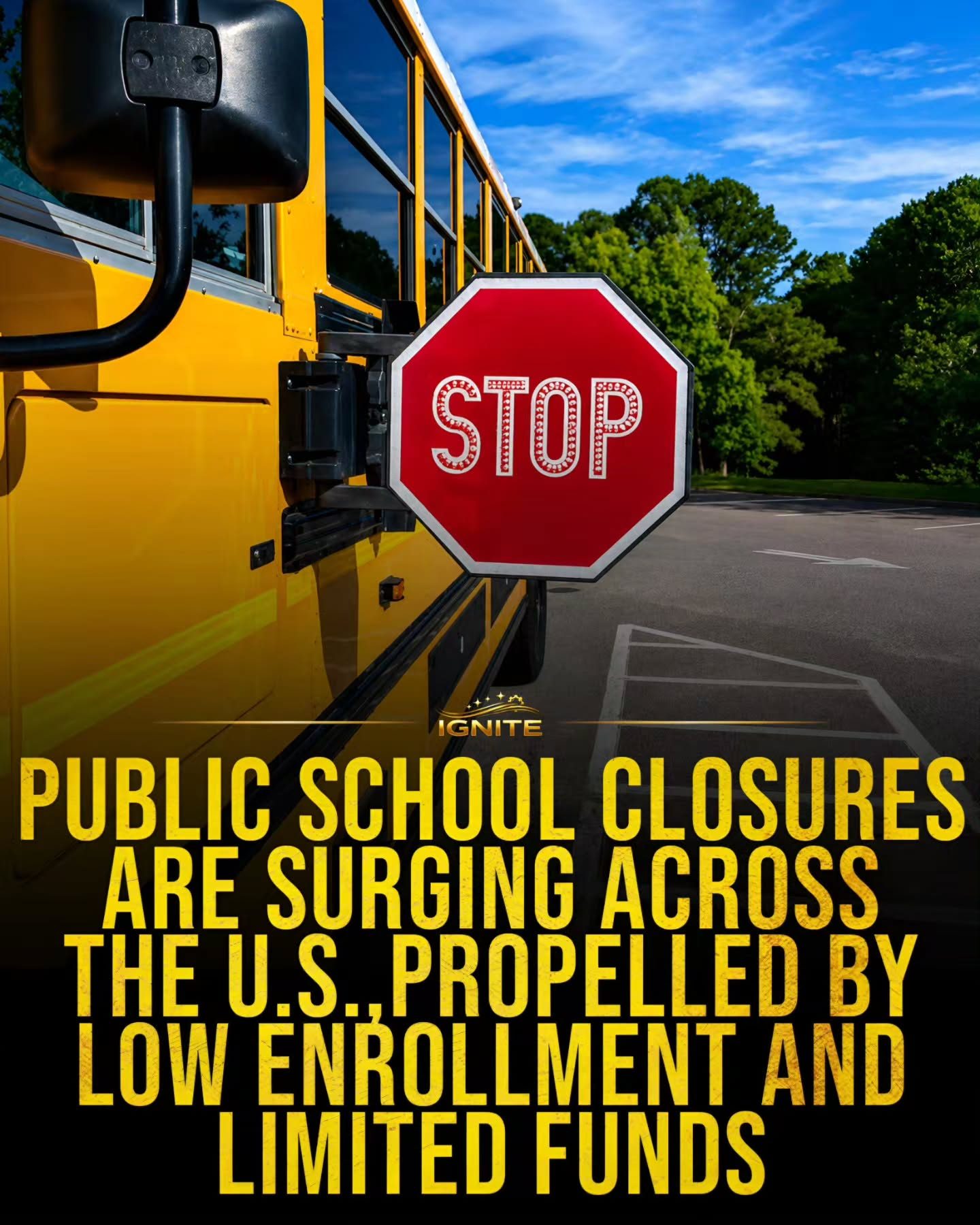
Public School Closures Across the U.S.
Public school closures are on the rise across the United States, driven by a combination of low enrollment and limited funding. This trend, marked by the increasing number of schools shutting down, is a significant issue that affects communities nationwide. Understanding the factors behind these closures and their impact on education is crucial for addressing this growing challenge.
Why This Matters
The closure of public schools has far-reaching implications for students, families, and communities. Schools are more than just educational institutions; they are community hubs that provide essential services and resources. When schools close, the loss extends beyond education to touch on social, economic, and emotional aspects of a community. Low enrollment and limited funds are not the only factors at play, but they are significant drivers of this trend.
The Impact of Low Enrollment
Low enrollment is a critical factor contributing to the closure of public schools. When fewer students enroll in a school, the per-student cost of running the institution increases. Schools rely on funding allocated based on student numbers, and a decline in enrollment means fewer resources to maintain operations. This financial strain can lead to budget cuts, reduced staff, and eventually, school closures.
Additionally, low enrollment can impact the quality of education. Classes may become smaller, which can be beneficial in some ways, but it also means fewer subject choices and extracurricular activities. Schools may struggle to offer a comprehensive educational experience, which can be detrimental to students' overall development.
The Role of Limited Funding
Limited funding is another significant factor in the closure of public schools. School districts often rely on a mix of state and local funding, property taxes, and federal grants. However, budget constraints and fluctuating revenue streams can make it challenging to sustain school operations. When funding is insufficient, schools may have to cut programs, staff, and resources, further exacerbating the problem of low enrollment.
Other Factors Contributing to School Closures
In addition to low enrollment and limited funding, other factors can also contribute to school closures. One such factor is the aging infrastructure of many public schools. Older buildings often require extensive maintenance and repairs, which can be costly. Districts with limited resources may find it challenging to keep up with these expenses, leading to the eventual closure of the school.
Another factor is the changing demographics of communities. Urban areas, in particular, may experience shifts in population density, leading to fewer students in certain districts. This can result in overcrowded schools in some areas and underutilized schools in others, prompting districts to consider closures as a way to redistribute resources.
Practical Tips for Addressing School Closures
While the trend of school closures is concerning, there are practical steps that can be taken to mitigate its impact:
-
Community Engagement: Engaging the community in discussions about school closures can help identify viable solutions. Parents, teachers, and local leaders can work together to find alternative funding sources or repurpose underutilized schools.
-
Repurposing Schools: Schools that are no longer viable as educational institutions can be repurposed for other community uses. This can include converting them into community centers, recreational facilities, or even housing, ensuring that the buildings continue to serve the community.
-
Early Intervention: Addressing low enrollment and funding issues early can prevent the need for school closures. Proactive strategies, such as targeted marketing campaigns and financial planning, can help maintain enrollment and secure funding.
-
Collaboration with Private Sector: Partnering with private organizations and businesses can provide additional resources and funding for schools. This collaboration can take various forms, such as public-private partnerships or corporate sponsorships.
Important Takeaways
Addressing the issue of public school closures requires a multifaceted approach. While low enrollment and limited funding are significant factors, they are not the only considerations. By understanding the broader context and implementing practical solutions, communities can work together to prevent further closures and ensure that students continue to receive a quality education.
Conclusion
The rising number of public school closures across the U.S. is a complex issue driven by various factors, including low enrollment and limited funding. This trend has significant implications for students, families, and communities. By taking proactive measures and collaborating with various stakeholders, it is possible to mitigate the impact of school closures and ensure that educational institutions continue to thrive.
Watch the Reel
Questions readers ask
What are the primary reasons for the increasing number of public school closures in the U.S.?
The primary reasons for the increasing number of public school closures in the U.S. are declining enrollment and insufficient funding. Many districts are struggling with fewer students, which leads to less funding, making it difficult to keep schools open.
How does school closure impact communities beyond just students?
School closures impact communities beyond just students by removing a vital community hub. Schools often provide essential services and resources, such as after-school programs, meal services, and community events, which can be lost when a school shuts down.
What are the trends in public school funding that contribute to closures?
Public school funding is increasingly tied to student enrollment. When enrollment decreases, funding also decreases. This creates a challenging environment for schools, especially in areas facing population loss or shifting demographics, ultimately leading to closures.
What are some of the effects of school closures on families?
School closures force families to seek out alternative schools, which can be far from home. This creates transportation issues, disrupts children's routines, and can affect parents' work schedules and causes significant stress for the entire family.
What are the signs that a school may be at risk of closing?
Signs that a school may be at risk of closing include a consistent decline in student enrollment over several years, budget cuts, and discussions about consolidating schools or redistricting in the area. Parents and community members may notice increased talk about these topics at school board meetings or in local news.
How do low enrollment numbers lead to school closures?
When a school's enrollment drops below a certain threshold, it becomes difficult for the district to justify keeping the school open. This is because fewer students mean less state and federal funding, making it financially impractical to maintain the school's operations.
Related deep dives
Similar reads based on topic and creator.


Recent articles
Fresh deep dives from the latest Reels we unpacked.




Comments
Be the first to comment.