Robot Vacuum Regulations: What You Need to Know
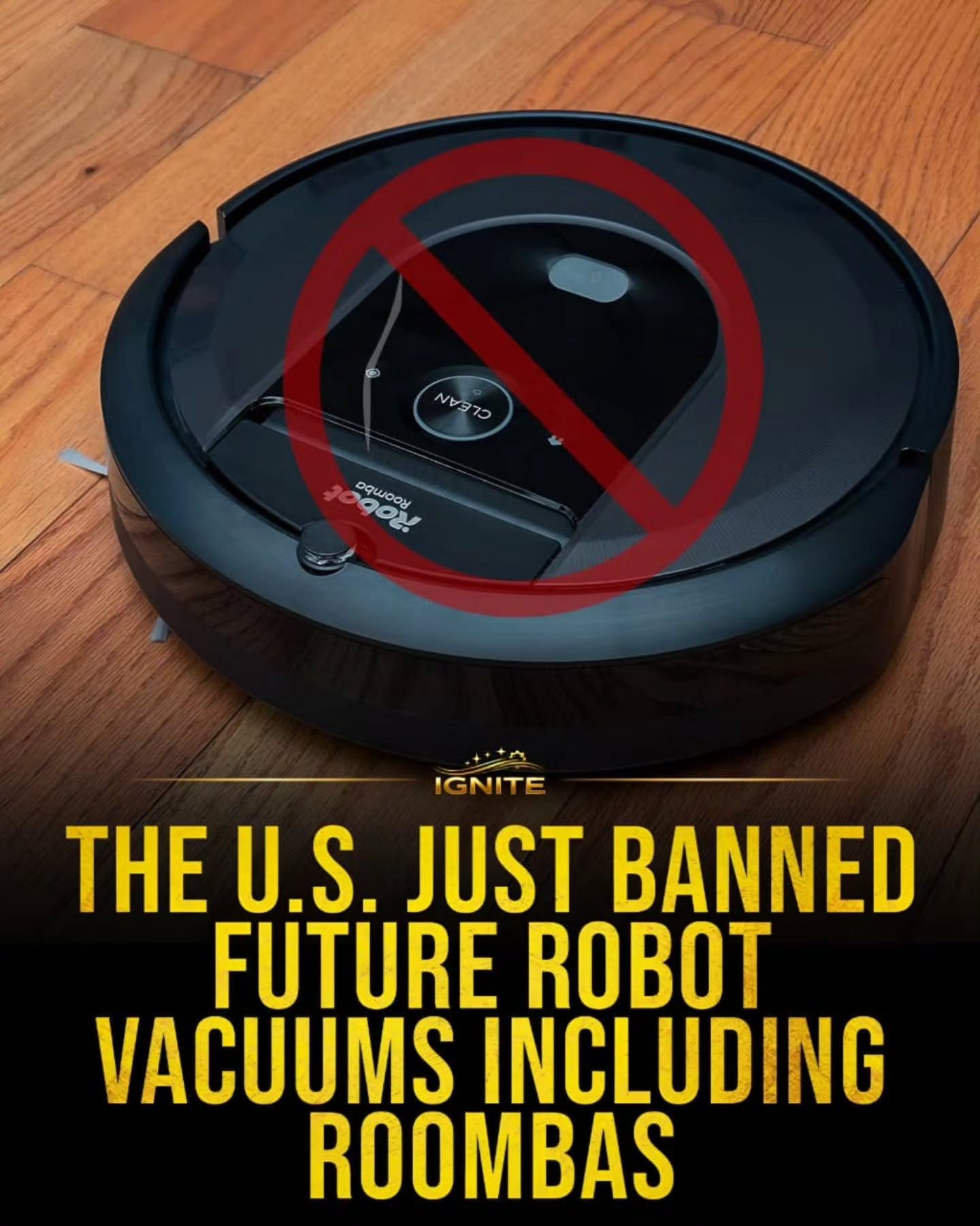
The U.S. Federal Communications Commission (FCC) has implemented new regulations that prohibit certain future foreign-made advanced robotic devices, including some next-generation robot vacuums, from entering the U.S. market. This decision is rooted in concerns about national security and cybersecurity, particularly regarding internet-connected robots equipped with cameras, sensors, and AI capabilities. Notably, the ban specifically targets models like the Roomba.
Context / Why This Matters
The FCC's move to restrict advanced robotic devices underscores the growing unease surrounding the potential security risks posed by smart home appliances. As technology advances, devices like robot vacuums are increasingly equipped with sophisticated sensors and AI, enabling them to navigate homes autonomously. While these features enhance convenience, they also raise important questions about data privacy and security.
Understanding the Ban
The new FCC rules are designed to address fears that such devices could be exploited for malicious purposes. The concern is that the cameras and sensors embedded in these robots could be used to gather unauthorized information about users and their homes.
Existing vs. Future Models
It's important to clarify that the ban only applies to future robot vacuums that have not yet received FCC approval. Existing models, including current Roomba vacuums, can still be imported, sold, and used without any restrictions. This means that consumers who already own or are planning to purchase a robot vacuum can continue to do so without interruption.
Exemptions and Waivers
Future robot vacuum models will generally require an exemption or waiver to enter the U.S. market. This process will likely involve stringent security assessments and certifications to ensure that the devices meet the necessary safety and security standards.
Impact on the Market
The ban is expected to have a significant impact on the robot vacuum market in the U.S. Manufacturers of these devices, especially those based overseas, will need to adapt their products to comply with the new regulations. This could lead to delays in the release of new models and potentially higher costs for consumers as companies invest in meeting the stricter security requirements.
Practical Tips for Consumers
As a consumer, navigating these new regulations can be confusing. Here are some practical tips to help you understand the implications and make informed decisions:
Check Model Compliance
If you're in the market for a new robot vacuum, it's crucial to check whether the model has already received FCC approval. This information can usually be found on the manufacturer's website or through the FCC's database.
Consider Existing Models
Given the current regulations, you might want to consider purchasing an existing model that has already been approved. These models will continue to be available and are not subject to the new restrictions.
Look for Security Features
When evaluating robot vacuums, pay close attention to the security features offered by the manufacturer. Look for models that have built-in security measures such as encrypted data transmission and secure data storage.
Important Takeaways
-
National Security Concerns: The FCC's decision is driven by legitimate concerns about the potential misuse of advanced robotic devices for espionage or cyber-attacks.
-
Future vs. Existing Models: The ban only affects future models that have not yet received FCC approval. Existing models remain unaffected.
-
Exemptions Available: Future models can still enter the market if they receive an exemption or waiver, subject to stringent security assessments.
-
Consumer Impact: Consumers may face delays and higher costs as manufacturers adapt to the new regulations.
Conclusion
The FCC's ban on certain future robot vacuums reflects a broader trend of tightening security measures around smart home devices. While it may introduce some challenges for manufacturers and consumers, it is ultimately aimed at protecting national security and individual privacy. As the technology continues to evolve, it is essential for both regulators and manufacturers to work together to ensure that these devices are safe and secure. By staying informed and taking proactive steps, consumers can continue to benefit from the convenience of robot vacuums while mitigating potential risks.
Watch the Reel
Questions readers ask
What specific models of robot vacuums are affected by the new FCC regulations?
The FCC's ban primarily targets advanced robot vacuums with sophisticated features such as cameras, sensors, and AI. Notably, this includes certain models from the Roomba brand. Specific models have not been named but future models with these features are likely impacted.
Why have robot vacuums been banned in the U.S.?
The ban is a result of national security and cybersecurity concerns. Advanced robot vacuums, with their ability to map homes and gather data, could potentially be used to collect unauthorized information about users and their living environments.
What role does the FCC play in these new restrictions?
The Federal Communications Commission (FCC) is the regulatory body that has implemented these new restrictions. Their goal is to protect national security and cybersecurity by preventing certain foreign-made, advanced robotic devices from entering the U.S. market.
What does the ban mean for consumers who already own these robot vacuums?
The ban does not affect consumers who already own these models. It is intended to prevent future models with similar capabilities from entering the U.S. market.
Are there alternatives to the banned robot vacuums?
Consumers may look for alternative robot vacuums that do not fall under the ban. This might include models without advanced features like cameras, extensive sensors, and high-level AI, or brands that are not affected by the new regulations.
Are there any exemptions or ways for companies to comply with the new regulations?
Companies may be able to bring products into the U.S. by modifying their designs to eliminate or mitigate the features that raise national security and cybersecurity concerns. However, specific guidelines from the FCC on compliance are not yet publicly detailed.
How might this ban impact the robot vacuum market in the future?
The ban could lead to a shift in the robot vacuum market, with manufacturers focusing on developing models that comply with the new regulations. Consumers may also see a change in the availability and features of robot vacuums.
Related deep dives
Similar reads based on topic and creator.




Recent articles
Fresh deep dives from the latest Reels we unpacked.




Comments
Be the first to comment.