Concrete Metropolis: The Urban Landscape of Hong Kong
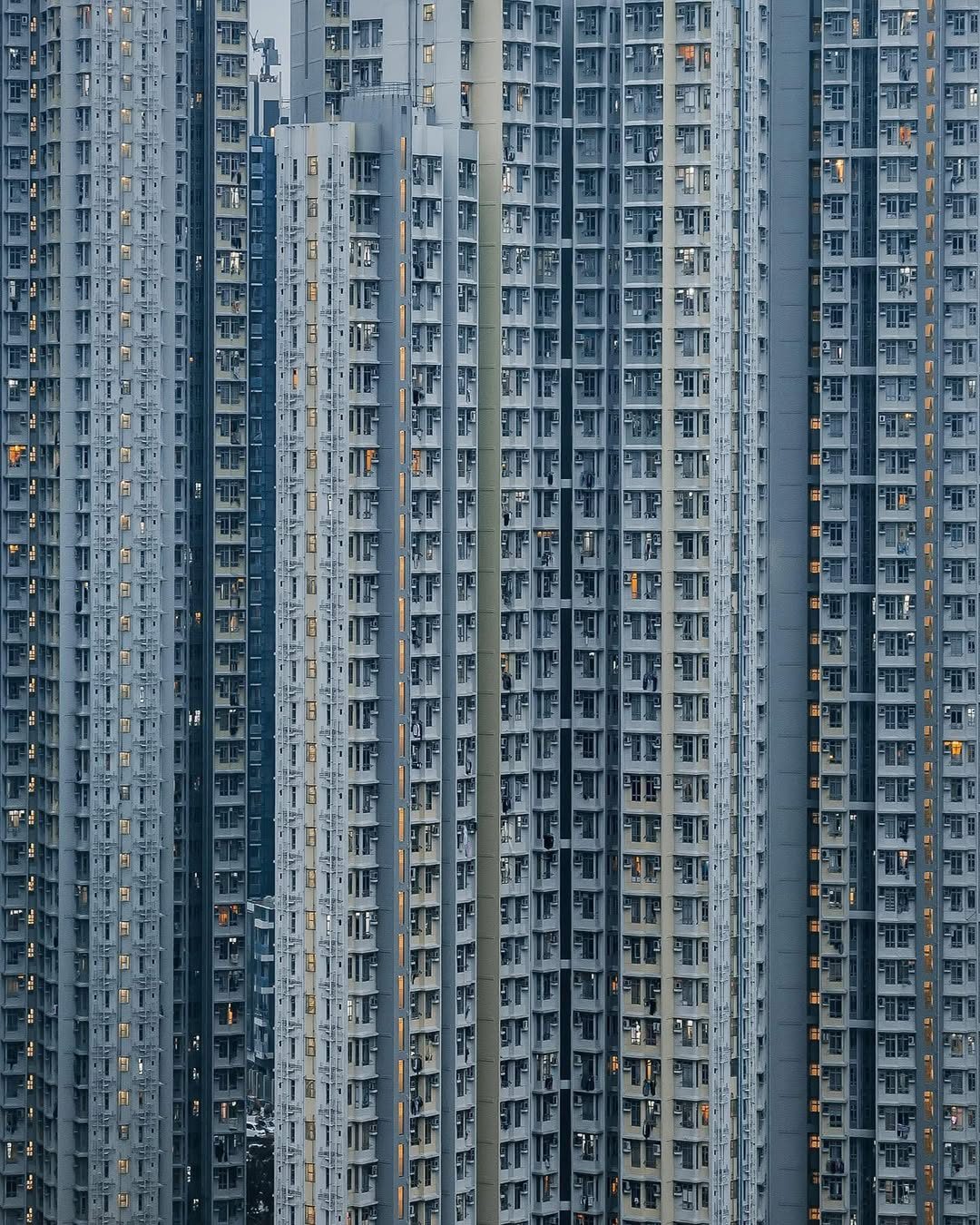
Hong Kong is renowned for its dense urban landscape, a concrete metropolis that stands as a testament to human ingenuity and architectural prowess. The city's high-rise apartment buildings are not just structures; they are a visual symphony of patterns created by windows and balconies. The dense urban environment of Hong Kong is striking, with buildings tightly packed together, creating a visually interesting pattern that is both awe-inspiring and thought-provoking.
Why This Matters
The urban landscape of Hong Kong is more than just a collection of buildings; it represents a unique way of life shaped by limited land and a burgeoning population. Understanding this landscape provides insights into how cities can accommodate rapid urbanization while maintaining a sense of community and urban charm. The repetitive architecture and the interplay of light and shadow add depth and atmosphere, making it a subject of interest for architects, urban planners, and photographers alike. The image highlights the density of urban living, showcasing how cities like Hong Kong manage to pack so much into a small area.
The Urban Landscape of Hong Kong
The Density of Urban Living
Hong Kong's urban landscape is characterized by its density. The buildings are tightly packed, creating a visually striking pattern of windows and balconies. This high density is a result of the city's limited land area and the need to accommodate a large population. The repetitive architecture, while sometimes seen as monotonous, creates a unique visual rhythm that is both fascinating and functional.
The Role of Lighting
The lighting in the urban landscape of Hong Kong plays a crucial role in enhancing its beauty. The strike of dusk or dawn, when some windows are illuminated, adds a layer of depth and atmosphere to the scene. This interplay of light and shadow creates a dynamic visual experience, transforming the concrete jungle into a vibrant and ever-changing canvas.
Practical Tips for Exploring Hong Kong's Urban Landscape
Best Times to Visit
For the best views of Hong Kong's urban landscape, consider visiting during dusk or dawn. The soft, warm lighting during these times adds a magical touch to the cityscape, making it an ideal time for photography. The contrast between the illuminated windows and the dark sky creates a visual spectacle that is hard to miss.
Must-See Spots
- Victoria Peak: Offering a panoramic view of the city, Victoria Peak is a must-visit spot for anyone interested in the urban landscape. The skyline from this vantage point is breathtaking, showcasing the city's density and the intricate pattern of its buildings.
- Tsim Sha Tsui Promenade: This waterfront area provides a stunning view of the Hong Kong Island skyline. The reflection of the buildings on the water adds an extra layer of beauty, making it a popular spot for both locals and tourists.
- Tsim Sha Tsui: Known for its towering skyscrapers and vibrant atmosphere, Tsim Sha Tsui is a microcosm of Hong Kong's urban living. The area is a hub of activity, with shopping malls, restaurants, and cultural landmarks.
Tips for Photography
If you're a photography enthusiast, Hong Kong's urban landscape offers a wealth of opportunities. Here are some tips to make the most of your experience:
- Use a Wide-Angle Lens: The density of the buildings makes a wide-angle lens essential for capturing the full scope of the landscape.
- Experiment with Lighting: Play with the natural lighting to create dramatic effects. Early morning or late afternoon light can add depth and dimension to your photos.
- Look for Patterns: The repetitive architecture of Hong Kong creates fascinating patterns. Look for these patterns in the windows, balconies, and building facades.
Important Takeaways
- Dense Urban Living: Hong Kong's urban landscape is a vivid example of how cities can accommodate a large population in a limited area. The density of the buildings and the repetitive architecture are key features of this landscape.
- Lighting Enhances Beauty: The interplay of light and shadow, especially during dusk or dawn, adds a layer of depth and atmosphere to the urban landscape, making it a visual treat.
- Cultural and Architectural Significance: The city's unique urban landscape is a result of its cultural and architectural heritage. Understanding this landscape provides valuable insights into urban planning and design.
Conclusion
Hong Kong's urban landscape is a marvel of human achievement, a concrete metropolis that showcases the density and beauty of urban living. The tightly packed buildings, the intricate patterns of windows and balconies, and the interplay of light and shadow create a visual spectacle that is both awe-inspiring and thought-provoking. Whether you're an architect, an urban planner, or a photography enthusiast, exploring Hong Kong's urban landscape offers a unique and enriching experience.
Watch the Reel
Questions readers ask
What makes Hong Kong's urban landscape unique?
Hong Kong's urban landscape is unique due to its vertical expansion and dense concentration of high-rise buildings. This is a result of the city's limited land area and rapid population growth, creating a concrete jungle that offers a distinct visual experience.
Why is Hong Kong known as a concrete metropolis?
Hong Kong is known as a concrete metropolis because of its extensive use of concrete and glass in constructing high-rise buildings. These structures are packed tightly together, forming a dense urban environment that is both striking and iconic.
What are some interesting features of Hong Kong's high-rise buildings?
Hong Kong's high-rise buildings are notable for their varied patterns of windows and balconies, which create a visual symphony of light and shadow. These buildings are not just functional; they are also architectural marvels that contribute to the city's unique skyline.
How does Hong Kong's urban design accommodate its large population?
Hong Kong's urban design focuses on maximizing vertical space to accommodate its large population. This is achieved through the construction of high-rise buildings that are tightly packed together, allowing the city to make the most of its limited land area.
What opportunities does Hong Kong's urban landscape offer for photographers?
Hong Kong's urban landscape provides a wealth of opportunities for urban photography enthusiasts. Its dense urban environment, vertical living, and unique building patterns offer a wealth of subjects for stunning cityscape and architecture photography.
What can other cities learn from Hong Kong's urban design?
Other cities can learn from Hong Kong's efficient use of vertical space and innovative building patterns. This approach could be particularly useful for cities facing similar challenges of limited land and high population density, and you can see these patterns reflected in Hong Kong architecture photography.
Related deep dives
Similar reads based on topic and creator.




Recent articles
Fresh deep dives from the latest Reels we unpacked.




Comments
Be the first to comment.