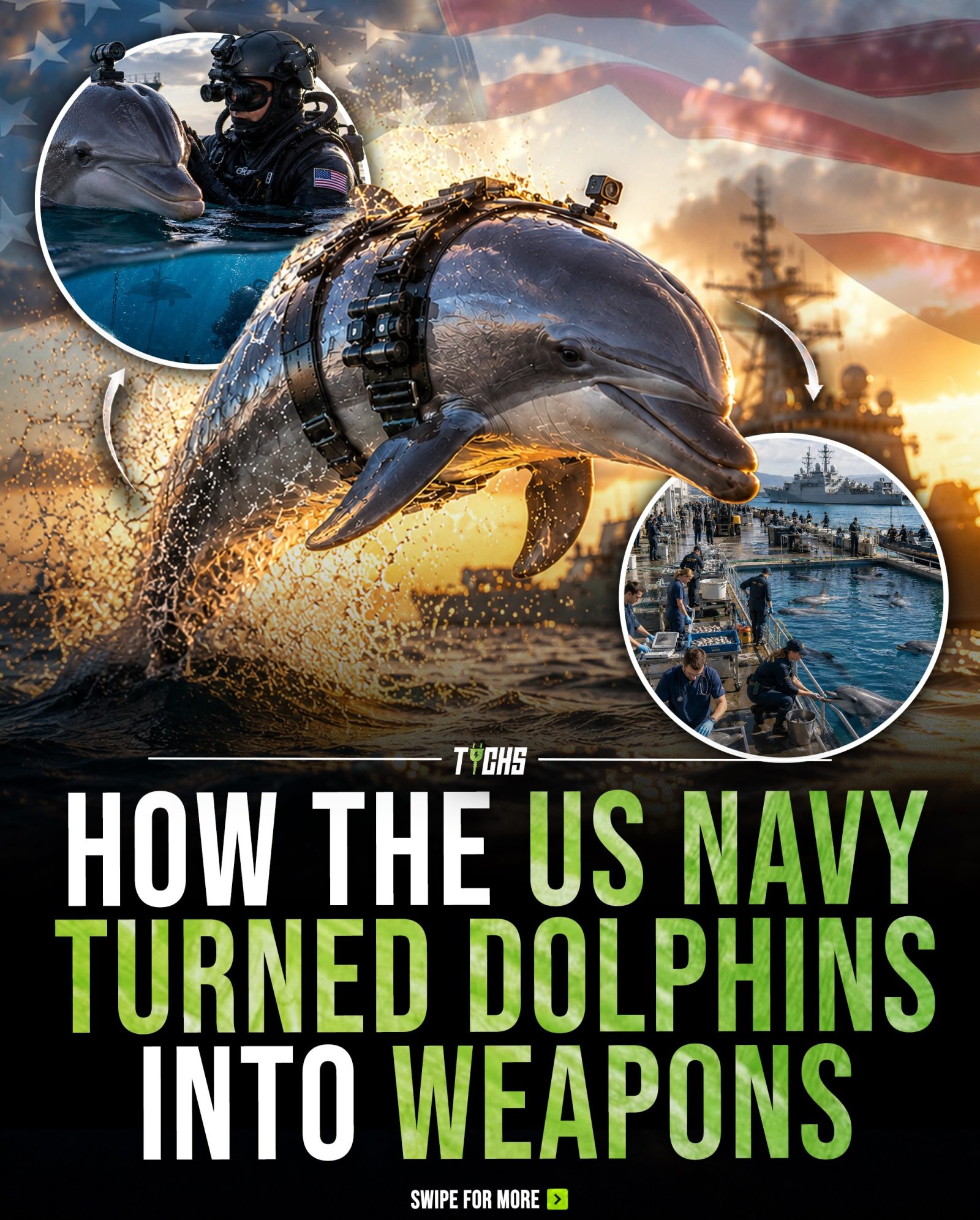
How the US Navy Turns Dolphins into Underwater Assets
The United States Navy's Marine Mammal Program, specifically the dolphin program, has spent decades transforming these marine creatures into highly trained underwater assets. These dolphins are integral to detecting mines, tracking enemy divers, and supporting naval operations in ways that many modern machines still struggle to replicate.
Why This Matters
The effectiveness of dolphins in military operations highlights several important factors. Firstly, dolphins' natural abilities, such as echolocation and deep-water navigation, often surpass the capabilities of traditional sonar systems and early underwater robotics. This makes them invaluable in underwater missions, especially in sensitive areas like the Persian Gulf. Secondly, the program underscores the strategic advantage of utilizing natural abilities in military applications, showcasing a unique blend of nature and technology.
The Evolution of the US Navy's Dolphin Program
The Cold War Origins
The Navy's Marine Mammal Program was originally developed during the Cold War. The initial discovery that dolphins could navigate deep water and detect underwater objects with remarkable precision set the stage for their integration into military operations. These findings were groundbreaking, as traditional sonar systems and early underwater robotics often fell short in these tasks.
Unmatched Echolocation and Navigation
Dolphins' natural echolocation abilities allow them to detect objects underwater with incredible precision. This skill is particularly useful for locating sea mines, which can be a significant threat to naval vessels. Traditional sonar systems often struggle with the same task, making dolphins a crucial asset in mine detection and clearance operations.
Dolphins in Action
Dolphins actively participate in various military missions, including detecting unauthorized divers and attaching tracking devices to them during security operations. This capability ensures that unauthorized activities in guarded waters are swiftly identified and monitored. The dolphins' role in these missions involves swimming alongside Navy personnel, being trained, and potentially targeting enemy divers. This interaction showcases the strategic use of dolphins in secret military projects, enhancing the Navy's defensive and offensive capabilities.
Key Functions of Military Dolphins
Detecting Mines
One of the most critical tasks dolphins perform is detecting sea mines. Their echolocation allows them to locate these hidden dangers quickly and accurately, reducing the risk to naval vessels and personnel.
Tracking Divers
Dolphins are also trained to detect and track unauthorized divers. This capability is crucial in high-security areas where unauthorized access can pose significant threats. The dolphins can attach tracking devices to divers, ensuring that any unauthorized activities are closely monitored and addressed.
Supporting Naval Operations
Beyond detecting mines and tracking divers, dolphins also support a wide range of naval operations. Their versatility and natural abilities make them valuable in extreme underwater environments, where traditional technology often falls short.
The High Cost of the Dolphin Program
The Marine Mammal Program costs around $28 million annually. Each dolphin in the program costs approximately $25,000 per year to maintain. This significant investment reflects the program's strategic importance and the high value placed on the unique capabilities these marine mammals bring to military operations.
Practical Tips for Understanding the Program
- Echolocation and Navigation: Understanding the dolphins' natural abilities, such as echolocation and deep-water navigation, is essential for recognizing their value in military applications.
- Training and Maintenance: The high cost of maintaining the program underscores the necessity of specialized training and care for these marine mammals, ensuring they remain effective in their roles.
- Strategic Integration: The integration of dolphins into military operations highlights the strategic advantage of combining natural abilities with advanced technology.
Important Takeaways
- Unique Capabilities: Dolphins' natural abilities, particularly in echolocation and navigation, make them invaluable in underwater military operations.
- Strategic Importance: The program's high cost and operational scope reflect its critical role in enhancing naval defense and offensive capabilities.
- Blending Nature and Technology: The success of the program showcases the strategic advantage of leveraging natural abilities in modern military applications, demonstrating how nature can outperform technology in extreme underwater environments.
Conclusion
The US Navy's Marine Mammal Program, particularly the dolphin initiative, represents a unique and highly effective approach to military operations. By leveraging the natural abilities of dolphins, the Navy has created a powerful tool for mine detection, diver tracking, and supporting various naval missions. The program's strategic importance and high cost underscore the value of blending nature and technology to achieve superior results in military applications.
Watch the Reel
Questions readers ask
How do dolphins assist the US Navy in underwater operations?
Dolphins aid the US Navy by using their exceptional echolocation skills to detect underwater mines and track enemy divers. Their natural abilities allow them to navigate murky or deep waters where traditional technology might fail, making them crucial for certain military missions.
What is the US Navy's Marine Mammal Program and how are dolphins trained?
The US Navy's Marine Mammal Program, specifically the dolphin program, has been training these creatures for decades. Training involves positive reinforcement and specialized tasks such as detecting mines, tracking divers, and supporting naval operations. Dolphins are trained to perform these tasks using natural behaviors and rewards.
How do dolphins' echolocation skills benefit military operations?
Dolphins' echolocation skills allow them to navigate and detect objects underwater with high accuracy. This capability is particularly useful in detecting underwater mines and navigating through complex underwater terrains, which can be challenging for even the most advanced sonar systems.
What kind of missions are dolphins involved in?
Dolphins are involved in a variety of missions, including detecting underwater mines in harbors and coastal areas, tracking enemy divers, and supporting naval operations. Their unique abilities make them particularly effective in sensitive and hazardous environments where human divers or advanced machinery might not be as effective.
Why are dolphins considered elite underwater assets?
Dolphins are considered elite because of their natural abilities, such as echolocation and deep-water navigation, which outperform many modern technologies. These abilities make them invaluable for specific military tasks, allowing the Navy to conduct operations in challenging underwater environments with high precision.
How do dolphins compare to modern technology in military operations?
While modern technology has advanced significantly, dolphins still hold an edge in certain areas due to their natural abilities. Their echolocation skills and deep-water navigation capabilities often surpass the performance of early underwater robotics and sonar systems in specific scenarios, making them a unique and effective tool for the Navy.
Related deep dives
Similar reads based on topic and creator.


Recent articles
Fresh deep dives from the latest Reels we unpacked.




Comments
Be the first to comment.