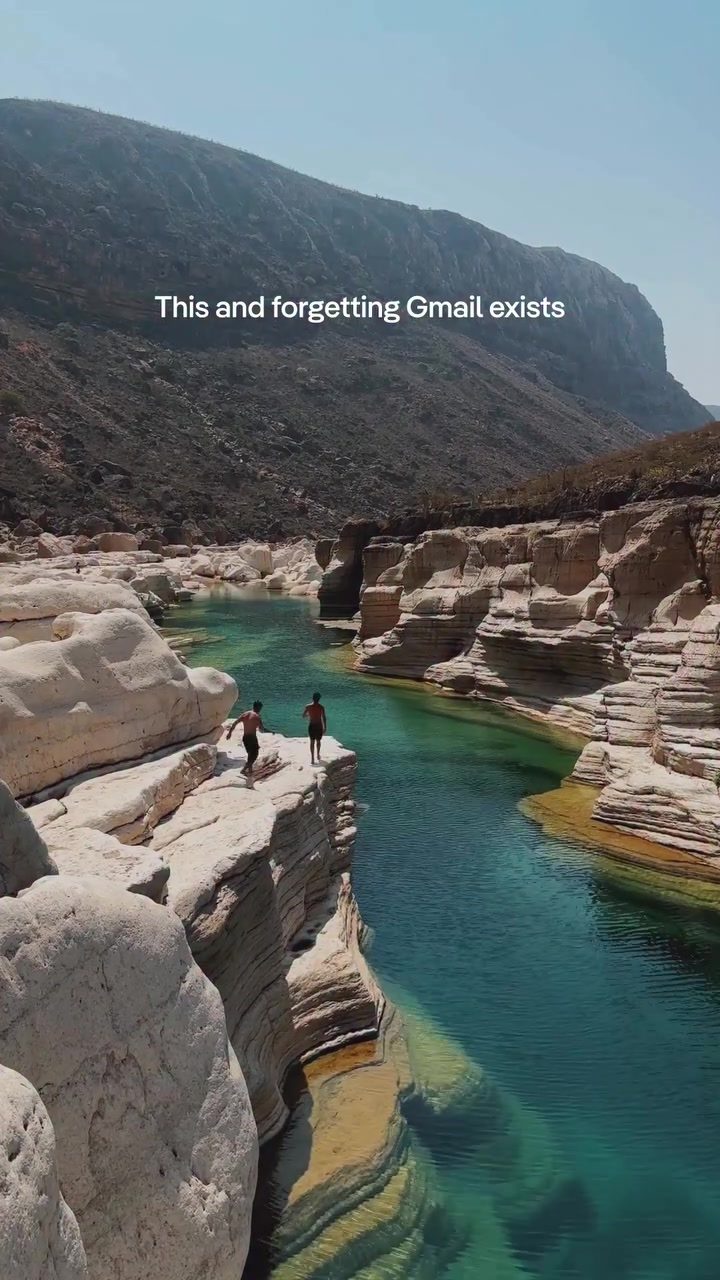
Socotra Island: A Journey into the "Galápagos of the Indian Ocean"
Nestled in the Arabian Sea, Socotra Island is a destination that defies expectations. Often dubbed the “Galápagos of the Indian Ocean,” this remote island boasts a unique ecosystem. Around a third of its plant species are endemic, meaning they are found nowhere else on Earth. This makes Socotra not just a beautiful destination, but a vital natural treasure.
Why This Matters
Socotra Island is more than just a picturesque location. Its ecological significance is profound. The island's biodiversity is a testament to its isolation, which has allowed unique plant and animal species to evolve in isolation. The Dragon’s Blood Trees, with their distinctive red sap, are one of the most iconic symbols of the island. These trees, along with the dramatic limestone canyons and natural freshwater pools, create a landscape that feels almost prehistoric.
Exploring Socotra's Natural Wonders
The Iconic Dragon’s Blood Trees
The Dragon’s Blood Tree (Dracaena cinnabari) is perhaps the most famous resident of Socotra. These peculiar trees are known for their upturned, umbrella-like canopy and the bright red sap that gives them their name. The sap has been used for centuries in various medicinal and cosmetic applications, and its vibrant color has made it a prized commodity. Beyond their practical uses, these trees are a visual marvel, standing as sentinels in the island's rugged terrain.
Limestone Canyons and Natural Pools
One of the most striking features of Socotra is its dramatic limestone canyons. These geological formations are a result of millions of years of erosion, creating a landscape that is both awe-inspiring and otherworldly. The canyons are often adorned with turquoise pools of freshwater, formed by rainwater collecting in natural depressions. These pools are not only a visual delight but also serve as refreshing oases in the island's otherwise arid climate.
Prehistoric Landscapes
The landscapes of Socotra Island feel almost prehistoric, untouched by the passage of time. The isolation of the island has allowed it to maintain a level of natural integrity that is rare in the modern world. This pristine environment is home to a variety of unique flora and fauna, many of which are found nowhere else on Earth.
Practical Tips for Visiting Socotra
Best Time to Visit
The best time to visit Socotra is during the winter months, from October to April. During this period, the weather is relatively mild and dry, making it ideal for outdoor activities such as hiking and swimming. The summer months, from May to September, can be quite hot and humid, which may make some activities less enjoyable.
How to Get There
Getting to Socotra Island requires a bit of planning. There are limited flights available from countries like Yemen and Oman. Once you arrive, transportation around the island is usually by 4x4 vehicles or on foot, as the terrain can be quite rugged.
What to Pack
When packing for a trip to Socotra, it's essential to bring sturdy hiking shoes, sun protection (hat, sunscreen, sunglasses), and lightweight, breathable clothing. A good quality camera or smartphone is also a must, as the island's landscapes are incredibly photogenic. Don't forget to pack a reusable water bottle to stay hydrated, as water can be scarce in some areas.
Important Takeaways
Socotra Island is a unique destination that offers a rare glimpse into a world untouched by modernization. Its unique ecosystem, dramatic landscapes, and prehistoric feel make it a must-visit for nature enthusiasts and adventure seekers alike. The island's biodiversity and natural beauty are a testament to the importance of preserving such natural wonders.
Conclusion
Socotra Island is a place that defies imagination. From its iconic Dragon’s Blood Trees to its dramatic limestone canyons and natural freshwater pools, the island is a treasure trove of natural wonders. The isolation and uniqueness of its flora and fauna make it a vital part of the planet's biodiversity. Whether you’re a nature enthusiast, an adventure seeker, or simply someone looking to escape the hustle and bustle of modern life, Socotra Island offers an experience that is truly unforgettable.
Watch the Reel
Questions readers ask
What makes Socotra Island's ecosystem so unique?
Its significant isolation has allowed the island to evolve with a third of its plant species endemic, found nowhere else on Earth. This makes it a vital natural treasure, with a diverse range of flora and fauna.
What are Socotra’s Dragon’s Blood Trees?
Dragon’s Blood Trees are endemic to Socotra and are known for their distinctive red sap. They are one of the most iconic symbols of the island, contributing to its unique landscape and biodiversity.
What are the limestone canyons like on Socotra Island?
Limestone canyons on Socotra Island are dramatic landscapes featuring turquoise pools set within their rocky formations. These canyons are a key feature of the island's natural wonders, offering stunning visual contrasts and unique ecosystems.
Are there tropical island water sources on Socotra Island?
Yes, Socotra Island is home to various tropical water sources, including the turquoise pools found within the limestone canyons. These water sources add to the island's allure and are a highlight for many visitors exploring its landscape.
What are some must-visit locations in Socotra Island's canyons?
Some of the most notable places to visit in Socotra’s canyons include the dramatic limestone formations and the turquoise pools nestled within them. These locations offer visitors breathtaking views and a chance to explore the island's unique natural beauty, providing memorable experiences.
What is the significance of Socotra Island's biodiversity?
The island's biodiversity is a testament to its isolation and evolution. It is home to a vast array of unique plant and animal species, making it a crucial location for those interested in the natural world and its wonders.
Related deep dives
Similar reads based on topic and creator.



Recent articles
Fresh deep dives from the latest Reels we unpacked.




Comments
Be the first to comment.