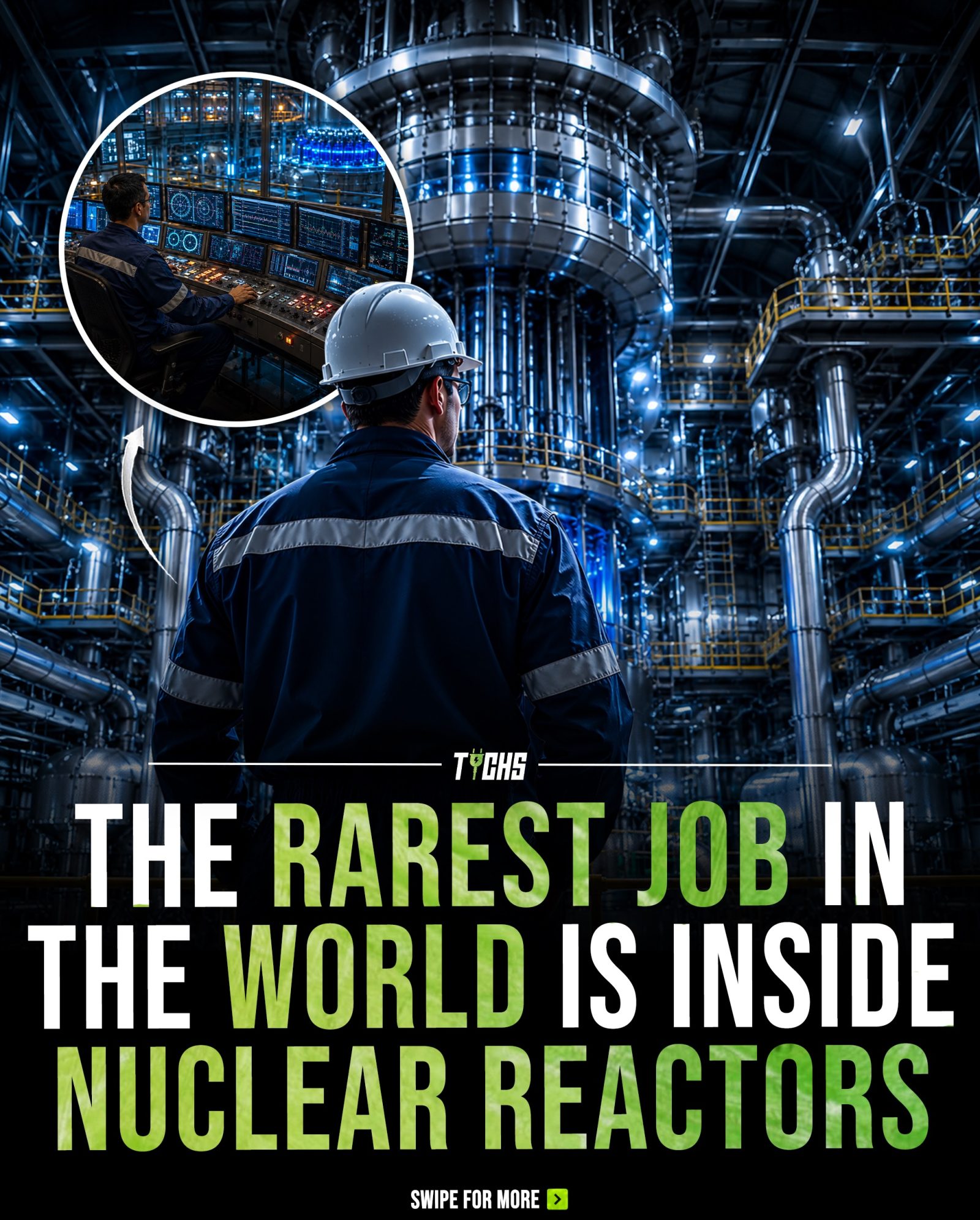
Nuclear Reactor Jobs: Inside the World of Precision and Responsibility
Nuclear reactor operators hold one of the most specialized and critical roles on the planet. Their daily tasks involve managing complex systems with extraordinary precision, extensive training, and a high level of responsibility. These professionals are responsible for monitoring reactor conditions, regulating power levels, and ensuring that nuclear reactions remain stable. This delicate balance is achieved through a combination of advanced technology, strict procedures, and continuous oversight. Even minor adjustments can significantly impact reactor performance, making the role incredibly demanding and vital.
Context: Why This Matters
Nuclear energy plays a crucial role in the global energy landscape, providing a significant portion of the world's electricity. The safe and efficient operation of nuclear reactors is essential for maintaining this energy source. Nuclear reactor operators are the guardians of this process, ensuring that nuclear reactions are controlled and that the facilities operate safely and efficiently. Their work directly impacts the reliability of nuclear power and the safety of the surrounding communities.
The Role of Nuclear Reactor Operators
Monitoring and Control
Operators constantly monitor various parameters to ensure the reactor operates within safe limits. This includes monitoring temperature, pressure, and neutron flux levels. These parameters are critical indicators of the reactor's performance and safety. Any deviation from the norm can trigger automatic safety systems, which can initiate a reactor shutdown if necessary. Understanding these systems and responding appropriately is a key aspect of an operator's role.
Safety Systems
Modern nuclear facilities are designed with multiple layers of safety systems. These systems are crucial for preventing accidents and mitigating the impact of any potential incidents. Automatic safety systems, for example, can trigger a reactor shutdown if certain conditions are met. Operators are trained to understand and work with these systems, ensuring that they function as intended and that any issues are promptly addressed.
Interacting with Neutrons
Neutrons are a vital component in nuclear reactions. Operators measure reactor activity by interacting with neutrons, a process that involves a deep understanding of nuclear physics. This interaction allows operators to fine-tune the reactor's performance and ensure that the nuclear reactions remain stable.
Decision-Making
Every decision made in the control room is critical. Operators must make split-second decisions that can have significant consequences. This high-pressure environment requires exceptional training and a deep understanding of the reactor's systems. The precision and responsibility in these roles are unmatched in many other professions, reinforcing the rarity and importance of these jobs.
Practical Tips for Aspiring Nuclear Reactor Operators
Education and Training
Aspiring nuclear reactor operators must undergo extensive education and training. This typically involves obtaining a degree in nuclear engineering or a related field, followed by on-the-job training. The training is rigorous and encompasses both theoretical knowledge and practical skills. Operators must be well-versed in nuclear physics, reactor operations, and safety protocols.
Continuous Learning
The field of nuclear energy is continually evolving, with new technologies and procedures being developed. Operators must stay updated with the latest advancements to ensure they can effectively manage modern reactors. Continuous learning and professional development are essential for maintaining the high standards required in this field.
Safety Protocols
Safety is paramount in nuclear reactor operations. Operators must adhere to strict safety protocols to minimize risks. This includes wearing protective gear, following emergency procedures, and conducting regular safety drills. Understanding and following these protocols is crucial for the safe operation of nuclear reactors.
Teamwork and Communication
Effective communication and teamwork are essential in the control room. Operators work closely with other professionals to ensure the reactor's smooth operation. Clear and concise communication is vital for coordinating actions and making critical decisions. Teamwork ensures that all aspects of the reactor's operation are monitored and managed effectively.
Important Takeaways
Nuclear reactor jobs are among the rarest and most demanding in the world. The role requires a high level of precision, extensive training, and a deep understanding of nuclear physics and reactor operations. Despite misconceptions about radiation exposure, modern safety systems and protocols ensure that operators are well-protected. The responsibility of managing nuclear reactions makes these jobs incredibly vital and challenging.
Conclusion
Nuclear reactor operators play a pivotal role in ensuring the safe and efficient operation of nuclear facilities. Their work involves constant monitoring, precise control, and critical decision-making. The combination of advanced technology, strict safety protocols, and continuous oversight allows operators to manage nuclear reactions effectively. For those considering a career in this field, a strong foundation in nuclear engineering, continuous learning, and a commitment to safety are essential. The rarity and importance of these jobs underscore the critical role that nuclear reactor operators play in the global energy landscape.
Watch the Reel
Questions readers ask
What are the primary responsibilities of a nuclear reactor operator?
Nuclear reactor operators primarily monitor reactor conditions, regulate power levels, and maintain stability within the reactor. They ensure that nuclear reactions remain controlled and safe, protecting both the facility and the surrounding communities. This involves managing complex nuclear systems with precision and adhering to strict safety standards.
How do nuclear reactor operators ensure safety in nuclear power generation?
Operators ensure safety by continuously monitoring reactor conditions, following strict procedures, and making precise adjustments as needed. They are trained to manage complex systems and use advanced technology to maintain nuclear reactor stability, thereby preventing potential hazards and ensuring public safety.
What kind of training do nuclear reactor operators undergo?
Nuclear reactor operators undergo extensive training that includes both classroom instruction and hands-on experience. They learn to operate and manage complex nuclear reactor technology, understand nuclear safety standards, and respond to various scenarios, including emergencies. This preparation is crucial for their high-level responsibility and precision in managing nuclear power levels.
Why is precision so important in the role of a nuclear reactor operator?
Precision is vital because even minor adjustments can significantly impact reactor performance and safety. Operators must make exact calculations and adjustments to regulate power levels and maintain stability. This precision is essential for the safe and efficient generation of nuclear power, ensuring the safety of the plant and the surrounding environment.
How do nuclear reactor operators contribute to global energy production?
Nuclear reactor operators contribute to global energy production by managing the safe and efficient operation of nuclear power plants. Their role is critical in ensuring a stable power supply, as they regulate power levels and maintain reactor stability. This helps meet the energy demands while adhering to nuclear safety standards, making their role indispensable in the global energy landscape.
Recent articles
Fresh deep dives from the latest Reels we unpacked.




Comments
Be the first to comment.