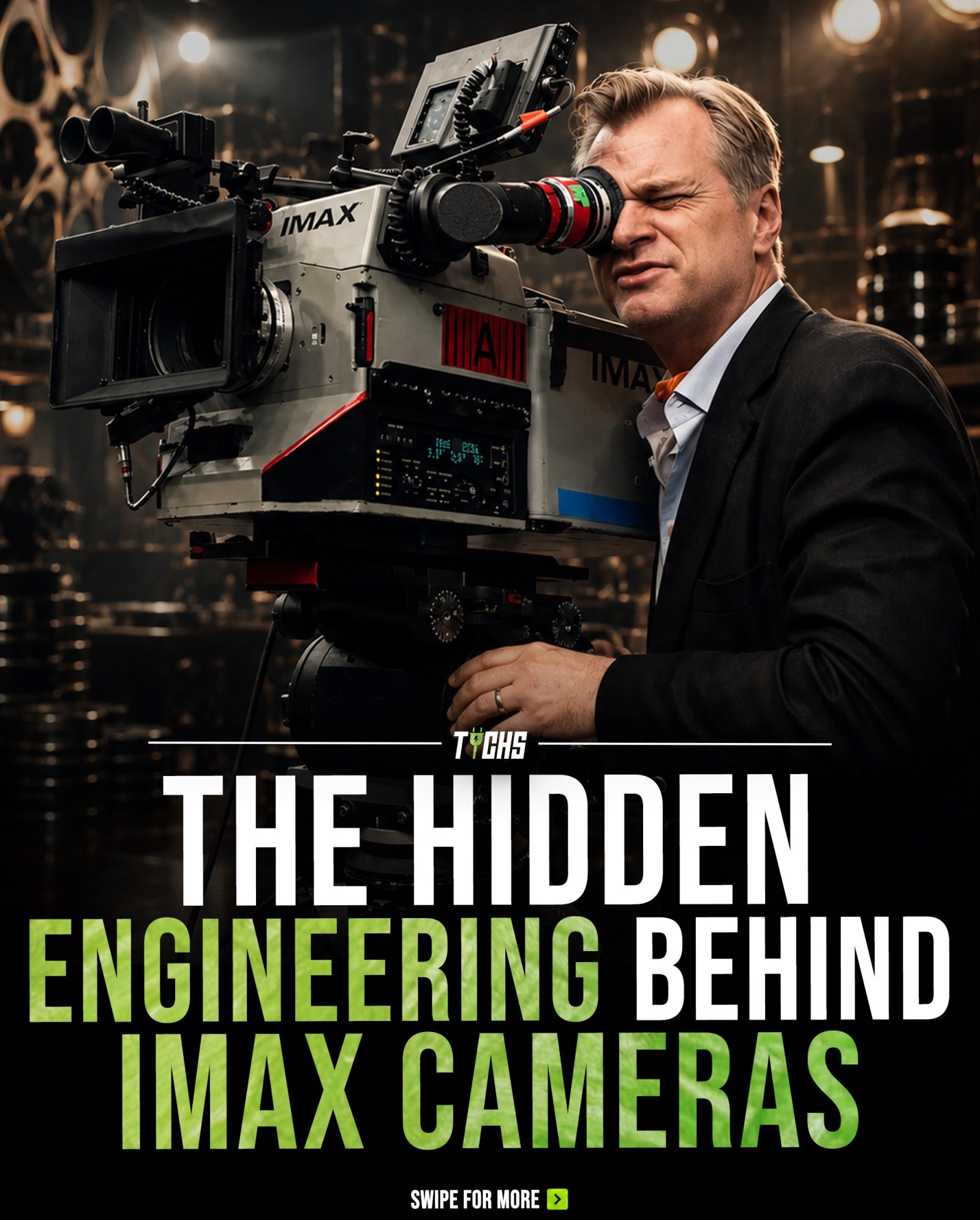
IMAX Camera Engineering
IMAX cameras are renowned for their ability to capture an extraordinary level of detail on the world's largest screens. Unlike traditional film cameras, IMAX cameras are engineered with precision lenses, powerful film transport systems, and vacuum technology that ensures every frame is perfectly flat. These cameras are the gold standard for filmmakers seeking to achieve the highest possible level of cinematic detail.
Why This Matters
The engineering behind IMAX cameras is what sets them apart from other film cameras. IMAX cameras are designed to maximize image quality on the largest screens, providing an immersive viewing experience for audiences. This high level of detail is achieved through the use of 70mm film and massive image frames, which are nearly ten times larger than standard 35mm frames.
Engineering Details
Larger Frames for Superior Detail
IMAX cameras use horizontal 70mm film, which means each frame is approximately ten times larger than a standard 35mm frame. This larger negative allows for more detail to be captured with less visible grain, resulting in a sharper, more detailed image. The larger frame size also enables filmmakers to capture more of the scene, providing a more immersive experience for the viewer.
Precision Lenses
Precision lenses are a key component of IMAX cameras. These lenses are designed to work in tandem with the large film frames, ensuring that every detail is captured with clarity and precision. The lenses are engineered to minimize distortion and chromatic aberration, resulting in a crystal-clear image.
Powerful Film Transport Systems
The film transport systems in IMAX cameras are powerful and precise, allowing for smooth and consistent film movement. The mechanical noise that these systems produce is a result of moving large film at extremely high speeds with incredible precision. This precision is essential for capturing smooth, fluid motion in high-speed scenes.
Vacuum Technology
One of the most innovative features of IMAX cameras is the vacuum technology that keeps every frame perfectly flat. Tiny vacuum channels are embedded in the film path, ensuring that the film remains perfectly flat as it moves through the camera. This prevents vibration, warping, and tiny focus errors, resulting in a sharper, more detailed image.
Practical Tips for Film Production
When shooting with IMAX cameras, it's important to understand the unique capabilities and limitations of the equipment. Here are some practical tips for film production with IMAX cameras:
Plan for Large Frames
With each frame being nearly ten times larger than a standard 35mm frame, it's important to plan your shots accordingly. Consider the composition, lighting, and movement of your subject to make the most of the larger frame size. Take advantage of the additional detail and depth that the larger frame provides to create more immersive scenes.
Use High-Quality Lenses
To maximize the detail and clarity of your images, use high-quality lenses that are compatible with IMAX cameras. Precision lenses are essential for capturing the full potential of the large film frames, so invest in the best lenses you can afford.
Maintain Proper Film Speed
The powerful film transport systems in IMAX cameras are designed to move the film at high speeds with incredible precision. Maintain proper film speed to ensure smooth, fluid motion and minimize mechanical noise.
Monitor Vacuum Systems
Ensure that the vacuum systems are functioning properly to keep the film perfectly flat. Regularly check the vacuum channels for any signs of wear or damage, and clean them as needed to maintain optimal performance.
Important Takeaways
- Larger Frames: IMAX cameras use 70mm film, which results in frames that are nearly ten times larger than standard 35mm frames. This allows for more detail to be captured with less visible grain.
- Precision Lenses: High-quality, precision lenses are essential for capturing the full potential of the large film frames.
- Powerful Film Transport Systems: The mechanical noise produced by IMAX cameras is a result of moving large film at high speeds with incredible precision.
- Vacuum Technology: Tiny vacuum channels keep the film perfectly flat, preventing vibration, warping, and focus errors.
Conclusion
The unique engineering of IMAX cameras allows filmmakers to capture an extraordinary level of detail, making them the preferred format for cinema. From the larger frames to the precision lenses, powerful film transport systems, and vacuum technology, every part of an IMAX camera is designed to maximize image quality. Whether you're a filmmaker or a film enthusiast, understanding the engineering behind IMAX cameras can enhance your appreciation for the art of cinema.
Watch the Reel
Questions readers ask
What makes IMAX cameras stand out from traditional film cameras?
IMAX cameras are distinguished by their use of 70mm film frames, precision lenses, and powerful film transport systems. These components work together to capture an unprecedented level of detail, making IMAX cameras the preferred choice for filmmakers who want to deliver a superior cinematic experience.
How do IMAX cameras ensure each frame is perfectly flat?
IMAX cameras employ vacuum technology, which keeps the film flat as it moves through the camera. This technology is crucial for maintaining image quality, especially when projecting on giant screens. Traditional cameras often struggle with maintaining this level of flatness.
What role do 70mm film frames play in IMAX camera technology?
The 70mm film frames used in IMAX cameras are significantly larger than those in traditional cameras, allowing for more data to be captured per frame. This results in images with remarkable clarity and detail, which is especially noticeable when projected on large cinema screens.
How does the film transport system in IMAX cameras contribute to high-quality images?
Powerful film transport systems in IMAX cameras ensure that film moves smoothly and consistently through the camera, reducing the risk of vibrations or distortions. This consistent movement is key to capturing high-quality images, frame after frame.
What are some common applications of IMAX camera technology?
IMAX cameras are frequently used in large-format filmmaking, from documentaries to blockbuster films. They are also used in special projects that require high levels of detail and clarity, such as space documentaries and nature films.
Related deep dives
Similar reads based on topic and creator.




Recent articles
Fresh deep dives from the latest Reels we unpacked.




Comments
Be the first to comment.