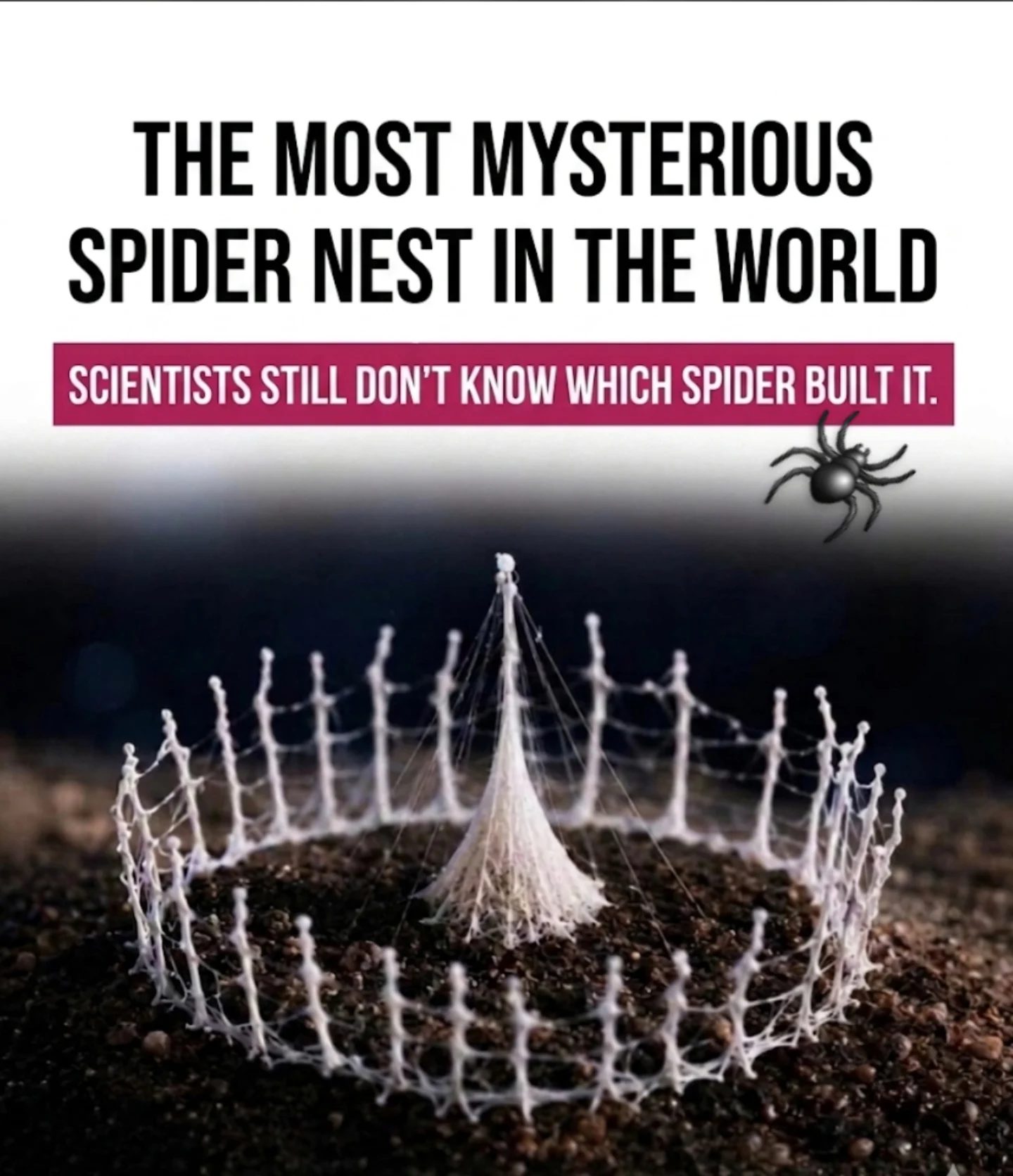
The Silkhenge Phenomenon: An In-Depth Look at the Mysterious Spider Nest
The Silkhenge structure, discovered in the Peruvian Amazon in 2013, is a marvel of nature's engineering. This delicate architecture consists of a central spire surrounded by an intricate, circular picket fence made entirely of spider silk. The intricate design and unknown origin of this structure have captivated scientists and nature enthusiasts alike, earning it a reputation as one of the most baffling entomological discoveries.
Context / Why This Matters
The Silkhenge phenomenon is more than just an intriguing curiosity. It represents a unique and highly sophisticated reproductive mechanism crafted by a tiny, undescribed species of line-weaver spider (family Linyphiidae). Understanding this structure can provide valuable insights into the behavioral and biological adaptations of spiders, particularly in their reproductive strategies and defensive mechanisms.
The Intricacies of the Silkhenge
The Silkhenge structure is a testament to the remarkable abilities of spiders. The central tower, or spire, contains a single spider egg, while the surrounding silk fence serves as a protective barrier. This intricate design is believed to deter predators like ants or parasitic wasps from reaching the offspring, ensuring the survival of the next generation.
The Architecture of Silkhenge
The central spire is the most conspicuous feature of the Silkhenge. It stands tall and thin, much like a miniature Eiffel Tower, providing a vertical structure that supports the delicate silk threads that radiate outward. These radiating threads form a circular picket fence, which serves multiple functions:
- Protection: The silk fence acts as a physical barrier, preventing potential predators from easily reaching the central spire and the egg it contains.
- Camouflage: The delicate and intricate pattern of the silk threads can blend seamlessly with the surrounding environment, making the nest less conspicuous to predators.
- Structural Support: The web-like structure provides additional strength and stability, ensuring that the central spire remains upright and secure.
The Line-Weaver Spider
The species responsible for constructing the Silkhenge is an undescribed member of the Linyphiidae family, commonly known as line-weavers or money spiders. These tiny spiders are known for their small size and delicate webs, but the Silkhenge structure represents an unprecedented level of sophistication in their web-building capabilities.
The line-weaver spider's ability to construct such a complex structure is a testament to the evolutionary adaptations that have allowed these spiders to thrive. The Silkhenge structure demonstrates the spider's ingenuity and the lengths to which it will go to protect its offspring.
The Mystery and Scientific Intrigue
The Silkhenge structure initially baffled scientists due to its unique design and the fact that no known spider species was associated with such a complex web. The mystery surrounding the origin of this structure captivated the scientific community, leading to extensive research and field observations.
The Discovery
The Silkhenge was first discovered in the Peruvian Amazon in 2013. The delicate architecture and intricate design immediately drew the attention of scientists and entomologists. The mystery deepened as researchers struggled to identify the spider species responsible for constructing the complex structure. The lack of conclusive evidence and the rarity of the structure made it one of the most enigmatic discoveries in the field of entomology.
Research and Findings
Subsequent research and field observations revealed that the Silkhenge is a highly sophisticated reproductive mechanism. Scientists determined that the structure is crafted by a tiny, undescribed species of line-weaver spider. The central tower contains a single spider egg, while the surrounding silk fence is believed to serve as a protective barrier to deter predators.
The findings underscore the importance of continued research into spider behavior and biology. The Silkhenge structure provides a unique opportunity to study the reproductive strategies and defensive mechanisms of spiders, offering valuable insights into their evolutionary adaptations.
Practical Tips for Observing and Documenting Spider Nests
For those interested in observing and documenting spider nests, particularly the Silkhenge structure, here are some practical tips:
Equipment and Preparation
- Camera: A high-quality camera with a macro lens is essential for capturing the intricate details of spider nests. A tripod can help stabilize the camera, ensuring clear and sharp images.
- Field Journal: Keep a detailed field journal to record observations, including the location, date, and any notable features of the nest.
- Magnifying Glass: A handheld magnifying glass can be useful for examining the fine details of the nest structure, such as the silk threads and any visible eggs or spiders.
Documentation
- Photography: Take multiple photos from different angles to capture the structure's complexity and detail. Close-up shots of the silk threads and any visible eggs can provide valuable insights.
- Notes: Write detailed notes about the nest's appearance, location, and any observations about the spider species. Include information about the surrounding environment and any potential predators or threats.
Safety
- Handle with Care: When approaching or documenting a spider nest, handle the structure with care to avoid disturbing the spiders or damaging the nest. Remember that the nest serves as a protective barrier for the spider's offspring, and any disturbance could have unintended consequences.
Important Takeaways
The Silkhenge structure is a remarkable example of nature's engineering and a testament to the ingenuity of spiders. The intricate design and sophisticated reproductive mechanism of the Silkhenge highlight the adaptive capabilities of these small creatures. For researchers and nature enthusiasts, the Silkhenge provides a unique opportunity to study the behavior and biology of spiders, offering valuable insights into their evolutionary adaptations.
The Silkhenge structure represents a fascinating and enigmatic discovery in the field of entomology. Its intricate design and the mystery surrounding its origin have captivated scientists and nature enthusiasts alike. As research continues, the Silkhenge will undoubtedly provide new insights into the behavior and biology of spiders, further enriching our understanding of these remarkable creatures.
Conclusion
The Silkhenge structure is a testament to the incredible engineering capabilities of spiders. The intricate design and sophisticated reproductive mechanism of the Silkhenge provide valuable insights into the behavior and biology of these small creatures. For researchers and nature enthusiasts, the Silkhenge offers a unique opportunity to study the adaptive capabilities of spiders, further enriching our understanding of these remarkable creatures and their role in the natural world.
Watch the Reel
Questions readers ask
What makes the Silkhenge spider nest unique among other spider nests?
The Silkhenge spider nest stands out due to its distinctive design, featuring a central spire and a surrounding silk fence. This intricate architecture is unlike typical spider nests, making it a subject of great interest for researchers.
Where was the Silkhenge spider nest first discovered?
The Silkhenge spider nest was first discovered in the Peruvian Amazon in 2013. This remote and biodiverse region has provided a rich environment for unique biological phenomena, including this mysterious structure.
What type of spider is responsible for creating the Silkhenge spider nest?
The Silkhenge spider nest is believed to be crafted by an undescribed species of line-weaver spider, which belongs to the family *Linyphiidae*. This small spider has shown remarkable engineering skills in constructing its nest.
What is the purpose of the central spire in the Silkhenge spider nest?
The central spire in the Silkhenge spider nest is thought to play a crucial role in the spider's reproductive strategies. While the exact function is still under investigation, it is likely involved in attracting mates or providing a secure location for egg-laying.
Why is the Silkhenge spider nest significant for understanding spider behavior?
The Silkhenge spider nest offers insights into the sophisticated and complex behaviors of spiders. By studying this structure, researchers can gain a deeper understanding of spider nest engineering, reproductive strategies, and the diverse ways spiders adapt to their environments.
What implications does the Silkhenge discovery have for spider research?
The discovery of the Silkhenge spider nest has opened new avenues for spider research, particularly in the exploration of unknown spider species and their behaviors. It highlights the need for further investigation into the Peruvian Amazon and other biodiverse regions to uncover more about the intricate world of spiders.
Related deep dives
Similar reads based on topic and creator.




Recent articles
Fresh deep dives from the latest Reels we unpacked.

Comments
Be the first to comment.