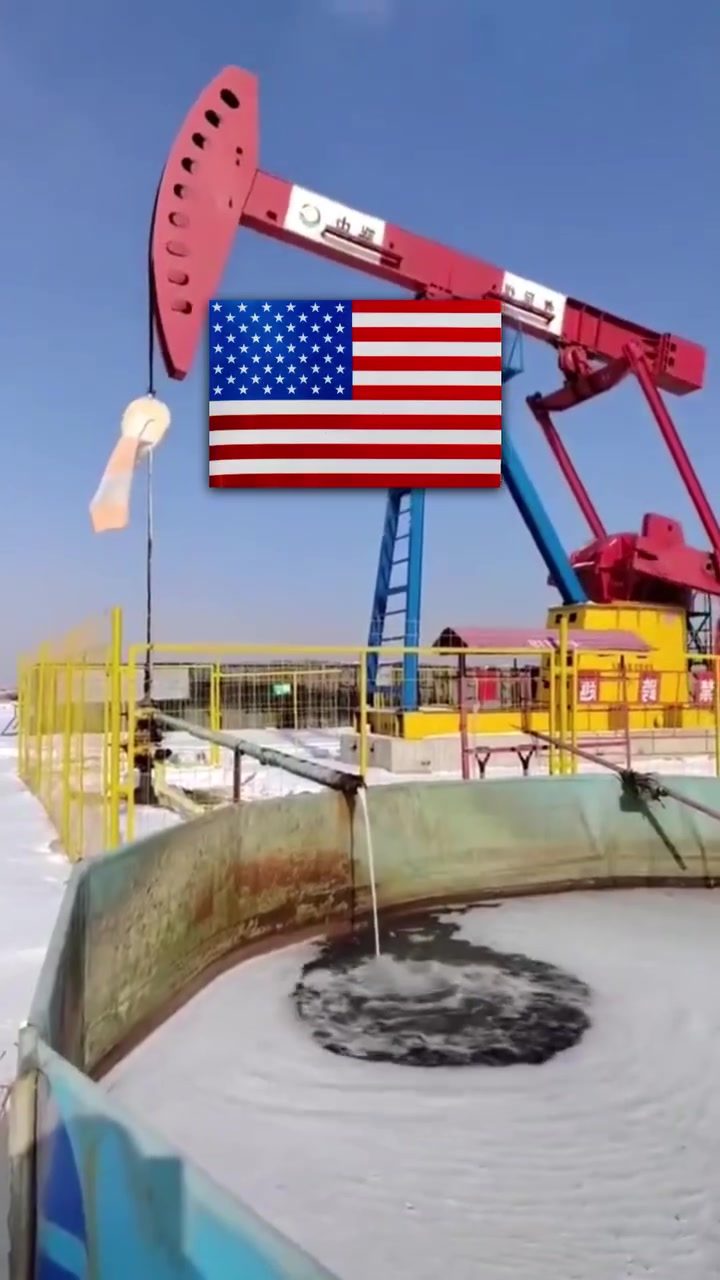
Oil Extraction from Solid Rock: A Deep Dive into Modern Texas Oil Production
Oil extraction from solid rock is a complex process that has revolutionized energy production, particularly in Texas. Billions of barrels of oil are trapped in solid rock formations deep beneath the surface. Understanding how engineers extract this oil involves delving into the intricate techniques of horizontal drilling and hydraulic fracturing.
Context / Why This Matters
Texas's vast energy resources are critical to the U.S. energy landscape. The ability to efficiently extract oil from tight shale formations has not only boosted domestic oil production but has also reduced dependence on foreign oil. This process is pivotal for maintaining energy security and economic stability.
Main discussion
The Role of Drilling Rigs
The journey of oil from the rock to the surface begins with a drilling rig. Engineers start by drilling a well thousands of feet straight down until it reaches the target shale formation. This vertical drilling is the initial phase of accessing the oil-rich rock.
Horizontal Drilling
Once the vertical well reaches the shale formation, the drilling process takes a turn—literally. The well changes direction and begins to drill horizontally through the oil-rich rock. This horizontal drilling exposes a larger area of the reservoir, increasing the chances of accessing more oil. The horizontal section of the well can extend for thousands of feet, significantly enhancing the surface area from which oil can be extracted.
Hydraulic Fracturing
Horizontal drilling alone is not enough to extract the oil efficiently. Oil is trapped within tiny pores and fractures in the rock, making it difficult to flow naturally. This is where hydraulic fracturing, or "fracking," comes into play. Hydraulic fracturing involves injecting a high-pressure mixture of water, sand, and chemicals into the well. This mixture creates cracks in the rock, allowing the oil to flow more freely into the well.
Practical Tips
Understanding the Process
For those interested in the oil industry, understanding the basics of horizontal drilling and hydraulic fracturing is essential. These techniques have transformed the way oil is extracted, making it possible to tap into reserves that were previously inaccessible.
Safety and Environmental Considerations
While hydraulic fracturing has its benefits, it's also crucial to consider the environmental and safety aspects. Proper well design and regulation are necessary to prevent contamination of groundwater and minimize the risk of earthquakes. The industry must adhere to stringent safety protocols and environmental standards to ensure sustainable oil production.
Technological Advancements
The oil industry is continuously evolving, with new technologies and methods being developed to improve extraction efficiency and reduce environmental impact. Staying updated with the latest advancements can provide deeper insights into the future of oil drilling.
Important Takeaways
Importance of Horizontal Drilling and Hydraulic Fracturing
Horizontal drilling and hydraulic fracturing are indispensable techniques in modern oil production. They work together to create pathways that allow oil to flow into the well, making it possible to extract oil from tight shale formations.
Environmental and Safety Measures
While these techniques are effective, they must be conducted with a focus on environmental sustainability and safety. Proper regulation and adherence to safety protocols are essential to mitigate potential risks.
Future of Oil Extraction
The combination of horizontal drilling and hydraulic fracturing has unlocked vast energy resources in Texas. As technology advances, the efficiency and environmental impact of these techniques will continue to improve, ensuring a more sustainable future for the oil industry.
Conclusion
Oil extraction from solid rock is a fascinating and complex process that has significantly impacted the oil industry in Texas. By understanding the intricate techniques of horizontal drilling and hydraulic fracturing, we can appreciate the engineering marvels that make it possible to unlock vast energy resources. As the industry continues to evolve, staying informed about these processes will be crucial for anyone interested in the future of energy production.
Watch the Reel
Questions readers ask
What is horizontal drilling and how does it facilitate oil extraction in Texas?
Horizontal drilling involves creating a well that turns horizontally to access oil trapped in shale rock formations. This technique allows engineers to extract oil more efficiently from areas that were previously inaccessible, significantly boosting Texas's oil production.
How does hydraulic fracturing, or fracking, complement horizontal drilling in Texas?
Hydraulic fracturing, or fracking, is the process of injecting fluid into the horizontal well to create small fractures in the surrounding rock. This allows oil to flow more freely into the well, making extraction from tight shale formations more feasible and enhancing overall oil production in Texas.
What are the key benefits of using horizontal drilling and hydraulic fracturing in Texas's oil industry?
These techniques have dramatically increased domestic oil production, reduced the reliance on foreign oil, and strengthened the U.S. energy landscape. They also make it economically viable to extract oil from previously inaccessible reserves.
What types of rock formations are typically targeted in Texas using these drilling techniques?
In Texas, horizontal drilling and hydraulic fracturing primarily target shale rock formations, which are dense and contain vast amounts of oil. Examples of these formations include the Eagle Ford Shale and the Permian Basin.
How has the implementation of horizontal drilling and fracking impacted the Texas economy?
The implementation of these drilling techniques has led to a significant boost in the Texas economy by creating jobs, increasing tax revenues, and supporting local businesses. It has also contributed to the overall economic stability of the U.S.
What role do engineers play in the advancement of oil extraction techniques in Texas?
Engineers are crucial in developing and refining the techniques used for horizontal drilling and hydraulic fracturing. They design the wells, optimize the fracking processes, and ensure that the extraction methods are safe and efficient.
How does the process of hydraulic fracturing, or fracking, work in oil extraction?
Hydraulic fracturing involves injecting a high-pressure mixture of water, sand, and chemicals into the well to create small fractures in the rock. This process allows the oil to flow more freely from the rock into the wellbore, enhancing the overall efficiency of the extraction process.
Related deep dives
Similar reads based on topic and creator.




Recent articles
Fresh deep dives from the latest Reels we unpacked.




Comments
Be the first to comment.