Fitness Motivation
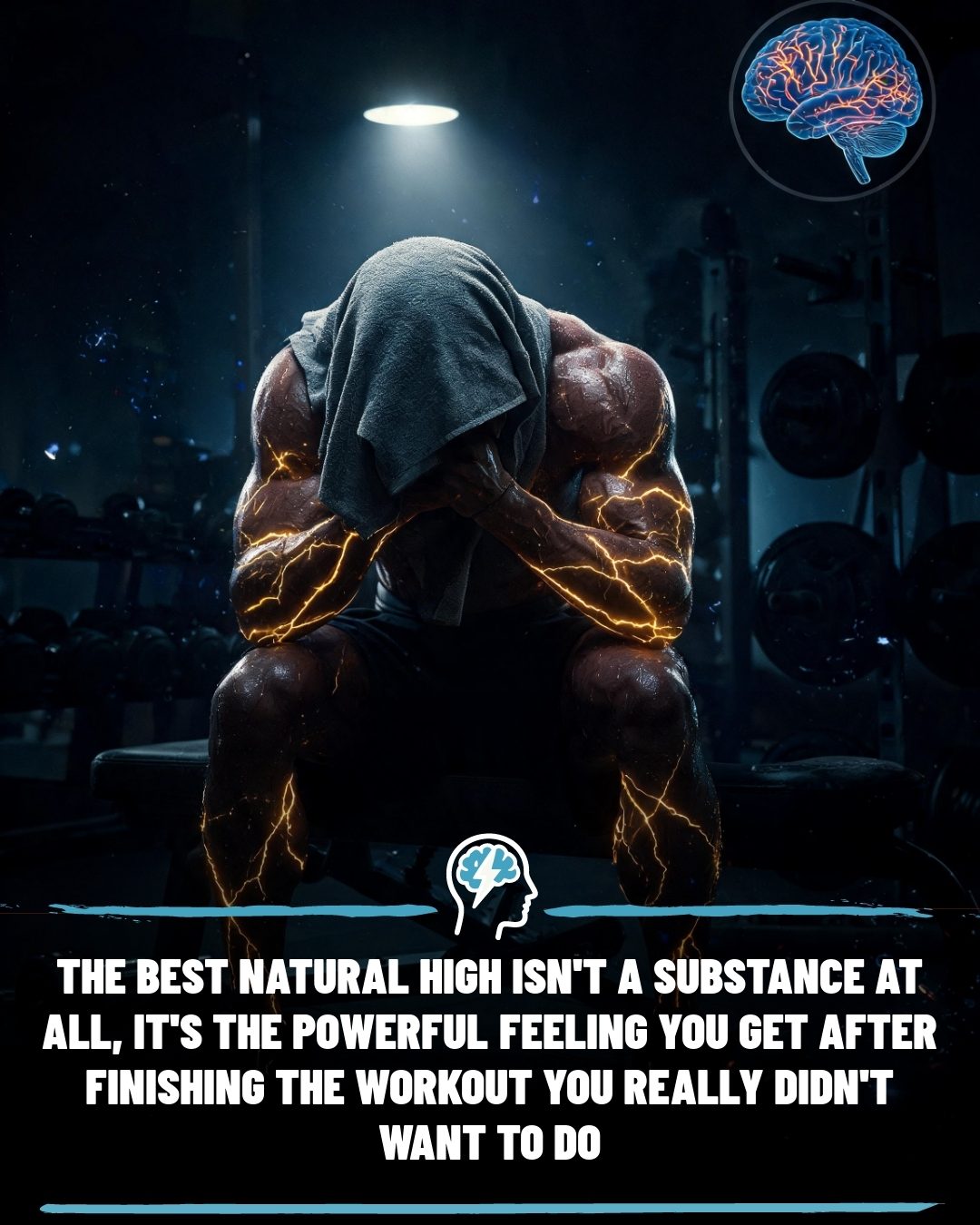
The natural high from a workout isn't just a myth—it's a real, measurable experience that can significantly impact your mood and motivation. Understanding the biology behind this phenomenon can help you push through those tough days when exercise is the last thing you want to do.
Context / Why this matters
Many people equate fitness with physical changes, but the mental benefits are equally significant. The sense of accomplishment after a hard workout can reshape your mindset, making you more resilient and motivated.
The Science Behind the Natural High
Neurochemical Rewards
When you push through the urge to skip a workout, your brain releases several key neurochemicals that dramatically alter your mood and mental state.
- Endorphins: These are natural painkillers produced by the body. When you finish a workout, endorphins are released to dull physical discomfort and induce a sense of euphoria.
- Dopamine: This neurotransmitter is associated with the brain's reward and pleasure centers. As you complete your workout, dopamine levels rise, reinforcing the positive habit of showing up and making it more likely that you'll do it again.
- Endocannabinoids: These are compounds produced naturally by the body that mimic the effects of cannabinoids found in cannabis. Endocannabinoids help lower anxiety and bring a sense of calm once the exertion ends, offering a feeling of deep relaxation and well-being.
The Power of Mental Resilience
The mental shift that happens when you push through a workout, even on days when motivation is low, is profound. This is known as building a "mental muscle." Finishing a workout you almost skipped builds a real psychological resilience. Acting despite low motivation trains your brain to prioritize long-term goals over short-term comfort. This trait is called self-efficacy—the belief that you can handle difficult tasks and follow through on your commitments.
The Feedback Loop
The sense of accomplishment after a forced workout tends to linger long after the physical fatigue has subsided. This boost can translate into better productivity, improved sleep, and a generally friendlier mood. Over time, exercise stops being a chore and becomes a tool for emotional regulation and mental clarity.
When you finish a workout that you almost skipped, the sense of accomplishment is more intense. This feeling of achievement tends to last much longer than the physical fatigue, carrying over into the rest of your day. This emotional boost can lead to better productivity, more restful sleep, and a more positive outlook.
Practical Tips
Set Realistic Goals
Start by setting small, achievable goals. This could be as simple as committing to a 10-minute walk every day. As you build momentum, you can gradually increase the intensity and duration of your workouts.
Stay Accountable
Find a workout buddy or join a fitness group. Having someone to share your journey with can provide an extra layer of accountability and support. Knowing someone else is counting on you can be a powerful motivator.
Focus on Progress, Not Perfection
It's easy to get discouraged if you expect to see immediate results. Remember that fitness is a journey, and progress, no matter how small, is still progress. Celebrate your milestones, whether they're physical or mental.
Lean on Visualization
Visualize the natural high you'll experience after completing your workout. Picture the sense of accomplishment and the surge of feel-good neurochemicals. This mental image can serve as a motivator, pushing you to start and finish your workout.
Embrace the Struggle
Understand that the hardest part of any workout is starting. Once you're in motion, it's much easier to keep going. Embrace the initial struggle, knowing that the reward on the other side is well worth the effort.
Important Takeaways
When considering fitness motivation, remember these key points:
- The hardest rep is the one before you even start. Overcoming the initial resistance is the biggest hurdle.
- The real shift happens on the couch days. The workouts that matter most are the ones you do when you don't feel like exercising.
- Building the mental muscle is just as important as the physical muscle. The psychological resilience you gain from sticking to your fitness routine is invaluable.
- The natural high is a real, measurable experience. The neurochemicals released during and after a workout can significantly improve your mood and overall well-being.
Conclusion
The natural high achieved through exercise is more than just a feel-good phrase—it's a scientifically proven phenomenon. By understanding the neurochemical rewards and the psychological benefits, you can harness this power to push through tough days and build a stronger, more resilient mindset. Embrace the struggle, set realistic goals, and remember that the hardest part is always the beginning. The sense of accomplishment and the natural high that follows will make every workout worth it.
Watch the Reel
Questions readers ask
What are the key neurochemicals released during exercise that improve mood and motivation?
The primary neurochemicals released during exercise that enhance mood and motivation are endorphins, dopamine, and endocannabinoids. Endorphins act as natural painkillers and mood elevators, dopamine is associated with the brain's reward and pleasure centers, and endocannabinoids help to reduce anxiety and stress, contributing to an overall sense of well-being.
How does exercise help reduce anxiety?
Exercise helps reduce anxiety by triggering the release of endorphins and endocannabinoids. These neurochemicals interact with receptors in the brain to promote relaxation and reduce feelings of anxiety, leading to a calming effect. Regular physical activity can also provide a sense of accomplishment and mastery, further boosting mental well-being.
Why does exercising make you feel happier?
Exercising makes you feel happier due to the release of endorphins and dopamine. Endorphins act as natural mood elevators, while dopamine is associated with the brain's reward system. When these chemicals are released during a workout, they create a sense of euphoria, reduce stress, and promote a positive mood.
How can understanding the science behind exercise help with motivation?
Understanding that exercise triggers the release of mood-enhancing neurochemicals can provide a powerful incentive to maintain a regular workout routine. Knowing that physical activity can improve your mood, reduce anxiety, and increase motivation can help overcome the initial resistance to exercise, especially on difficult days.
What is the role of endocannabinoids in the exercise-induced natural high?
Endocannabinoids play a significant role in the natural high experienced after exercise by reducing stress and anxiety. They interact with the body's endocannabinoid system, which regulates various physiological and cognitive processes. This interaction helps to create a sense of relaxation and well-being, contributing to the overall positive impact of exercise on mood and motivation.
What is the significance of the 'runner's high' in exercise and motivation?
The 'runner's high' refers to the sense of euphoria and well-being that often follows intense physical activity, such as running. This phenomenon is attributed to the release of endorphins, endocannabinoids, and other neurochemicals. Experiencing a runner's high can reinforce the motivation to engage in regular exercise, as it provides a tangible reward for physical exertion.
Can exercise replace medications for mood enhancement?
While exercise offers significant benefits for mood enhancement and can be a powerful tool for maintaining good mental health, it should not be seen as a replacement for prescribed medications without medical supervision. Regular exercise can complement other treatments, and some people may find that it reduces their reliance on medications under the guidance of a healthcare provider. Always consult a healthcare professional before making changes to your treatment plan.
Related deep dives
Similar reads based on topic and creator.




Recent articles
Fresh deep dives from the latest Reels we unpacked.




Comments
Be the first to comment.