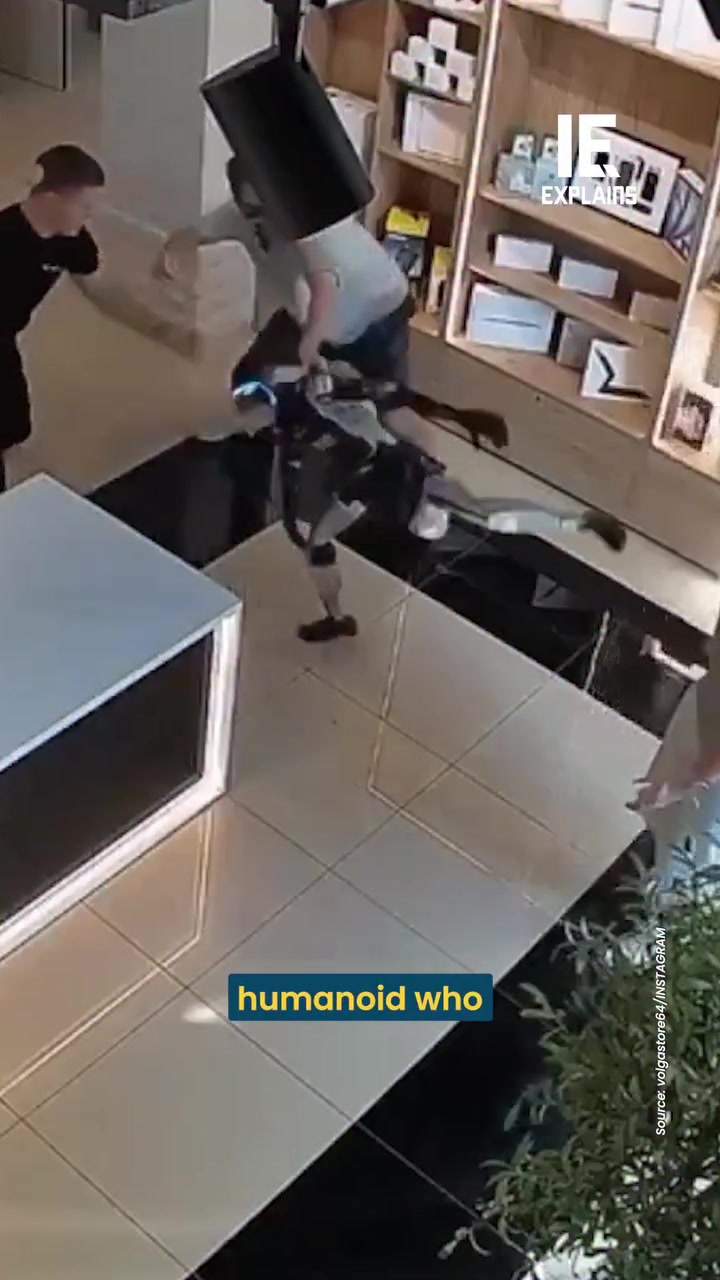
Human-like robots can kick. In Russia, a humanoid robot delivered a seemingly random kick to a customer who merely pushed it slightly. Videos of aggressive-looking robots, it seems, have become viral sensations. A balance controller keeps humanoids upright, but in mid-stride, it can look like some robots are deliberately attacking visitors. The Unitree robot moves more dynamically than its human-looking counterparts. Unitree's G1 robot is a dynamic machine that can mirror how humans balance. However, the G1 robot can also kick for sport, even fight back, and is built for more than an office setting.
The G1: Not Your Average Robot
The Unitree G1 isn't just a robot that moves with dynamic gaits but swings its limbs like a boxer. The G1 robot's performance is possible because of a powerful onboard computer that manages its movements, and a balance system that continuously adjusts to maintain equilibrium. This machine moves differently from the robots in Russia, EBK, or even the kickboxing tournament. The G1 robot can move forward and backwards, swing its limbs, and even perform kicks because it is designed to navigate uneven terrain. Unlike other humanoid robots, the G1 will fight back when prodded. This robot can stand upright on its feet without falling. It swings its hips and arms to balance itself. The robot will step to maintain balance when pushed. To a spectator, this swing might resemble a kick.
Not just an office robot
The G1 robot isn't just a robot for an office or shopping mall. The Unitree G1 robot is capable of so much more because it's built for different environments: it can move independently or be tethered to a device. The G1 robot can also be used in sports, such as kickboxing, where it will deliver a swift kick to a competitor. The robot can also be used in real-world situations, such as search and rescue, to assist in its capabilities. The Unitree G1 robot has a unique balance controller that runs constantly — it ensures it remains stable while walking on a variety of surfaces. The robot maintains balance on its own by swinging its hips and arms, and stepping to avoid falling. With its sensors, the G1 can see and hear its surroundings. The robot can also be programmed to respond to certain actions and conditions. The G1's balance controller helps it stay balanced in a variety of conditions. The robot can walk on uneven terrain, and even maintain balance while swinging its limbs to perform actions. When pushed, the robot will adjust its gait to avoid falling. The G1 robot is a high-performance robot capable of navigating complex terrain.
The core of the G1’s movement
The G1 robot's balance controller runs constantly to maintain its position. Here’s a breakdown of key factors that make the G1 a robust and resilient robot:
- Balance controller: The robot's balance controller is always running, using sensors to monitor its position and make adjustments
- Dynamic gait: The robot's dynamic gait allows it to perform a variety of actions, including kicking
- Sensors: The robot's sensors help it navigate its environment. They enable it to walk on uneven terrain and avoid obstacles
How the robot’s movements are perceived
The robot's movements are interpreted by viewpoints. From the outside, it can appear as if the robot is attacking a person. A robot moving across a tiled floor might look as if it is attacking someone. People watching it may not understand that the robot uses a dynamic gait. The robot swings its hips and arms to maintain balance as it steps. A sudden movement might look like a kick, but it’s just the robot adjusting its weight.
The effect of pushing the robot
The G1 Robot might look like it's kicking out when pushed. It's not an act of aggression. When visitors pushed the robot sometimes, it looked as if the robot was kicking back. What viewers may not realise is that the robot is designed to move in a way to keep its balance and remain upright. Pushing the robot does not cause anger, but the device can swing its hips and arms to regain balance. The robot may appear to push people or swing its arms as if it's fighting back. People may think the robot is angry, but the robot is not in "fight mode". The robot's kicks might just be its way of moving, or a chance encounter with a demo mode that is triggered by a slight push.
The Range of Robot Locomotion
Viral videos of humanoid robots pushing and kicking people are sending a ripple through the public consciousness. In Russia, a humanoid robot kicked a customer who had just pushed it. The robot could be "angry". Across the world, robots were able to walk, move, push and punch. Conversely, robots are used for searching and rescuing. The capabilities of robots that use dynamic gaits and have advanced controllers can make them versatile tools. Currently, the public can participate in robotics and engage with robotics at an entry level. Some people wonder how robots move and why they do it. Robots can kick and walk, but they also can benefit people's lives and work to support or to help.
Robots and Reality
Both the public perception of robots as friendly and functional and the reality of robotics are evolving. Videos of malevolent actions and viral sensations of robots can create misconceptions. People may think the robot was acting in anger. Some viewers may think it's fighting back. Robotics, however, is moving closer to solving real-world problems. Robots can work in complex terrain and assist with searching. They can help those in danger and become an integral part of the future. Kickboxing robots and search robots can offer opportunities for humans to engage with robotics.
Evaluating the robot in daily life
People often want to understand robots and their capabilities. The public perception of robots can often be at odds with the reality of robotics. The G1 robot can walk, run, and even kick. The robot is capable of performing more than the standard office assistant or shopping mall robotics. The robot can search or rescue people that are in danger.
- Observe the robot’s movements: Are you curious about the way a robot moves and why? Watch the robot's movements and it's easy to see how it performs dynamic gaits or uses its balance controller to maintain equilibrium
- Interact with a robot: Do you want to know more about how a robot moves? Try pushing a robot. The robot will swing its arms or hips and step in response
Cybernetic futures and machines
The G1 robot’s capabilities seem to be a sign of robotics' future. When a robot can perform kickboxing or dynamic gaits, it can perform a variety of actions in its day to day activities. The future of robotics will be an age of versatility and capability. The G1 robot will help lead the way.
Watch the Reel
Questions readers ask
What makes the Unitree G1 different from other humanoid robots like the one in Russia?
The Unitree G1 stands out because it moves more dynamically and is designed to navigate uneven terrain. Unlike the robot in Russia, the G1 can perform a variety of actions like kicking, and it has a sophisticated balance controller that allows it to maintain stability even when pushed or prodded. This makes it suitable for environments beyond just offices or shopping malls.
How does the Unitree G1 robot maintain its balance?
The G1 uses a powerful onboard computer and a continuous balance controller. This system constantly adjusts the robot's movements to keep it upright, even on uneven surfaces. It swings its hips and arms to balance itself and can step to avoid falling when pushed.
Can the Unitree G1 robot be used for real-world applications beyond entertainment?
Yes, the G1 is designed for a range of applications. It can be used in sports like kickboxing, and it is also suitable for real-world situations such as search and rescue missions. Its ability to navigate complex terrain and maintain balance makes it versatile for various environments.
What kind of sensors does the Unitree G1 use to navigate its environment?
The G1 is equipped with sensors that allow it to see and hear its surroundings. These sensors help it to walk on uneven terrain and avoid obstacles. Additionally, the robot can be programmed to respond to certain actions and conditions, making it highly adaptable to different situations.
Is the Unitree G1 robot capable of fighting back if provoked?
Yes, the G1 is designed to fight back when prodded. Its dynamic movements and powerful onboard computer allow it to respond to physical interactions, such as being pushed, by adjusting its gait and potentially delivering a kick. This makes it different from other humanoid robots that might simply fall or remain stationary when challenged.
How does the Unitree G1 robot's dynamic gait contribute to its performance?
The G1's dynamic gait allows it to perform a variety of actions, including kicking and swinging its limbs. This gait is crucial for its ability to navigate uneven terrain and maintain balance, making it a high-performance robot capable of handling complex movements and environments.
What makes the Unitree G1 robot suitable for sports like kickboxing?
The G1's dynamic movements and balance controller make it ideal for sports like kickboxing. It can deliver swift kicks and maintain stability during intense physical interactions, which is essential for competitive scenarios. Its ability to adapt to different terrains and conditions also enhances its performance in such dynamic environments.
Related deep dives
Similar reads based on topic and creator.


Recent articles
Fresh deep dives from the latest Reels we unpacked.




Comments
Be the first to comment.