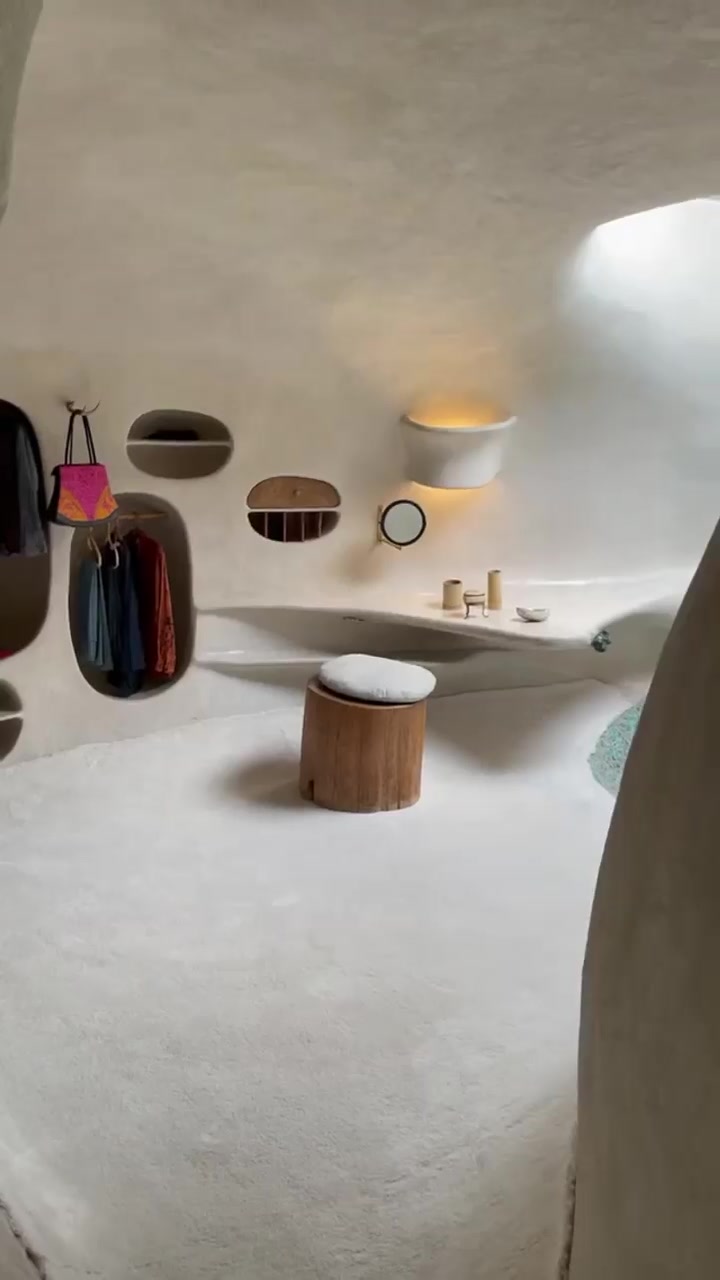
From the smooth curve of a kitchen wall to the inviting glow of a sunken outdoor lounge, the design world loves its curves. Imagine feeling the warmth of a gentle light, especially in spaces where the right angles used to dominate. The gentle arc of a seating zone brings an unexpected intimacy just as seamlessly as a circle opening in a wall casts warm, orange light.
The curves that make spaces sing
Design professionals are increasingly drawn to smooth outlines. Emphasizing rounded features in both architecture and interior design creates designs that are appealingly unconventional, relaxing, and perform seamlessly. Niches built into curved kitchen walls maximize storage without compromising style. Outdoor spaces are defined by curved seating, and a circular opening in a wall, casting warm orange light. Curved seating units and sunken spaces create intimate and secluded spaces. It is about making use of the space and incorporating natural sceneries. Greenery frame these spaces adding to the natural ambiance.
The rise of the curve in everyday design
Curved designs are part of a broader cultural shift in design. From the organic lines of Scandinavian design, to the biomimicry of the natural world, nature's patterns are shaping modern architecture and interior design. Curved designs are particularly prevalent in spaces meant for relaxation. The tough angular silhouettes of our cities are giving way to fluid, curved contours. Curved surfaces in both indoor and outdoor spaces are growing increasingly popular. Circles and soft curves pervade the public spaces and homes. A circular opening in a wall to cast warm orange light is a common theme.
The anatomy of the curve
Curved Spaces and their Impact
Curved spaces set a serene, welcoming mood, especially when illuminated with soft, natural light. These spaces are defined in part by how they frame greenery, creating a sense of harmony with nature.
The subtle strength of the arc
One of the key aspects of the arc is that they are able to turn a location into a secluded space. These curves are designed to create a relaxing and intimate experience.
Curved seating and sunken spaces
Seating is a key component of a curated space. Their design helps to create a cozy and inviting environment. The green spaces in the vision data frame these spaces and add a natural touch to the space.
Circular openings and their light play
The circular openings in walls focus the sun's rays into a dramatic orb of orange light, creating a warm and inviting atmosphere. The integration of architecture and natural light is a key aspect of a space design.
Designing Curved Spaces in Your Own Home
Incorporating curved designs into your own space can be as simple or as complex as you like. Follow the tips below to get the most out of curved designs:
- Layered lighting: Use both ambient and accent lighting to emphasize curves.
- Green accents: Place plants in various spots to frame curved walls or seating units.
- Minimal furniture: Keep furniture to a minimum to emphasize the curves.
- Curved furniture: Utilize furniture with rounded edges.
- Curved walls: Use rounded walls to draw people in, adding coziness to rooms.
- Curved walkways: Curved pathways frame the outdoor spaces.
- Minimal Clutter: Curved spaces work best when they are minimalist spaces.
- Concave and Convex shapes: Use chairs and tables with both concavely and convexly curved surfaces.
- Curved Kitchen: Use curved walls to frame kitchen appliances and hardware.
- Green areas: Define outdoor seating with greenery.
Curves have a musical note
The arc is a gentle note in a complex symphony. The soft arc leaves subtle impressions on the mind, inducing relaxation and serenity. Curves connect us back to nature, to the pelvis of a woman, and the flow of water. Arcs are more than a design device, they're a design philosophy.
Watch the Reel
Questions readers ask
What makes curved kitchen walls so appealing in modern design?
Curved kitchen walls are appealing because they blend form and function, creating inviting and naturally lit spaces. They break away from the traditional right angles, adding a unique and relaxing touch to modern interiors. Plus, they maximize storage with niches built into the curves.
How do curved walls impact the lighting in a space?
Curved walls can dramatically enhance lighting by framing natural light and creating a serene, welcoming mood. For instance, circular openings in walls can focus sunlight into a warm, inviting orb of orange light, seamlessly integrating architecture with natural illumination.
What are some practical steps to incorporate curved designs into my own home?
You can start by using layered lighting to emphasize curves, placing plants to frame curved walls, keeping furniture minimal, and using curved furniture. For a more dramatic effect, consider building curved walls to draw people in and create a unique atmosphere.
How do curved designs compare to traditional straight-line designs?
Curved designs offer a more organic and inviting feel compared to traditional straight-line designs. They create a sense of intimacy and relaxation, while also maximizing the use of space. Traditional designs, on the other hand, can feel more rigid and less welcoming.
Can curved designs be integrated into outdoor spaces as well?
Absolutely. Curved designs are not limited to indoor spaces. Outdoor spaces can benefit greatly from curved seating units and sunken areas, which create secluded and intimate environments. The inclusion of greenery further enhances the natural ambiance.
What role do circular openings play in curved design?
Circular openings in walls are a key feature of curved design, as they allow natural light to cast a warm, orange glow, creating a dramatic and inviting atmosphere. These openings help to integrate architecture with natural light, making the space feel more harmonious and welcoming.
Related deep dives
Similar reads based on topic and creator.




Recent articles
Fresh deep dives from the latest Reels we unpacked.



Comments
Be the first to comment.