The Jamaican Flag: A Unique Symbol of Caribbean Heritage
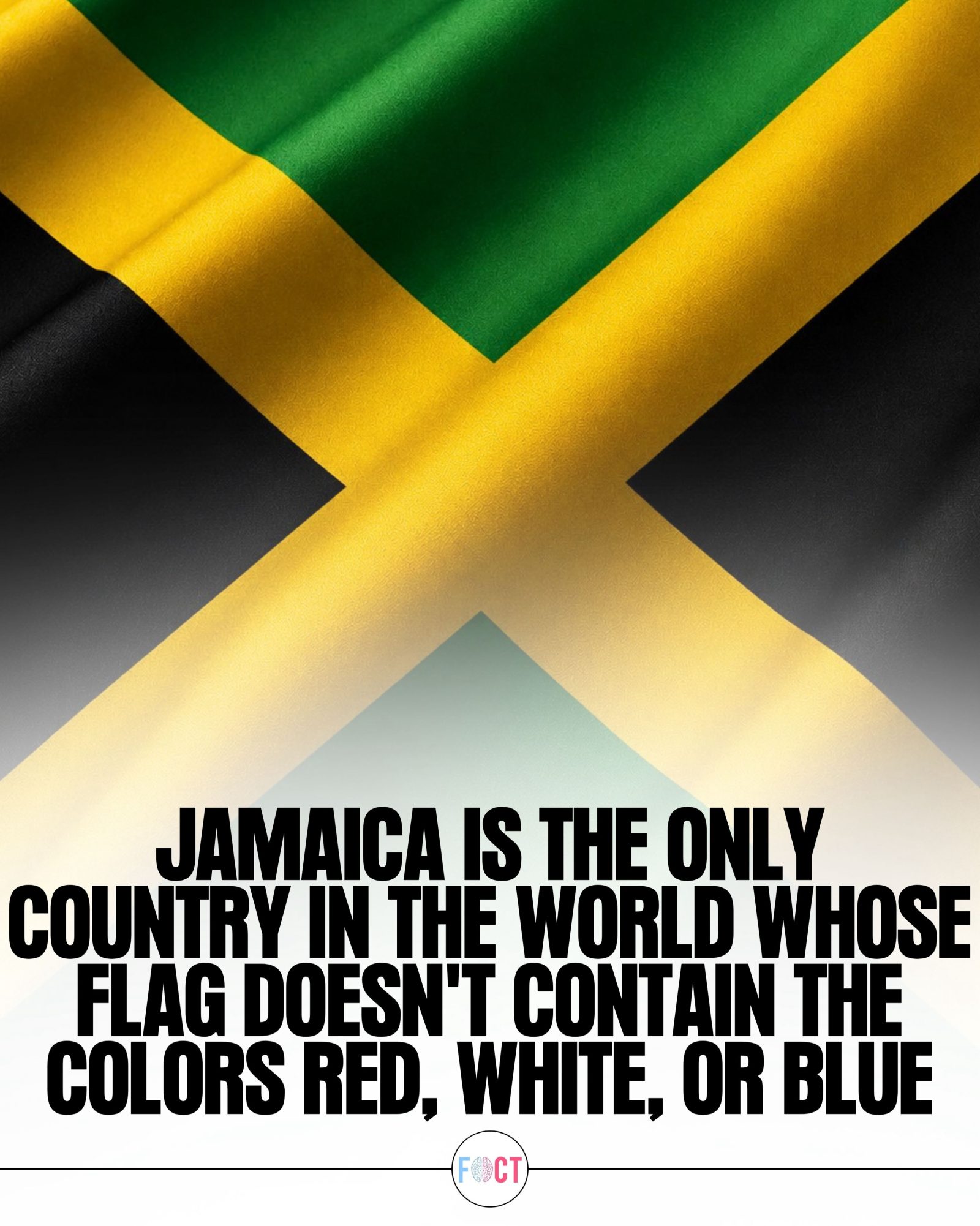
The Jamaican flag stands out as a distinctive emblem of national identity and heritage, adopted on 6 August 1962, the day Jamaica gained independence. This flag is the only national flag that does not include the traditional colors of red, white, or blue. Instead, it features a gold saltire that divides the flag into four sections: two green and two black. This unique design and its historical significance merit a deeper look.
Context: Why This Matters
Understanding the Jamaican flag delves into the island's rich history and cultural narrative. This national symbol's distinct design and colors have birthed much interest around the world. Not only is it a symbol of national pride for Jamaicans, but it also represents the rich heritage of the Caribbean region. As a result, it's a subject of interest for many people, regardless of nationality.
The Meaning of the Jamaican Flag
The Design: A Gold Saltire
The Jamaican flag's design features a gold saltire, a diagonal cross that divides the flag into four equal sections. The top and bottom sections are green, while the left and right sections are black. The gold saltire itself represents the sunshine and the wealth of the country. This design is not just aesthetically pleasing but also deeply symbolic.
The Colors: Significance and Symbolism
Of the three colors in the flag, each carries a unique and profound meaning:
-
Gold: This color is associated with the sun and the natural wealth of the country. It symbolizes the warmth and radiance of the tropical sun, as well as the country's mineral and natural resources.
-
Black: Originally, black signified the hardships the country had faced. However, in 1996, the meaning of this color was revised to represent the strength and creativity of the Jamaican people, allowing them to overcome difficulties.
-
Green: This color represents the lush vegetation of the island and the hope for a prosperous future. It symbolizes the land's fertility and the promise of growth and development.
The combination of these colors and their meanings makes the Jamaican flag a powerful and inspiring symbol of national identity and heritage.
The Evolution of Symbolism
The interpretation of the Jamaican flag's colors has evolved since its adoption in 1962. Initially, the colors were interpreted as signs of hardship, the natural beauty of the land, and the radiant sunshine. However, in 1996, the government revised the meaning of the black color to represent the strength and creativity of the Jamaican people, reflecting a shift in the nation's perspective and values.
The Historical Significance of the Jamaican Flag
Adoption and Independence Day
The flag of Jamaica was officially adopted on 6 August 1962, coinciding with the country's Independence Day. This date marks the culmination of Jamaica's struggle for independence from the British-protected Federation of the West Indies. The flag, with its unique design and colors, became a symbol of the island's newly gained sovereignty and national pride.
The Flag and National Identity
The Jamaican flag has become an integral part of the country's national identity. It is proudly displayed during national holidays, sporting events, and other cultural celebrations. It serves as a reminder of the country's rich heritage, as well as the struggles and triumphs of its people.
Practical Tips for Displaying and Honoring the Jamaican Flag
Protocols for Displaying the Flag
When displaying the Jamaican flag, it is essential to follow certain protocols to ensure respect and dignity. Here are some practical tips:
- Always display the flag in a clean, undamaged condition. Avoid any unnecessary folding or creasing of the flag.
- Display the flag on a staff or pole, and ensure it is securely fastened.
- Maintain a respectful distance from the ground, ideally at a height equivalent to the flag's length.
- Ensure the flag is displayed uniformly and symmetrically.
Ceremonies and Customs
The Jamaican flag is a symbol of national pride, and it is essential to honor it during ceremonies and customs. Here are some tips for doing so:
- The Jamaican flag is hoisted at sunrise and lowered at sunset. This ritual signifies the beginning and end of the day, as well as the continuity of the nation.
- During official ceremonies, the flag is often accompanied by the national anthem, "Jamaica, Land We Love." It is customary to stand at attention and sing along or observe a moment of silence.
- When the flag is lowered, it should not touch the ground. It is appropriate to accompany this ritual with the playing of "Reveille," a military bugle call.
- The national flag should be flown at half-mast during national mourning or to mark the passing of a prominent national figure.
Important Takeaways
The Jamaican flag is a unique and powerful symbol of national identity and heritage. Its design, colors, and historical significance make it a cherished emblem for the people of Jamaica. The flag's distinctiveness, with its gold saltire and absence of the traditional red, white, or blue colors, sets it apart from other national flags. The flag's design and colors hold profound meanings that reflect the country's landscape, history, and the resilience of its people.
Conclusion
The Jamaican flag is a vibrant and meaningful symbol that represents the rich heritage and national pride of the island. Its unique design and colors convey a deep sense of identity and heritage, making it a beloved emblem for the people of Jamaica. Whether displayed during national holidays, sporting events, or other cultural celebrations, the Jamaican flag serves as a powerful reminder of the country's history, culture, and the resilience of its people.
Watch the Reel
Questions readers ask
What do the colors of the Jamaican flag represent?
The colors of the Jamaican flag hold deep symbolic meaning. The gold represents the wealth of the country, both in terms of natural resources and the spirit of the people. Black signifies the strength and creativity of the Jamaican people, while green symbolizes the lush, fertile land and the hope for a prosperous future. These colors are vivid and stand out as they are unique and do not conform to conventional flag designs.
Why is the gold saltire design significant on the Jamaican flag?
The gold saltire, or diagonal cross, is a unique feature of the Jamaican flag and it serves as a central element. It divides the flag into four sections, two of which are green and two are black. This design was chosen to represent the unity of the people and the diversity of their experiences. The saltire was also adopted because it is a symbol of the cross that Christopher Columbus is said to have observed on the island.
When was the Jamaican flag first adopted?
The Jamaican flag was first adopted on August 6, 1962, which is the same day that Jamaica gained its independence from the United Kingdom. This date is significant as it marks the beginning of Jamaica's self-governance and national sovereignty, making the flag a powerful symbol of the country's identity and independence.
How does the Jamaican flag differ from other Caribbean flags?
The Jamaican flag is distinctive because it does not use the traditional colors of red, white, or blue, which are common in many other national flags, including those of other Caribbean countries. Instead, it features a unique combination of gold, black, and green, with a bold saltire design. This makes the Jamaican flag stand out and reflects the country's unique cultural heritage and historical narrative.
What is the significance of the green and black sections on the Jamaican flag?
The green sections of the Jamaican flag represent the lush, fertile land and natural beauty of the island, as well as the hope for a prosperous future. The black sections signify the strength and creativity of the people, symbolizing resilience and perseverance. Together, these colors convey a sense of unity and hope, reflecting the aspirations and resilience of the Jamaican people.
Why was gold chosen as the color for the saltire on the Jamaican flag?
Gold was chosen for the saltire to represent the natural wealth of Jamaica, including its minerals and resources. Additionally, gold signifies the warmth and richness of the people, embodying the spirit of the Jamaican people and their rich cultural heritage. The color choice was also influenced by the historical significance of gold in the Caribbean, representing both its natural treasures and the enduring spirit of the country.
Related deep dives
Similar reads based on topic and creator.




Recent articles
Fresh deep dives from the latest Reels we unpacked.




Comments
Be the first to comment.