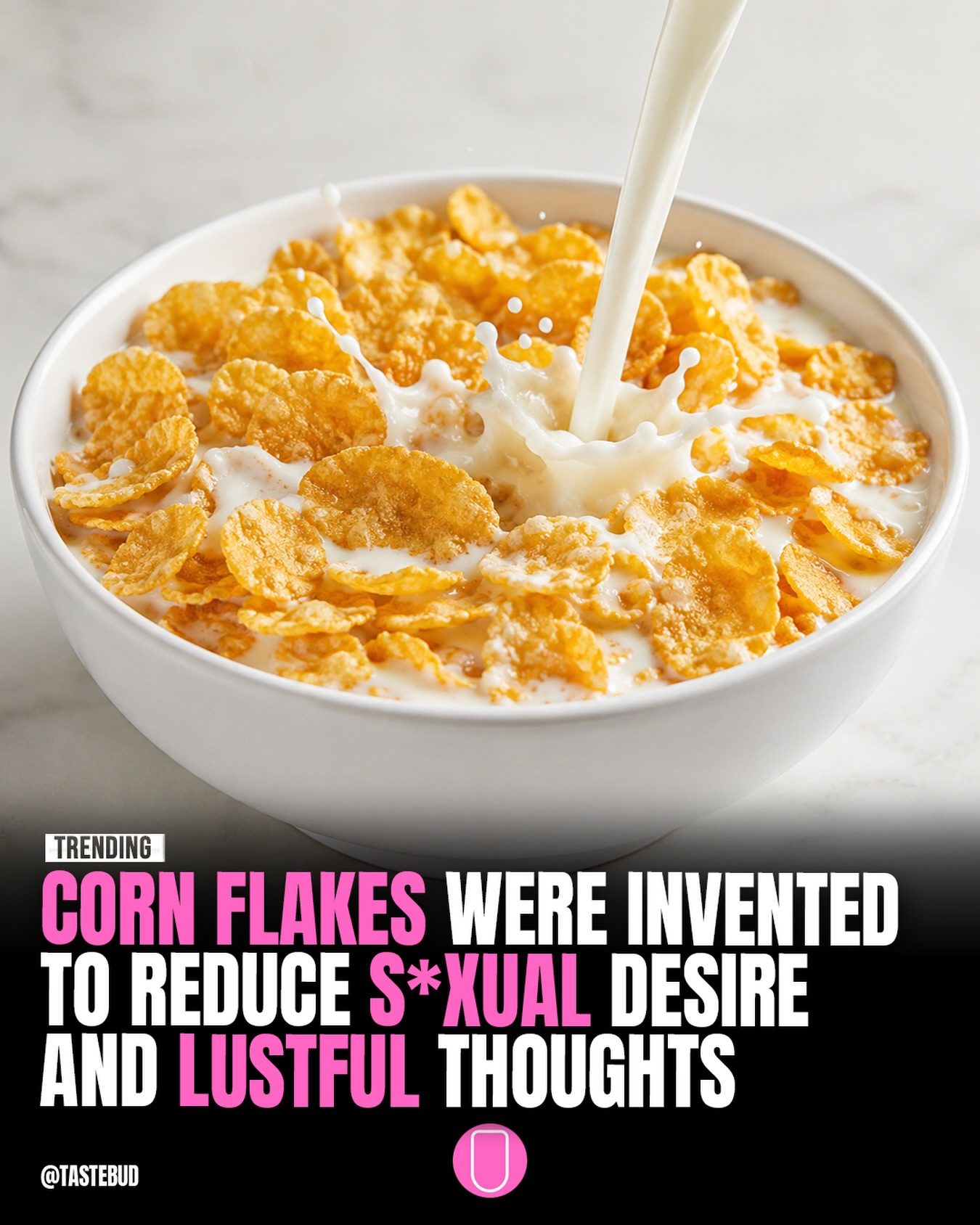
Corn Flakes and Their Surprising Origin
Corn flakes, a staple breakfast cereal for many, have an interesting backstory that dates to the late 1800s. Created by John Harvey Kellogg, this cereal was initially developed with a specific purpose in mind: to promote healthy living and reduce unhealthy habits. Kellogg believed that bland foods could help individuals maintain discipline and curb desire. The original intention behind corn flakes was rooted in a broader health regimen that emphasized simplicity and restraint — ideals that shaped the early marketing of the cereal.
Why This Matters
Understanding the origins of corn flakes provides a fascinating glimpse into the evolution of modern breakfast cereals. What started as a health food with specific dietary restrictions has evolved into a versatile breakfast option available in various flavors and forms. The story of corn flakes offers a unique perspective on how societal attitudes towards health and nutrition have changed over time.
The Creation and Evolution of Corn Flakes
The Early Days
John Harvey Kellogg, a prominent figure in the late 19th century, was a health reformer and a strong advocate for a disciplined diet. He believed that a diet consisting of bland, simple foods could aid in reducing unhealthy habits and fostering self-control. This belief was a central part of his work at the Battle Creek Sanitarium in Michigan, where he aimed to promote wellness through diet and exercise.
Kellogg's experiments with various grains led to the creation of corn flakes. Initially, the process involved cooking wheat and allowing it to ferment, then rolling it thin and baking it into flakes. The result was a new form of cereal that was simple, nutritious, and designed to support a disciplined lifestyle.
The Shift in Marketing
While the original intent of corn flakes was deeply rooted in health and discipline, the cereal's marketing eventually shifted. Over time, as consumer tastes evolved, the focus moved away from strict health ideas and towards a more diverse and palatable product. Modern corn flakes are now marketed as a convenient and enjoyable breakfast option, rather than a tool for self-control.
The original intention of corn flakes is often exaggerated online, but it is rooted in real historical beliefs. The shift from a strictly disciplined health food to a more mainstream breakfast option reflects broader changes in dietary attitudes and marketing strategies.
The Humorous Misconceptions
One of the most intriguing aspects of corn flakes is the humorous misconception often associated with them. The statement that "corn flakes were invented to reduce sexual desire and lustful thoughts" is a playful misinterpretation of the original goal behind the cereal. While Kellogg's ideas were indeed focused on promoting discipline and reducing desires, the idea that corn flakes could specifically curb sexual desire is a modern exaggeration.
The truth is that corn flakes were part of a broader dietary philosophy that emphasized simplicity and restraint. Kellogg believed that a diet of bland foods could help individuals maintain self-control and reduce unhealthy habits, but this was not specifically targeted at reducing sexual desire.
Practical Tips for Enjoying Corn Flakes
Choosing the Right Cereal
While the history of corn flakes is fascinating, the practical aspect of enjoying this cereal is just as important. When choosing a cereal, consider the following tips:
- Read the Label: Look for cereals that are low in sugar and high in fiber. The original corn flakes were simple and nutritious, and modern variations can still offer similar benefits.
- Experimentation: Don’t be afraid to experiment with different flavors and textures. Modern corn flakes come in a variety of forms, from honey-nut to chocolate and even organic options.
- Portion Control: Even with the healthiest cereals, portion control is key. While corn flakes can be a part of a healthy diet, it’s important to pair them with nutritious milk or yogurt and avoid overdoing it.
Pairing with Milk
The classic pairing of corn flakes with milk is a timeless combination. When choosing your milk, consider the following:
- Dairy vs. Non-Dairy: Traditional milk complements corn flakes perfectly, but non-dairy alternatives like almond, oat, or soy milk can also work well. Experiment to find your favorite.
- Temperature: Some people prefer their milk cold, while others like it warm. The choice is entirely up to your personal preference.
Beyond Breakfast
Corn flakes aren't just for breakfast anymore. The cereal’s crispy texture and sweet taste make it a versatile ingredient in various recipes. Here are a few ideas to spice up your cereal:
- Crushed Cereal Topping: Use crushed corn flakes as a topping for yogurt, fruit salads, or even ice cream.
- Baked Goods: Incorporate corn flakes into muffins, cookies, or bread for added crunch and flavor.
- Cereal Trail Mix: Combine corn flakes with nuts, dried fruits, and chocolate chips for a quick and easy snack mix.
Important Takeaways
Corn flakes have evolved from a disciplined health food to a versatile breakfast option. The original intention behind the cereal was to promote discipline and reduce unhealthy habits, but modern versions are enjoyed for their taste and convenience. Understanding the history of corn flakes provides valuable insights into the cultural evolution of dietary habits and marketing strategies. Whether you’re a fan of the classic corn flakes and milk combo or enjoy experimenting with new breakfast ideas, there’s always a way to incorporate this timeless cereal into your routine.
Conclusion
The story of corn flakes is more than just a breakfast choice—it’s a journey through dietary evolution. From its humble beginnings as a health product to its current status as a beloved breakfast staple, corn flakes have captured the interest of many. The next time you pour a bowl of corn flakes, consider the rich history and the fascinating origins behind this morning staple.
Watch the Reel
Related deep dives
Similar reads based on topic and creator.




Recent articles
Fresh deep dives from the latest Reels we unpacked.




Comments
Be the first to comment.