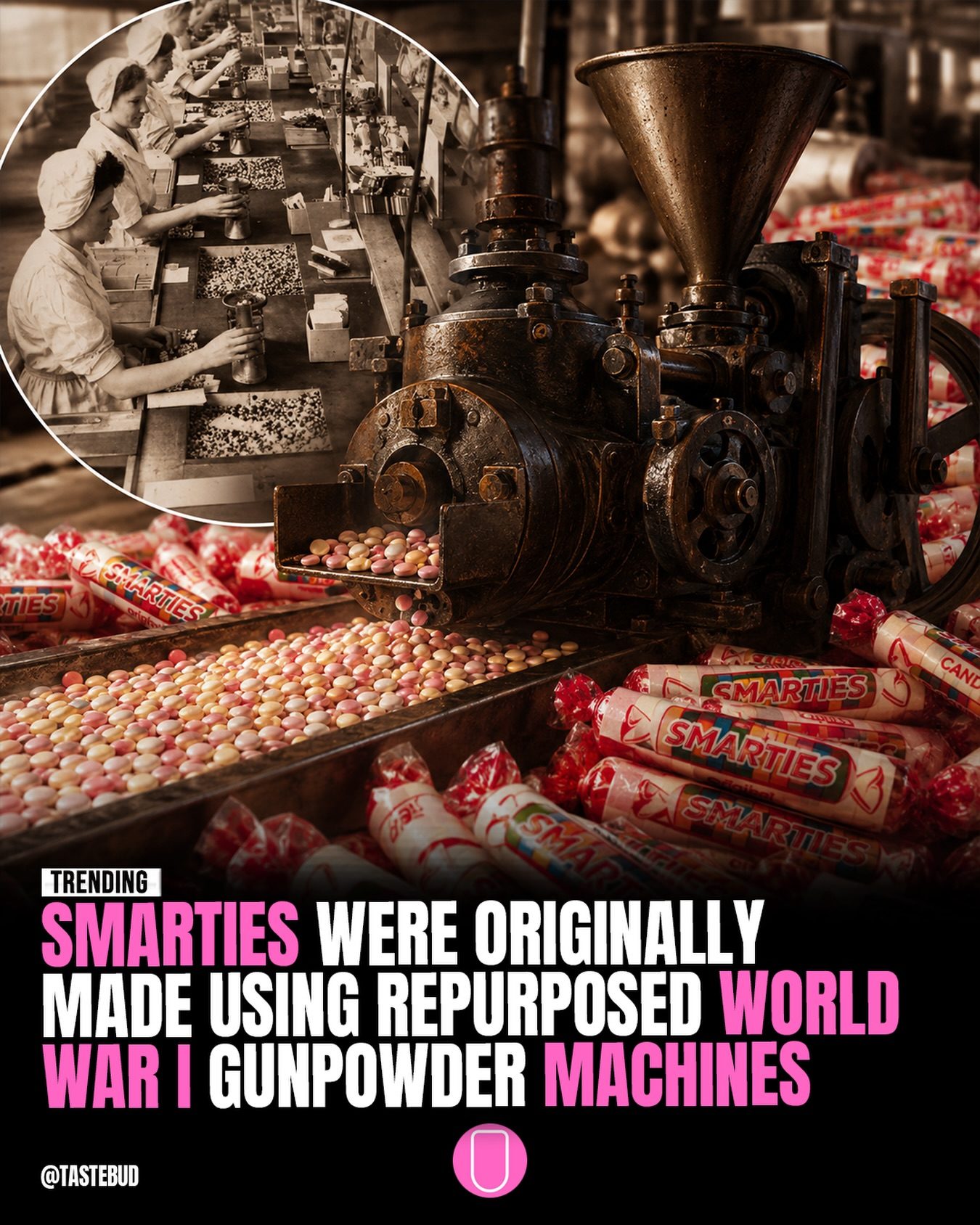
Candy Manufacturing History: The Surprising Tale of Smarties
The humble candy we know today has an unexpected origin story, intertwined with the machinery of war. In 1949, a machine originally designed to press gunpowder pellets during World War I was repurposed to create small sugar candies, which would eventually become the iconic Smarties.
Why This Matters
Understanding the history of candy manufacturing not only provides a fascinating glimpse into the past but also sheds light on the ingenuity and adaptability of manufacturers. This story isn't just about candy; it's about the resourcefulness of humanity, turning tools of conflict into treats enjoyed by millions.
The Unlikely Birth of Smarties
From Battlefields to Candy Factories
The story of Smarties begins in a rather unconventional place: the battlefields of World War I. The machinery used to produce gunpowder pellets was eventually repurposed for a much sweeter purpose. This transition exemplifies how post-war innovation can lead to unexpected and delightful outcomes.
In the late 1940s, as the world recovered from the devastation of war, manufacturers sought new ways to utilize the machinery that had once produced ammunition. The repurposing of these machines to create small, colorful sugar candies marked the beginning of the Smarties phenomenon. The candies, originally known as "Chocolate Chips," were later renamed to Smarties to align with the more playful and vibrant image of the treats.
The Evolution of Candy Production
The repurposing of machinery wasn’t just a one-time event. It set a precedent for how candy manufacturing could evolve. The processes that were once used for pressing gunpowder pellets into a uniform shape were adapted to create small, perfectly round candies. This required a significant amount of tinkering and innovation, ensuring that the machinery could handle the delicate nature of sugar and colorants.
The original machinery, while robust, required modifications to handle the delicate ingredients of candy. These modifications included altering the pressure settings and adding mechanisms to ensure the candies maintained their shape and consistency. The result was a unique candy that not only tasted great but also had a uniform shape and appearance, making it instantly recognizable.
Practical Tips for Candy Making at Home
If you’re inspired by the history of Smarties and want to try your hand at candy making, here are a few practical tips to get you started:
Equipment and Ingredients
-
Basic Equipment:
- Molds and Cutters: Invest in candy molds or cutters to achieve the perfect shape for your candies. Silicone molds are particularly useful as they are easy to clean and release the candy without breaking it.
- Thermometer: A candy thermometer is essential for ensuring your sugar mixture reaches the right temperature. Different types of candy require different temperatures, and a thermometer will help you achieve the desired consistency.
- Mixing Bowls and Pans: Use stainless steel bowls and pans for better heat distribution and easier cleaning.
-
Ingredients:
- Sugar: The primary ingredient in most candies. Make sure to use granulated sugar for its fine texture and quick dissolution.
- Coloring and Flavoring: Food coloring and flavoring extracts can add vibrant colors and delicious flavors to your candy. Be sure to use high-quality, food-grade additives.
- Corn Syrup or Glucose: This helps prevent crystallization and ensures a smooth, glossy finish.
Techniques for Success
-
Melting and Combining Ingredients: When melting sugar, do so over medium heat and stir occasionally to ensure even melting. Adding corn syrup or glucose at the beginning can prevent crystallization.
-
Cooling and Setting: After melting and combining your ingredients, pour the mixture into your molds or onto a prepared surface. Allow the candy to cool and set completely before removing it from the mold. This can take anywhere from a few minutes to an hour, depending on the type of candy.
-
Cooling and Storage: Store your candies in an airtight container at room temperature to maintain their texture and flavor. Avoid exposing them to humidity, as this can cause them to become sticky or lose their crispness.
Important Takeaways
The story of Smarties highlights the versatility and adaptability of manufacturing processes. It shows how historical events and machinery can be repurposed to create entirely new products that bring joy to millions of people. This tale also underscores the importance of innovation and resourcefulness in manufacturing.
Conclusion
The journey of Smarties from war machines to candy factories is a testament to human ingenuity. It reminds us that even in the aftermath of conflict, there is always the potential for creativity and progress. Whether you're a candy enthusiast or a history buff, this story offers a unique perspective on the intersection of war and confectionery, proving that sometimes, the sweetest things come from the most unexpected places.
Watch the Reel
Questions readers ask
How did World War I influence the creation of Smarties candy?
The machine used to produce Smarties was originally designed during World War I to press gunpowder pellets. After the war, this equipment was repurposed for candy manufacturing, marking a unique transition from military to confectionery use.
What was the first type of candy produced by the repurposed gunpowder machine?
The repurposed gunpowder machine initially produced small sugar candies. These candies would later evolve into the iconic Smarties we know today.
How does the history of Smarties reflect post-war innovation?
The story of Smarties demonstrates how post-war innovation turned tools of conflict into beloved treats. This adaptation highlights the resourcefulness of manufacturers in finding new uses for existing technology.
Who were the innovators that repurposed the gunpowder machines for candy production?
The article does not specify the innovators by name, however it highlights their ingenuity and adaptability. These individuals played a crucial role in transforming wartime machinery into a tool for confectionery production, laying the foundation for Smarties' unique origin.
What unique aspects of Smarties' production history make it notable in the candy industry?
Smarties' production history is notable for its unusual origins and the innovative repurposing of machinery. The transition from gunpowder pellets to candy production makes it a standout tale in the candy industry.
When did the repurposed gunpowder machine begin making Smarties?
The repurposed gunpowder machine began making the candies that would eventually become Smarties in 1949. This marked the start of Smarties' journey from wartime invention to popular confectionery.
What does the history of Smarties reveal about the adaptability of manufacturers?
The history of Smarties reveals the remarkable adaptability of manufacturers. By repurposing a gunpowder machine for candy production, they turned a tool of war into a source of joy for millions, showcasing human ingenuity.
Related deep dives
Similar reads based on topic and creator.




Recent articles
Fresh deep dives from the latest Reels we unpacked.




Comments
Be the first to comment.