The Enigma of Submerged Ruins
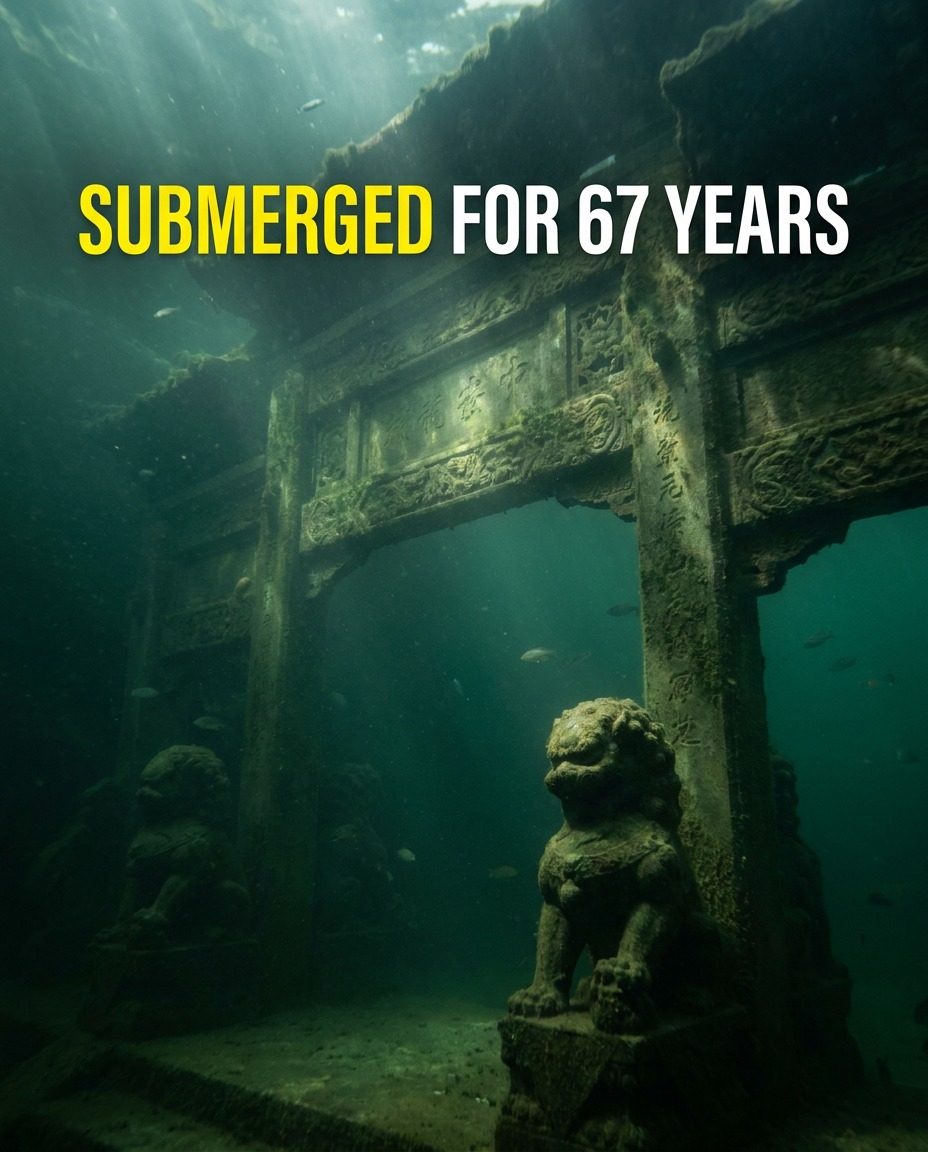
Submerged ruins evoke a sense of mystery, hinting at ancient civilizations lost to the depths of time. A marvel of archaeology is underwater structures — remnants of history that have been swallowed by the sea. In one scene, a structure submerged for 67 years is visible, guarded by a stone lion statue. The image of a stone lion standing sentinel over the ruins offers a glimpse into the grandeur of these long-forgotten civilizations. The murky, green water creates an elusive atmosphere, but many underwater ruins have not been as well preserved as this one. The water can be both a tomb and a preservative. The water that covers this ancient structure may have protected it from the ravages of time, offering a unique insight into ancient construction techniques. The water itself can also act as a preservative, slowing the decay process. In many cases, the cool, dark environment underwater prevents the growth of bacteria and fungi that would otherwise degrade the structures. In this case, the water does not seem to hinder the visualization of the ruins.
Civilizations Lost to the Sea
While many underwater ruins have been documented and studied, numerous others remain undiscovered. The Sumerian city of Ur, for example, is a well-known site. However, the submerged ruins in the green water might belong to a lesser-known civilization, hinting at the vastness of history. Historical records and legends often speak of cities that have been lost to the sea. The underwater ruins could provide clues to these stories, offering tangible evidence of their existence. Decades of research reveal that the city of Dvaraka is mentioned in ancient Sanskrit texts has submerged structures.
What Lies Beneath
Yet, underwater exploration is fraught with challenges. The hostile environment of underwater ruins makes them difficult to access. The murky, green water visible in the scene obscures the view, making it hard to conduct detailed analyses. The presence of marine life, including claim, can also disrupt conservation efforts. Exploration requires specialized equipment and expertise. Scientists use drones and sonar technology to map out underwater sites. However, the exploration remains limited by the technology available. The water’s green coloration might be a result of light filtering through the water. Nevertheless, it makes preserving and recovering such ruins a daunting task.
The Enduring Allure of Lost Civilizations
Submerged ruins continue to captivate the imagination. To archaeologists, they are a treasure trove of information. To the public, they are a source of fascination and mystery. To wrongdoers, they can offer treasures. For these reasons, underwater ruins are at the forefront of historical research. Their value lies not just in the artifacts they might contain, but in the stories they tell about human history. The ruins offer a unique opportunity to study the architecture and culture of ancient civilizations far away from modern human activity. The stone lion statue could be a significant clue to where the civilization worshipped. Moreover, their preservation underwater provides a unique perspective on the effects of the environment on historical sites. The murky, green water might contain microscopic lifeforms or other elements that contributed to the preservation.
Watch the Reel
Related deep dives
Similar reads based on topic and creator.


Recent articles
Fresh deep dives from the latest Reels we unpacked.




Comments
Be the first to comment.