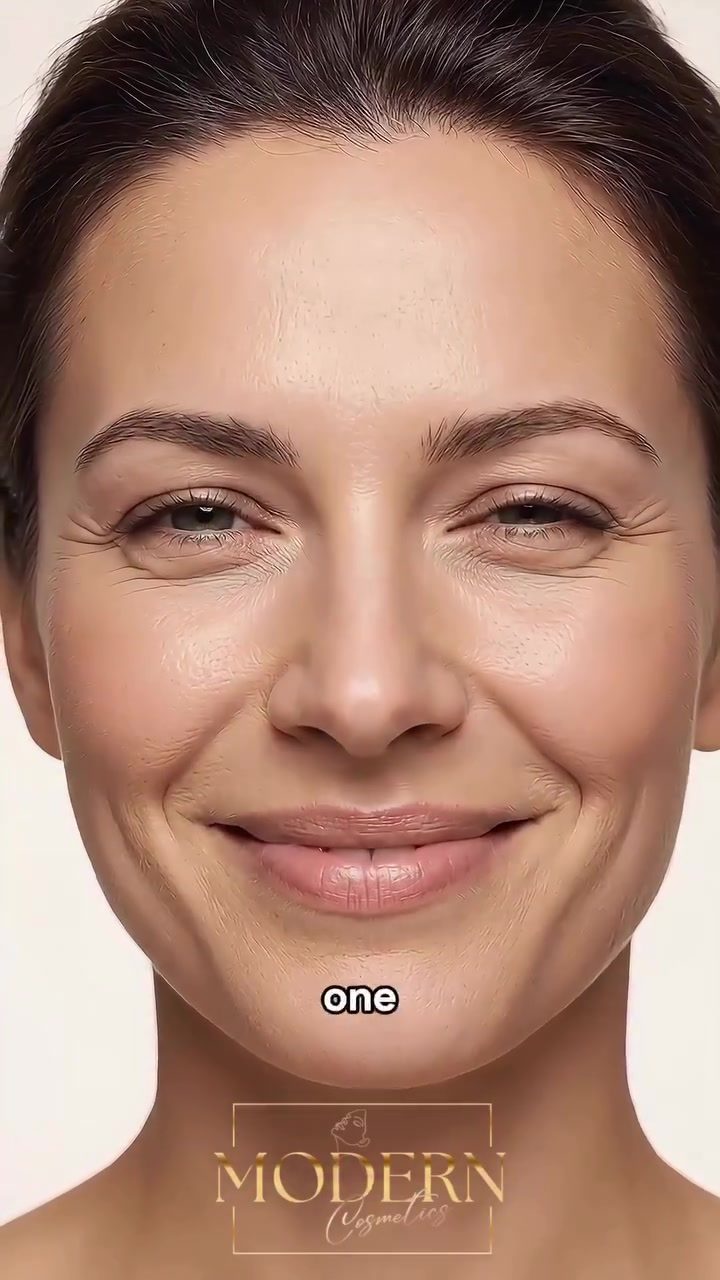
Smile Asymmetry: Understanding Facial Muscle Movement
Ever noticed that one eye squints a little more than the other when you smile? This phenomenon, known as smile asymmetry, is quite common and is often a result of the unique way our facial muscles work. Let's delve into the fascinating world of facial anatomy and explore why this happens.
Why This Matters
Smile asymmetry is a natural occurrence in many people. Understanding the reasons behind it can provide insight into the broader mechanics of facial expressions. This knowledge is particularly valuable in the realm of cosmetics, where personalised consultations can significantly enhance treatment outcomes.
The Orbicularis Oculi: The Muscle Behind the Smile
The orbicularis oculi is a circular muscle that surrounds each eye. It plays a crucial role in various facial expressions, including blinking and smiling. This muscle helps gently close the eyelids and contributes to the natural movements of a genuine smile. However, the orbicularis oculi on one side of the face may be slightly more active than the other, leading to one eye squinting more prominently during a smile.
Facial Asymmetry: A Natural Phenomenon
One of the most intriguing aspects of facial anatomy is that the left and right sides of the face rarely move in exactly the same way. This asymmetry is normal and contributes to the unique expressions that define each individual. Small differences in muscle activity, anatomy, and facial movement are what make our expressions uniquely ours. In many people, this asymmetry is particularly noticeable when smiling, as one side of the face may contract more than the other, resulting in the characteristic smile asymmetry.
The Role of Facial Muscles in Expressions
Facial muscles are intricate and complex, each with a distinct function. The orbicularis oculi, for instance, is responsible for closing the eyes and contributing to the formation of a genuine smile. When one side of this muscle is more active, it can cause one eye to squint more than the other, creating the appearance of asymmetry. This natural variation in muscle activity is part of what makes each person's smile unique.
The Orbicularis Oculi in Action
To understand how the orbicularis oculi functions, consider the different states of a facial expression:
-
Normal: In a neutral expression, the muscle is relaxed, and the eyelids are partially closed.
-
Smile: When you smile, the orbicularis oculi helps create the natural upward movement of the corners of the mouth and the gentle closing of the eyelids, contributing to a genuine and expressive smile.
-
Wondered: In a state of contemplation or surprise, the muscle can also play a role in widening the eyes and raising the eyebrows, enhancing the overall expression.
These states demonstrate the versatility and importance of the orbicularis oculi in shaping our facial expressions.
Practical Tips for Understanding and Addressing Smile Asymmetry
For those interested in cosmetic treatments, understanding the underlying anatomy of smile asymmetry can be highly beneficial. Here are some practical tips to consider:
-
Consult a Professional: Before any cosmetic procedure, it's essential to consult with a professional who understands the intricacies of facial anatomy. Personalised consultations can help tailor treatments to your unique facial movements and structures.
-
Avoid Symmetrical Expectations: Remember that perfect symmetry is rare and often unnatural. Embracing the uniqueness of your facial expressions can lead to more satisfying cosmetic outcomes.
-
Focus on Enhancement, Not Perfection: Cosmetic procedures should aim to enhance natural features rather than create an unrealistic, perfectly symmetrical appearance. Understanding and working with your natural asymmetry can lead to more harmonious and satisfying results.
Important Takeaways
-
Natural Variation: Smile asymmetry is a natural and common occurrence due to variations in facial muscle activity and anatomy.
-
Unique Expressions: The left and right sides of the face rarely move in exactly the same way, contributing to the unique expressions that define each person.
-
Orbicularis Oculi Function: This muscle plays a crucial role in smile asymmetry by gently closing the eyelids and contributing to the natural upward movement of the corners of the mouth.
-
Cosmetic Consultations: Understanding how your facial muscles work is the foundation of a personalised cosmetic consultation, as every face moves differently.
Conclusion
Understanding the orbicularis oculi and its role in smile asymmetry provides valuable insights into the complexities of facial anatomy. Whether you're considering cosmetic treatments or simply curious about the science behind your expressions, recognising the natural variations in muscle activity and movement can lead to a deeper appreciation of your unique features. Embrace your natural asymmetry and remember that it is a beautiful part of what makes you, you.
Watch the Reel
Questions readers ask
What causes one side of the face to smile more than the other?
Smile asymmetry occurs due to natural differences in facial muscle activity and anatomy. The muscles on one side of the face may be more developed or have different levels of activity, leading to one side smiling more prominently. This is a normal phenomenon and varies from person to person.
Which muscle is primarily responsible for smile asymmetry?
The orbicularis oculi muscle, which surrounds the eye, plays a significant role in smile asymmetry. When this muscle contracts more on one side, it can cause that eye to squint or close more than the other, contributing to an asymmetrical smile.
Is smile asymmetry something to be concerned about?
In most cases, smile asymmetry is a normal and harmless characteristic. It is a result of natural variations in facial muscle differences. However, if you notice a sudden or significant change in your smile asymmetry, it may be worth consulting a healthcare professional to rule out any underlying issues.
Can smile asymmetry affect facial expressions in other ways?
Yes, smile asymmetry can influence other facial expressions as well. Since it is tied to the unique functionality of your facial muscles, it can cause one side of your face to show more emotion or movement than the other in various expressions, not just smiling.
Why is understanding smile asymmetry important for cosmetic treatments?
Understanding smile asymmetry can enhance the effectiveness of cosmetic treatments. By recognizing and working with the natural asymmetries of the face, professionals can provide personalized consultations and achieve more harmonious and satisfying results.
Can smile asymmetry be corrected or improved?
While smile asymmetry is natural and typically does not require correction, some individuals may choose to improve it for aesthetic reasons. This can sometimes be achieved through specific exercises, cosmetic procedures, or tailored facial treatments. Consulting with a professional is the best way to explore these options.
Does everyone experience smile asymmetry?
Yes, smile asymmetry is quite common among people. It is a normal part of our facial anatomy and muscle activity. The extent and appearance of smile asymmetry can vary widely from person to person, but it is generally considered a normal characteristic.
Recent articles
Fresh deep dives from the latest Reels we unpacked.




Comments
Be the first to comment.