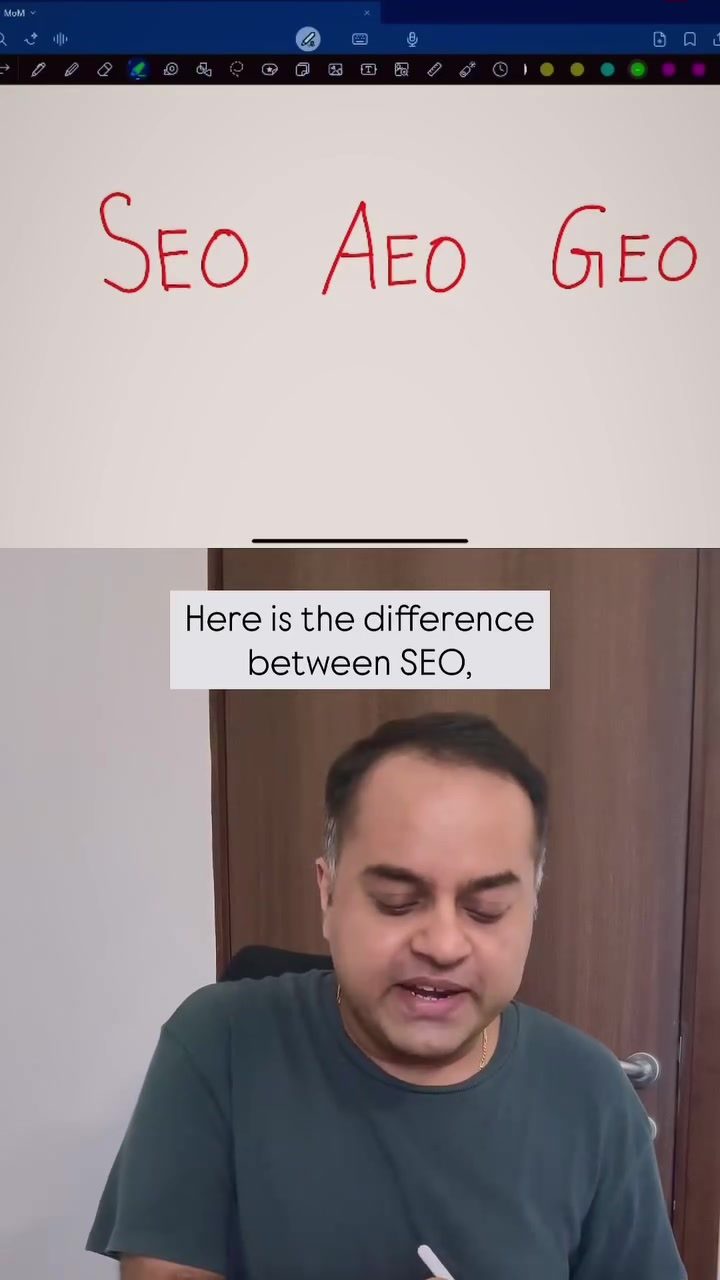
SEO, AEO, and GEO: The Differences You Need to Know in 2025
SEO, AEO, and GEO are acronyms that have gained significant attention in the digital marketing landscape. Understanding the differences between these terms is crucial for anyone looking to optimize their online presence effectively. Let’s dive into what each of these means and how they impact digital strategies in 2025 and beyond.
Why This Matters
As search engines and AI technologies evolve, the methods for optimizing content to rank higher and gain visibility are also changing. Understanding the distinctions between SEO, AEO, and GEO can help you tailor your strategies to meet the demands of both traditional search engines and newer AI-driven platforms.
SEO, AEO, and GEO: What Do They Mean?
SEO: Search Engine Optimization
SEO, or Search Engine Optimization, is a well-known practice aimed at improving a website’s visibility on search engines like Google, Bing, and DuckDuckGo. The goal of SEO is to rank higher in search engine results pages (SERPs) for relevant keywords. This involves optimizing various elements, including on-page content, meta tags, and backlinks. Effective SEO strategies can drive organic traffic to a website, increasing its chances of being discovered by potential visitors.
AEO: Answer Engine Optimization
AEO, or Answer Engine Optimization, is a more recent concept that focuses on becoming the primary source of information for specific queries. Unlike SEO, which aims to rank on traditional search engines, AEO targets platforms that provide direct answers to user queries. These platforms include:
- Featured Snippets on Google: Snippets that appear at the top of search results, providing a quick answer to a query.
- ChatGPT with Citations: When ChatGPT is enabled with web browsing, it can cite sources, and your content can be included as a reference.
- Siri and Alexa Searches: Voice assistants that provide answers sourced from the web.
- People Also Ask Sections: Additional questions that appear in search results, offering related information.
In all these cases, AEO aims to make your content the go-to source for specific answers, ensuring that your website is cited or linked back to whenever a related query is made.
GEO: Generative Engine Optimization
GEO, or Generative Engine Optimization, is another emerging concept aimed at optimizing content for AI-driven platforms that generate answers based on multiple sources. Unlike AEO, GEO does not focus on citations. Instead, it targets platforms where answers are synthesized from various sources and no direct links are provided to the original content.
Platforms that fall under GEO include:
- AI Mode in ChatGPT, Perplexity, and Claude: These platforms provide answers synthesized from multiple sources and do not always give citations.
GEO is about ensuring that your content is part of the data pool used by these AI platforms to generate answers. This means your information needs to be well-structured, accurate, and valuable, so it can be integrated into AI-generated responses.
Practical Tips for Optimizing for SEO, AEO, and GEO
Optimizing for SEO
- Keyword Research: Use tools like Google Keyword Planner to identify relevant keywords.
- On-Page Optimization: Optimize meta tags, headers, and content with target keywords.
- Content Quality: Create high-quality, valuable content that answers user queries comprehensively.
- Backlinks: Build a strong backlink profile from reputable sites.
Optimizing for AEO
- Target Featured Snippets: Structure your content to answer common questions directly and concisely.
- Schema Markup: Use schema markup to help search engines understand your content better.
- Citations: Ensure your content is well-cited on platforms like ChatGPT, Siri, and Alexa.
- People Also Ask Sections: Address additional questions that users might have.
Optimizing for GEO
- High-Quality Content: Focus on creating detailed, well-researched content that can be used as a reference by AI.
- Structured Data: Use structured data to make your content easily digestible by AI.
- Multi-Source Integration: Ensure your content can be integrated with other sources to create comprehensive answers.
Important Takeaways
Understanding the nuances between SEO, AEO, and GEO is essential for a well-rounded digital strategy. Each optimization method serves a unique purpose and targets different platforms, ensuring that your content reaches a broader audience.
SEO remains crucial for traditional search engine visibility, while AEO helps you become a go-to source for direct answers. GEO, on the other hand, focuses on integrating your content into AI-generated responses, ensuring your information is part of the broader data landscape.
Conclusion
As digital marketing evolves, it’s crucial to stay updated with the latest optimization techniques. Whether you’re focusing on SEO, AEO, or GEO, each strategy plays a vital role in enhancing your online presence and driving traffic to your content. By understanding and implementing these strategies effectively, you can ensure that your content is visible and valuable across various platforms, from traditional search engines to AI-driven platforms.
Watch the Reel
Questions readers ask
What is the primary goal of SEO in 2025?
The primary goal of SEO in 2025 is to enhance the visibility and ranking of web pages in traditional search engine results. This involves optimizing content with relevant keywords, improving site structure, and ensuring fast loading times to meet the evolving algorithms of search engines.
How does AEO differ from SEO?
AEO, or Answer Engine Optimization, focuses on optimizing content to be featured as direct answers to user queries, particularly in response to AI-driven platforms and voice searches. Unlike SEO, which targets search engine rankings, AEO aims to provide immediate, concise answers to specific questions, enhancing visibility on platforms like ChatGPT.
What is the role of GEO in digital marketing strategies for 2025?
GEO, or Geographic or Geolocation Search Engine Optimization, is crucial for businesses targeting local audiences. It involves optimizing content to appear in location-based search results, ensuring that users looking for services or products in specific areas are directed to relevant local businesses. GEO helps in driving foot traffic and local engagement through precise location targeting.
How does AI impact SEO in 2025?
AI significantly impacts SEO in 2025 by influencing how search engines understand and rank content. AI-driven algorithms analyze user behavior, content quality, and relevance to provide more accurate search results. This means that SEO strategies must adapt to focus on creating high-quality, user-focused content that aligns with AI expectations to maintain high rankings.
Can you optimize for both SEO and AEO simultaneously?
Yes, optimizing for both SEO and AEO can be done simultaneously by creating comprehensive content that answers specific questions directly while also incorporating relevant keywords and meta descriptions. This dual approach ensures visibility in both traditional search engine results and AI-driven answer platforms, maximizing overall reach and engagement.
Why is GEO search engine optimization important for local businesses?
GEO search engine optimization is vital for local businesses as it helps them appear in location-specific search results, driving local traffic and increasing the chances of customer engagement. By optimizing for geographic terms and ensuring accurate business listings, local businesses can effectively reach their target audience within a specific region, enhancing their online presence.
Related deep dives
Similar reads based on topic and creator.




Recent articles
Fresh deep dives from the latest Reels we unpacked.




Comments
Be the first to comment.