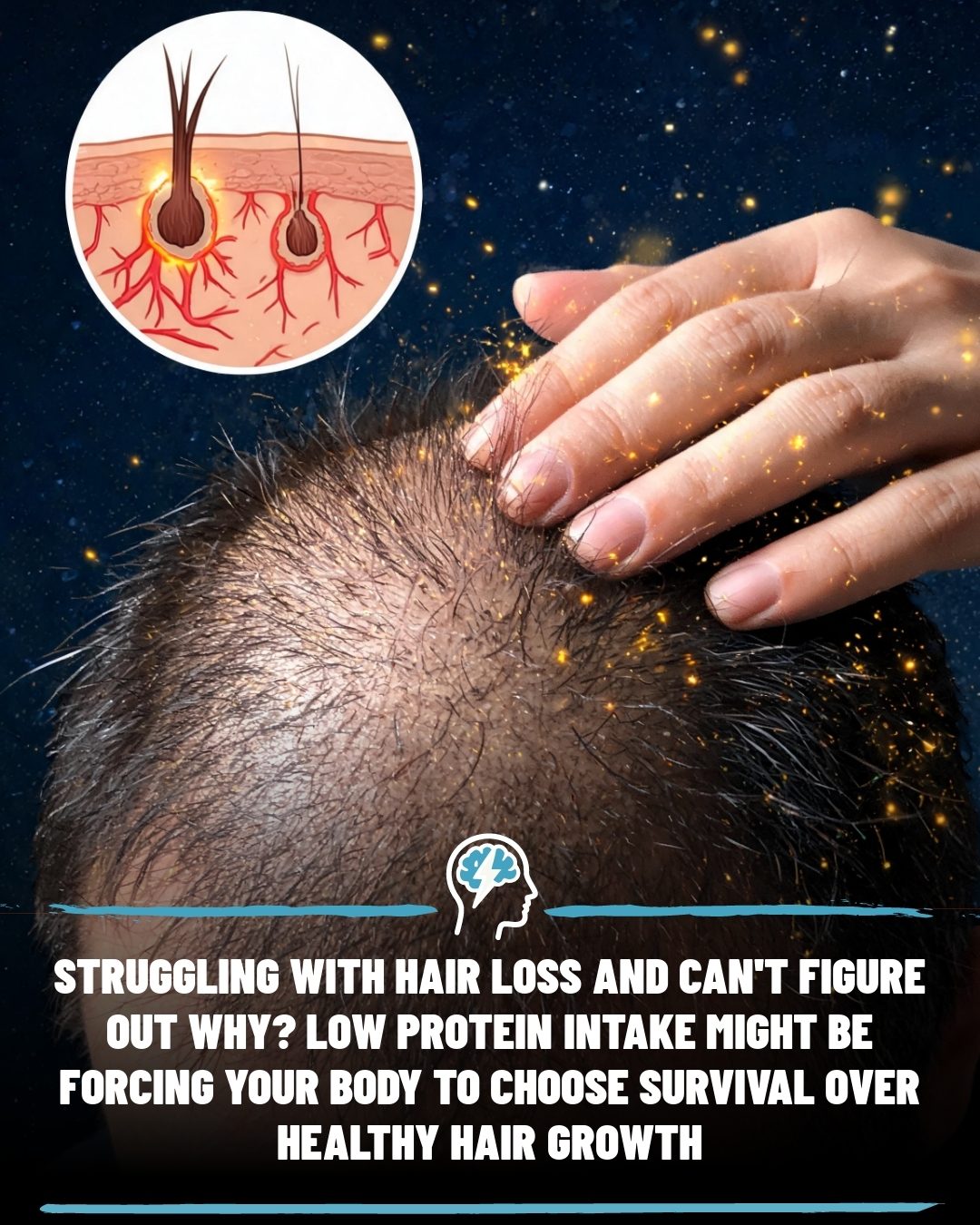
Hair loss is a common concern for many, and while there are numerous factors that can contribute to it, one often overlooked aspect is protein intake. Hair is primarily made of keratin, a protein, and without a sufficient supply of amino acids, the body may prioritize other functions over hair growth. This can lead to a condition known as telogen effluvium — a sudden increase in hair shedding. The body views hair as non-essential tissue, so when protein levels drop, it redirects resources to vital organs.
Why This Matters
Understanding the link between protein intake and hair loss is crucial for maintaining overall hair health. Hair loss can significantly impact self-esteem and quality of life, and identifying the underlying cause can help address the issue more effectively. Protein is one of the fundamental building blocks of hair, and ensuring an adequate intake can support healthy hair growth and reduce excessive shedding.
Key Factors
Protein and Hair Health
Protein plays a critical role in hair health. When the body lacks sufficient protein, it conserves resources for essential functions, such as maintaining the heart, brain, and internal organs. Hair follicles, which are not considered vital for survival, can suffer from inadequate protein supply. This can lead to weakened hair follicles, increased hair shedding, and a range of other issues.
Telogen Effluvium
Telogen effluvium is a condition characterized by excessive hair shedding. It typically occurs two to three months after a triggering event, such as a significant drop in protein intake. The hair follicles prematurely enter the resting phase (telogen phase) and fall out, leading to noticeable hair loss. This condition is usually temporary and can be reversed by restoring adequate protein levels.
Signs of Low Protein Intake
There are several signs that your protein levels might be too low, including:
- Hair Quality: Hair that feels brittle, dry, or snaps easily.
- Hair Color: Loss of hair color or pigment over time.
- Nail Health: Weak nails that peel or develop ridges.
- Fatigue: Frequent fatigue or slow muscle recovery.
- Skin Health: Flaky skin or loss of elasticity.
How to Address Low Protein Intake
If you suspect your protein intake is low, increasing your protein consumption can help. Aim for a variety of protein sources to ensure a balanced intake of amino acids. Some excellent protein sources include lean meats, fish, eggs, dairy, lentils, chickpeas, quinoa, and nuts. Mixing these sources can provide a comprehensive range of nutrients necessary for hair health.
Practical Tips
Incorporate Variety
A diverse diet is key to maintaining healthy hair. Incorporate a variety of protein sources into your meals to ensure you get a wide range of amino acids. For example, you can pair chicken with quinoa or fish with lentils.
Monitor Your Intake
Keep track of your daily protein intake to ensure you're meeting your body's needs. Most adults require about 0.8 grams of protein per kilogram of body weight per day. However, this can vary depending on factors like activity level and overall health.
Consider Supplements
If you're struggling to get enough protein through your diet alone, consider incorporating protein supplements. Options include protein powders, shakes, and bars, but consult a healthcare provider before making significant changes to your diet or supplement routine.
Stay Hydrated
Protein isn't the only factor affecting hair health. Staying hydrated is crucial for overall well-being, including hair health. Aim for at least eight glasses of water a day.
Avoid Crash Diets
Crash diets that restrict protein intake can lead to hair loss and other health issues. Instead of crash dieting, opt for a balanced eating plan that includes a healthy amount of protein and other essential nutrients.
Important Takeaways
Early Intervention
Addressing low protein intake early can prevent significant hair loss and other health issues. Pay attention to the signs and take action before the problem becomes severe.
Balanced Diet
Maintaining a balanced diet rich in protein from various sources can support hair health and overall well-being.
Be Patient
It can take several months to see improvements in hair health after increasing protein intake. Be patient and give your body time to respond to the changes.
Consult a Professional
If you're experiencing significant hair loss or other health concerns, consult a healthcare provider or a nutritionist. They can offer personalized advice and guidance tailored to your specific needs.
Conclusion
Hair loss can be a complex issue with multiple contributing factors, but ensuring adequate protein intake is a critical step in maintaining healthy hair. By understanding the link between protein and hair health, you can take proactive measures to support your well-being and reduce the risk of excessive hair loss. Remember to be patient, stay consistent with your dietary changes, and consult a professional if needed. Your hair will thank you for it.
Watch the Reel
Questions readers ask
Can low protein intake directly cause hair loss?
Yes, low protein intake can directly cause hair loss. When your body doesn't get enough protein, it conserves resources for essential functions, leading to weakened hair and increased shedding, a condition known as telogen effluvium.
How does protein support hair growth?
Protein supports hair growth by providing the essential amino acids needed to produce keratin, the primary protein that makes up hair. Adequate protein intake ensures that hair follicles receive the necessary nutrients to promote strong, healthy hair growth.
What are the symptoms of protein deficiency that affect hair?
Symptoms of protein deficiency that affect hair include increased hair shedding, weakened hair strands, and overall thinning of the hair. These issues arise because the body redirects protein resources away from hair growth to support more vital functions.
Can adjusting my diet help prevent hair loss related to protein deficiency?
Yes, adjusting your diet to include adequate protein can help prevent hair loss related to protein deficiency. Incorporating lean meats, fish, eggs, beans, and nuts into your meals can provide the necessary amino acids for healthy hair growth and prevent excessive shedding.
How does protein deficiency impact hair follicles?
Protein deficiency impacts hair follicles by depriving them of the necessary nutrients for growth and maintenance. Without sufficient protein, hair follicles can become weak, leading to brittle hair and increased hair shedding. Ensuring a balanced diet with adequate protein can support healthier hair follicles and stronger hair.
What role does nutrition play in hair loss recovery?
Nutrition plays a significant role in hair loss recovery, particularly protein intake. By consuming a diet rich in protein, you can provide your body with the building blocks needed to restore hair health. This includes promoting hair regrowth and strengthening existing hair strands, which can help reverse the effects of hair loss due to protein deficiency.
What are some protein-rich foods that can support hair health?
Some protein-rich foods that can support hair health include lean meats like chicken and turkey, fish such as salmon and tuna, eggs, legumes like lentils and chickpeas, and nuts and seeds. Including these foods in your diet can provide the amino acids necessary for strong, healthy hair growth and overall hair maintenance.
Related deep dives
Similar reads based on topic and creator.




Recent articles
Fresh deep dives from the latest Reels we unpacked.



Comments
Be the first to comment.