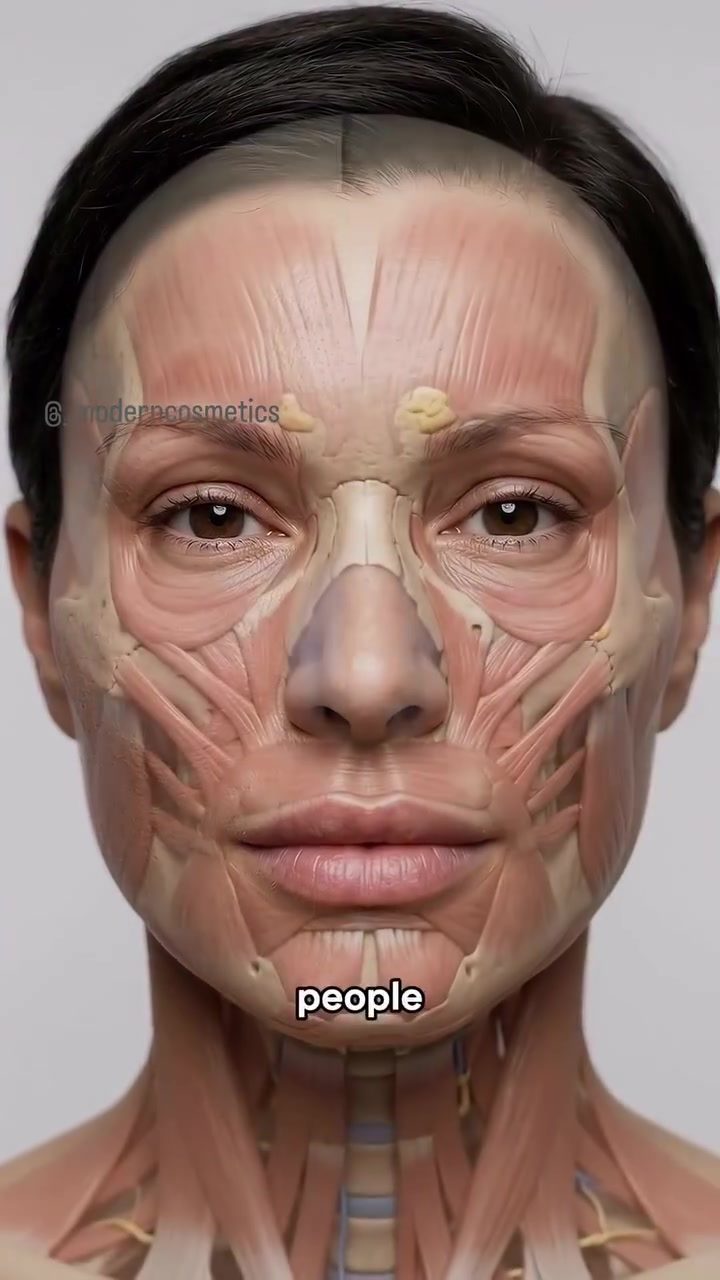
What is "Pillow Face" and What Causes It?
Ever wondered what people mean by "pillow face"? This term is not a medical diagnosis, but a common description for a face that appears unusually full or rounded. Understanding the causes and implications of a "pillow face" can help individuals make informed decisions about cosmetic treatments and overall facial aesthetics.
Why This Matters
Facial aesthetics play a significant role in personal appearance and self-confidence. Understanding the factors that contribute to a "pillow face" can help individuals assess their own facial features and consider appropriate treatments if desired. Whether you're considering cosmetic procedures or simply curious about facial anatomy, knowing the causes of a "pillow face" can provide valuable insights.
Main Discussion
Defining "Pillow Face"
A "pillow face" is characterized by a fuller, more rounded appearance. This can be due to a variety of factors, including natural anatomy, fluid retention, and even certain cosmetic treatments. It's important to note that a naturally fuller face does not necessarily indicate that someone has had cosmetic treatments. The term is purely descriptive and not a medical condition.
Causes of "Pillow Face"
Natural Facial Anatomy
Facial anatomy varies greatly from person to person. Some individuals naturally have fuller, more rounded faces due to their bone structure, muscle mass, or fat distribution. This natural variation can contribute to the appearance of a "pillow face."
Fluid Retention
Fluid retention can also cause a fuller, more rounded facial appearance. This can be due to various factors, including diet, hydration levels, and underlying medical conditions. For example, conditions like hypothyroidism or certain allergies can cause fluid retention, leading to a "pillow face."
Cosmetic Treatments
In some cases, cosmetic treatments that haven't been appropriately planned or balanced can contribute to a "pillow face." This is often due to the addition of too much volume in the wrong places, leading to an unnatural, disproportionate appearance. It’s crucial to consult with a professional to ensure that any cosmetic treatments are tailored to your unique facial anatomy and desired outcomes.
Aging-Related Changes
As people age, their facial structure changes due to loss of collagen, muscle tone, and fat. Changes in bone density and muscle mass can also contribute to a fuller, more rounded face. These natural aging processes can make the face appear more "pillowed" over time.
Genetics
Genetics play a significant role in facial structure and appearance. Some individuals may inherit a predisposition to a fuller, more rounded face from their parents or other family members. This genetic factor can influence the shape and size of the face, contributing to a "pillow face."
The Role of Cosmetic Treatments
Cosmetic treatments can be a double-edged sword when it comes to "pillow face." On one hand, they can be used to enhance facial features and achieve a more balanced appearance. On the other hand, poorly planned or executed treatments can exacerbate the issue, leading to an unnatural look.
Balancing Volume
Facial harmony isn't about simply adding more volume. It's about understanding the relationship between facial proportions, anatomy, existing volume, and individual features. Placing the right amount of volume in the right place is key to achieving a natural, balanced look.
Importance of Professional Assessment
When considering cosmetic treatment, it's essential to consult with a professional who can assess your unique facial features and recommend appropriate treatments. A skilled practitioner will consider your natural anatomy, facial proportions, and individual features to create a treatment plan tailored to your needs.
Common Procedures
Several cosmetic procedures can help address a "pillow face" by rebalancing facial volume. These procedures can include:
- Fillers: Injectable fillers can be used to add volume to specific areas of the face, such as the cheeks or jawline, to create a more balanced appearance.
- Fat Transfer: Fat transfer involves removing fat from one part of the body and injecting it into the face to add volume and contour.
- Facelifts and Neck Lifts: These surgical procedures can tighten and lift facial skin, reducing excess fat and creating a more defined jawline and cheeks.
Practical Tips for Managing a "Pillow Face"
Lifestyle Changes
Hydration and Nutrition
Maintaining proper hydration and a balanced diet can help reduce fluid retention, contributing to a less "pillowed" appearance. Staying hydrated and consuming a diet rich in fruits, vegetables, and lean proteins can support overall facial health.
Skincare Routine
A consistent skincare routine can also help manage the appearance of a "pillow face." Regular use of moisturizers, serums, and sunscreen can improve skin elasticity and reduce the appearance of wrinkles and fine lines, contributing to a more youthful and balanced look. Products containing ingredients like retinol, vitamin C, and hyaluronic acid can be particularly beneficial.
Consulting a Professional
Working with a dermatologist or cosmetic surgeon can provide valuable insights and personalized treatment recommendations. These professionals can assess your unique facial features and recommend appropriate procedures to achieve the desired results.
Choosing the Right Products
When it comes to treating a "pillow face" with cosmetics, choosing the right products is essential. Look for foundations and concealers that provide buildable coverage and a natural finish. Products with lightweight, hydrating formulas can help create a balanced, even complexion without adding excess volume.
Important Takeaways
Understanding the causes and implications of a "pillow face" can help individuals make informed decisions about their facial aesthetics. Whether you're considering cosmetic treatments or simply want to enhance your natural features, knowing the factors that contribute to a "pillow face" can provide valuable insights and guidance.
Conclusion
A "pillow face" is a term commonly used to describe a face that appears unusually full or rounded. This appearance can be influenced by various factors, including natural facial anatomy, fluid retention, aging, genetics, and cosmetic treatments. Understanding the causes of a "pillow face" and the role of cosmetic treatments can help individuals achieve a more balanced, harmonious appearance. Whether you're considering lifestyle changes, skincare routines, or cosmetic procedures, working with a professional can provide personalized recommendations and support tailored to your unique needs.
Watch the Reel
Questions readers ask
What exactly is meant by the term 'pillow face'?
'Pillow face' is a colloquial term used to describe a facial appearance that seems unusually full or rounded. It is not a medical diagnosis but rather a common description for a face that has more volume than typical, giving it a softer, more puffy look.
What are the most common causes of a 'pillow face'?
A 'pillow face' can result from several factors, including natural facial anatomy, fluid retention, or certain cosmetic treatments. Some people may naturally have fuller cheeks and a rounded jawline, while others might experience temporary fullness due to fluid retention. Modern cosmetic treatments, such as certain types of fillers or fat transfers, can also contribute to this appearance.
Is 'pillow face' a sign of an underlying medical condition?
'Pillow face' itself is not typically a sign of a medical condition. However, sudden or severe changes in facial appearance should be assessed by a healthcare professional, as they could indicate underlying issues like allergies, infections, or other health concerns.
Can cosmetic treatments help reduce the appearance of a 'pillow face'?
Yes, various cosmetic treatments can help reduce the appearance of a 'pillow face.' These treatments include Botox, which can relax muscles and reduce fullness, and certain types of fillers that can be dissolved or adjusted to achieve a more defined facial structure. More invasive procedures, such as facial liposuction or surgery, can also be options for those seeking more dramatic changes.
How does fluid retention affect the appearance of a 'pillow face'?
Fluid retention can cause temporary swelling in the face, contributing to a 'pillow face' appearance. This can be due to factors like dietary habits, dehydration, or certain medical conditions. Lifestyle changes, such as reducing salt intake, staying hydrated, and addressing any underlying health issues, can help alleviate this type of fullness.
Can natural anatomy contribute to a 'pillow face'?
Yes, natural anatomy can indeed contribute to a 'pillow face.' Some individuals are born with fuller cheeks, a broader jawline, or thicker facial tissue, which can give the face a rounded, more voluminous appearance. This is a normal variation in facial structure and does not necessarily require any intervention.
What role do modern cosmetic treatments play in the appearance of a 'pillow face'?
Modern cosmetic treatments, such as dermal fillers, fat transfers, or certain types of facial implants, can alter facial volume and shape, potentially leading to a 'pillow face' appearance. These treatments can be adjusted or reversed by a qualified professional, providing individuals with options to refine their facial aesthetics as desired.
Recent articles
Fresh deep dives from the latest Reels we unpacked.




Comments
Be the first to comment.