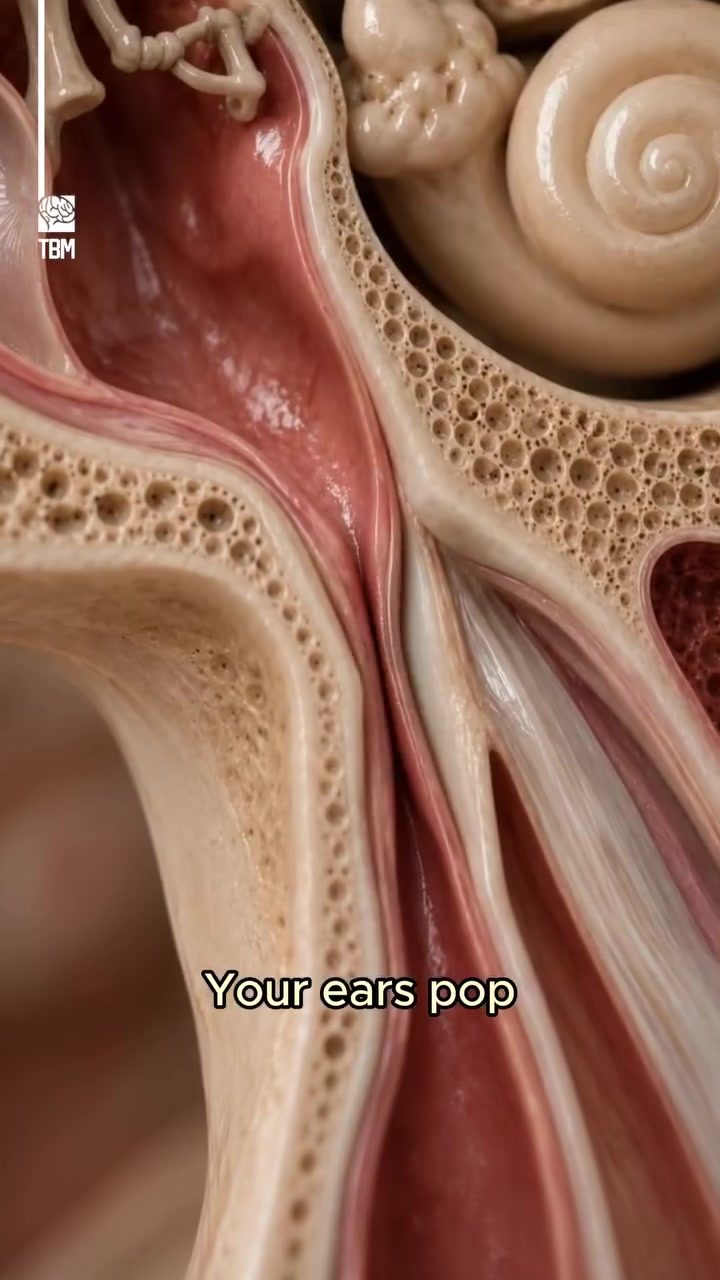
Ear Popping Explained
Ear popping is a sensation most people experience, especially during changes in altitude, such as when flying or driving through mountains. This phenomenon occurs because the Eustachian tubes in the middle ear work to balance pressure differences between the inside of the ear and the outer environment.
Why This Matters
Understanding why ears pop can help alleviate discomfort and prevent potential issues related to ear pressure. Whether you are a frequent flyer, a mountain climber, or someone who experiences ear pressure changes regularly, knowing the mechanics of ear popping can make these experiences more bearable.
The Anatomy and Function of the Eustachian Tubes
The Eustachian tubes are small passageways that connect the middle ear to the back of the nose. Their primary function is to regulate pressure between the middle ear and the atmosphere. When the pressure inside the middle ear matches the outside air pressure, the eardrum can vibrate freely, allowing for clear hearing.
Rapid Altitude Changes
During rapid altitude changes, such as during a flight or driving through mountains, the atmospheric pressure outside shifts faster than the pressure inside the middle ear. This imbalance stretches the eardrum, causing discomfort or a feeling of fullness. The Eustachian tubes respond to this imbalance by opening briefly to allow air to flow in or out of the middle ear, equalizing the pressure. This sudden equalization produces the familiar popping sensation.
The Equalization Process
The equalization process is crucial for maintaining normal hearing. When the Eustachian tubes are clear and functioning properly, they allow air to flow in or out of the middle ear, equalizing the pressure and preventing discomfort. However, if the tubes are blocked due to congestion, inflammation, or other issues, the pressure cannot balance properly, resulting in pain or prolonged discomfort.
Common Scenarios for Ear Popping
There are several common scenarios where ear popping is likely to occur:
Flying
Flying is one of the most common situations that leads to ear popping. During takeoff and landing, the rapid changes in cabin pressure can cause the pressure inside the ear to be different from the outside pressure. The Eustachian tubes work to equalize this pressure, resulting in the popping sensation. To manage this, some people use techniques like swallowing, yawning, or chewing gum to help open the Eustachian tubes and equalize the pressure.
Driving Through Mountains
Driving through mountainous terrain also involves rapid altitude changes, which can lead to ear popping. As the altitude increases or decreases, the atmospheric pressure changes, and the Eustachian tubes work to equalize the pressure in the middle ear. This process can cause discomfort and the popping sensation.
Diving and Swimming
Diving and swimming can also cause ear popping, especially when descending into deeper water. The increasing water pressure can create an imbalance in the ear, leading to the Eustachian tubes opening to equalize the pressure. Proper equalization techniques, such as the Valsalva maneuver (blowing air out through the nose while keeping the mouth closed), can help prevent discomfort and potential ear damage.
Practical Tips for Managing Ear Popping
Managing ear popping can help prevent discomfort and potential ear issues. Here are some practical tips to keep in mind:
Before and During Flights
- Use Earplugs: Some people find that using earplugs during flights can help reduce the impact of pressure changes on the ears.
- Swallowing and Yawning: Swallowing or yawning can help open the Eustachian tubes and equalize the pressure in the ears.
- Chewing Gum or Sucking on Candy: Chewing gum or sucking on candy can also help stimulate the Eustachian tubes to open and equalize the pressure.
During Mountain Driving
- Stop and Rest: If you experience significant discomfort, consider stopping and taking a break to allow your ears to adjust to the altitude changes.
- Hydrate: Staying hydrated can help keep the Eustachian tubes clear and functional.
For Divers and Swimmers
- Practice Equalization Maneuvers: Techniques such as the Valsalva maneuver can help divers and swimmers equalize the pressure in their ears.
- Avoid Holding Breath: Avoid holding your breath while diving, as this can exacerbate the pressure imbalance.
Important Takeaways
Ear popping is a natural response to changes in atmospheric pressure and is regulated by the Eustachian tubes. Understanding the mechanics of this process can help alleviate discomfort and prevent potential issues. Whether you are a frequent flyer, a mountain climber, or a diver, knowing how to manage ear popping can make these experiences more comfortable and enjoyable.
Conclusion
Ear popping is a common and natural phenomenon that occurs due to changes in atmospheric pressure. The Eustachian tubes play a crucial role in equalizing the pressure in the middle ear, preventing discomfort and maintaining normal hearing. By understanding the mechanics of ear popping and employing practical tips, you can manage this sensation and prevent any potential issues related to ear pressure.
Watch the Reel
Questions readers ask
Why do my ears pop during flights and in mountains?
Ears pop during flights and in mountains due to changes in altitude, which cause differences in air pressure between your inner ear and the outside environment. This triggers the Eustachian tubes to open and close, attempting to equalize the pressure, which results in the popping sensation.
What are the Eustachian tubes and how do they function?
The Eustachian tubes are small passages that connect the middle ear to the back of the nose. They play a crucial role in equalizing pressure in the middle ear by opening and closing to balance the air pressure, thus preventing discomfort and potential issues related to ear pressure.
How can I relieve ear pressure during altitude changes?
To relieve ear pressure during altitude changes, try swallowing, yawning, or chewing gum. These actions help open the Eustachian tubes and equalize the pressure between your inner ear and the outer environment. You can also try the Valsalva maneuver, which involves gently blowing your nose while pinching it and keeping your mouth closed.
Is ear popping during altitude changes a cause for concern?
Ear popping during altitude changes is usually normal and nothing to worry about. However, if you experience severe pain, hearing loss, or if your ears do not pop and you feel severe discomfort, it is important to consult a healthcare professional, as it could indicate a more serious issue.
Why is it important to equalize ear pressure during altitude changes?
Equalizing ear pressure during altitude changes is important to prevent discomfort and potential damage to the eardrum. When the pressure in the middle ear is not properly balanced with the outside environment, it can lead to symptoms such as ear pain, ringing in the ears, and even temporary hearing loss.
Can ear popping during altitude changes be prevented?
While ear popping during altitude changes cannot be completely prevented, you can take steps to minimize discomfort. Staying hydrated, avoiding allergy or cold medications that can cause congestion, and performing ear-popping exercises like swallowing or yawning can help manage the pressure changes more comfortably.
What should I do if I experience severe discomfort during ear popping?
If you experience severe discomfort or pain during ear popping, try to equalize the pressure by swallowing, yawning, or using the Valsalva maneuver. If these methods do not provide relief, or if you experience severe pain, hearing loss, or dizziness, seek medical attention to rule out any underlying issues.
Related deep dives
Similar reads based on topic and creator.




Recent articles
Fresh deep dives from the latest Reels we unpacked.




Comments
Be the first to comment.