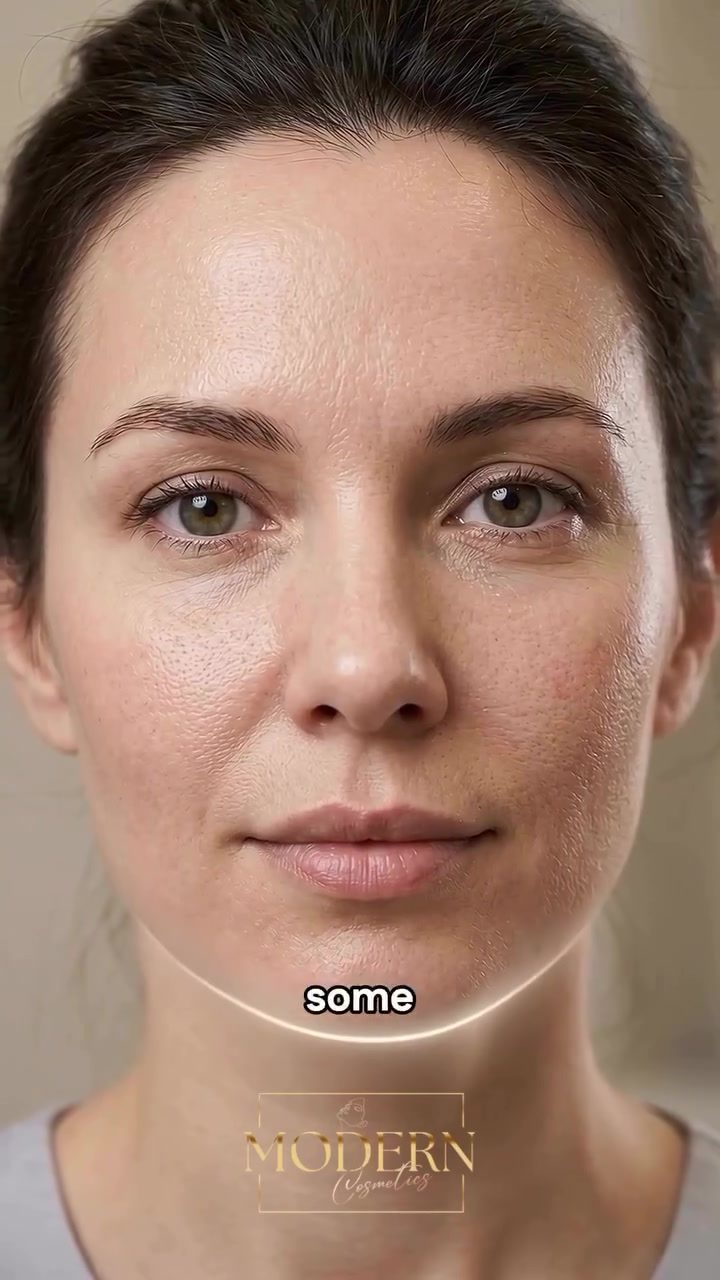
The Mysteries of Chin Dimples and the Mentalis Muscle
Chins are an expressive part of the face, revealing much about a person's emotions and movements. Ever noticed how some people develop little dimples or wrinkles on their chin? This phenomenon is tied to a small but powerful muscle known as the mentalis muscle. Understanding its role can offer insights into facial movements and skin texture.
Why This Matters
The mentalis muscle plays a critical role in facial expressions and lip movement. When this muscle becomes very active, it can create a distinctive dimpled texture on the chin, often referred to as an "orange peel" appearance. Recognizing the mechanisms behind this muscle's activity is essential for addressing skin concerns and appreciating the unique characteristics of each face. This understanding also underscores the importance of personalized treatment plans, as facial structures vary widely from person to person.
The Role of the Mentalis Muscle
What Is the Mentalis Muscle?
The mentalis muscle is a small, triangular muscle located in the chin area. Despite its size, it has a big job: it controls the movement of the lower lip and contributes to various facial expressions. When you smile, frown, or pout, the mentalis muscle is at work, pulling the lower lip down and out to create different expressions.
How It Affects Chin Texture
When the mentalis muscle is very active, it causes the skin above it to bunch up, resulting in a dimpled or wrinkled texture. This is often described as an "orange peel" appearance, resembling the rough skin of an orange. The more active the mentalis muscle, the more pronounced these dimples can become. This texture is a natural result of the muscle's movement and does not indicate a skin problem.
Understanding the Orange Peel Texture
The "orange peel" texture on the chin is a result of the mentalis muscle's activity and the natural aging process. As skin ages, it loses elasticity and becomes more susceptible to the effects of muscle movement. The mentalis muscle, being very active, can cause more noticeable bunching and dimpling over time. However, this texture is a normal part of the aging process and is not inherently a sign of skin damage.
Practical Tips for Managing Chin Texture
While the dimpled texture on the chin is a natural part of facial anatomy, there are ways to manage and minimize its appearance if desired. These methods can help improve skin texture and overall facial appearance.
Skincare Routine
Maintaining a consistent skincare routine can help improve the overall texture and elasticity of the skin, including the chin area. Regular exfoliation, hydration, and the use of anti-aging products can help reduce the appearance of dimples. Choose products designed for the chin and neck area, as these regions have unique skin characteristics.
Cosmetic Treatments
Modern Cosmetics offers a variety of treatments that can help address the appearance of chin dimples and improve skin texture. These treatments are designed to target specific areas and can provide noticeable results. Consulting with a professional is crucial to determine the best course of action for your individual concerns.
Lifestyle Factors
In addition to skincare and cosmetic treatments, lifestyle factors can significantly impact skin health. Maintain a balanced diet, stay hydrated, and avoid excessive sun exposure to keep your skin in optimal condition. Healthy lifestyle habits can complement skincare efforts and enhance overall skin quality.
Important Takeaways
The mentalis muscle’s activity can create a distinctive dimpled texture on the chin, known as the "orange peel" appearance. This is a natural part of the facial anatomy and can become more pronounced over time. Understanding the role of the mentalis muscle and how it affects skin texture is essential for addressing cosmetic concerns and appreciating the unique characteristics of each face.
Consulting with a professional can provide personalized treatment plans and recommendations to improve skin texture and overall facial appearance.
Conclusion
The mentalis muscle, though small, has a significant impact on facial expressions and chin texture. Understanding its role and how it contributes to the "orange peel" appearance can help individuals make informed decisions about their skincare and cosmetic treatments. By embracing the unique characteristics of each face and seeking personalized care, it's possible to achieve a more youthful and vibrant appearance.
Watch the Reel
Questions readers ask
What causes chin dimples or the 'orange peel' texture on the chin?
Chin dimples, or the 'orange peel' texture, are primarily caused by the activity of the mentalis muscle. When this muscle is very active, it can create distinctive dimples and wrinkles on the chin.
Where is the mentalis muscle located and what does it do?
The mentalis muscle is located in the chin area. It is responsible for various facial expressions and lip movements, and when active, it can significantly influence the chin's texture and appearance.
Why do some people develop chin dimples while others do not?
The development of chin dimples varies from person to person due to differences in muscle activity and skin elasticity. Some individuals may have more active mentalis muscles, leading to more pronounced dimples, while others may not have much chin muscle activity to cause dimples.
Can modern cosmetic techniques help with chin dimples?
Yes, modern cosmetic techniques can help address concerns with chin texture. Depending on the desired outcome, treatments such as injectable fillers, muscle relaxants or muscle sculpting procedures can be used between chin muscles to change the skin's appearance.
How does the mentalis muscle affect overall facial expressions?
The mentalis muscle plays a crucial role in various facial expressions and lip movements. Its activity affects not just the chin but also the overall appearance of the lower face, contributing to everyday changes in skin texture and facial aesthetics.
What are some ways to address everyday skin changes on the chin?
To manage everyday changes in chin texture, consider incorporating skincare products that enhance skin elasticity and hydration. Additionally, maintaining a healthy lifestyle and consulting with a healthcare professional can help address specific concerns.
Recent articles
Fresh deep dives from the latest Reels we unpacked.




Comments
Be the first to comment.