WWII Mortar Rounds and Tank Turrets: A Look into the Battlefield Artifacts
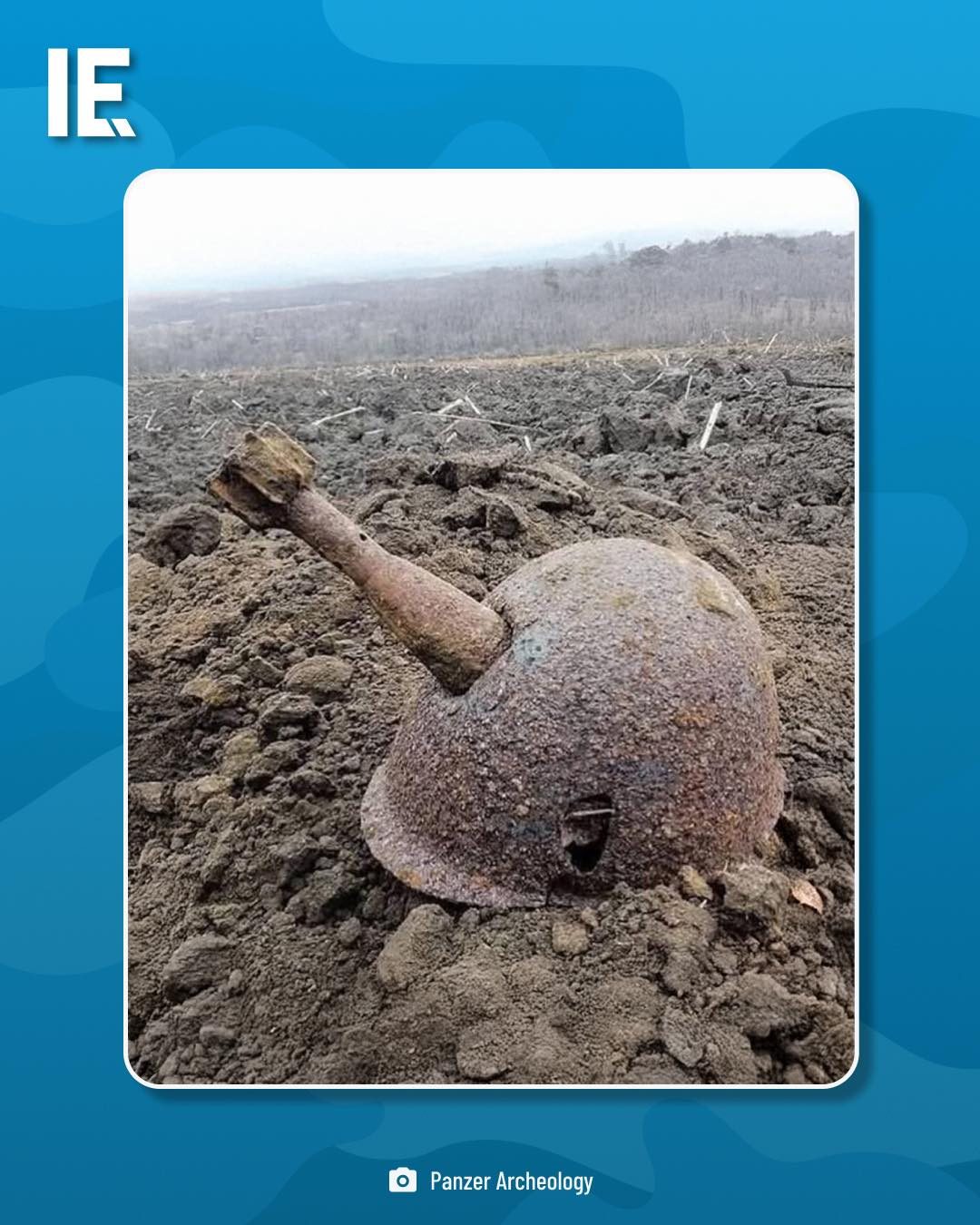
The mortar round that pierced a soldier’s helmet during WWII is a stark reminder of the brutal realities of war. This particular artifact, along with the weathered tank turret partially buried in a field, offers a glimpse into the historical significance of battlefield discoveries. These remnants of conflict provide invaluable insights into the events and technologies of World War II.
Context: The Importance of Battlefield Artifacts
Battlefield artifacts are more than just historical curiosities; they are tangible links to the past that help us understand the strategies, technologies, and human experiences of war. The mortar round mentioned in the caption is a chilling example of the deadly precision of artillery during WWII. Similarly, the tank turret shown in the image is a testament to the advancements in military technology during that era. These artifacts offer a tangible connection to the historical events that shaped the world.
Main Discussion
The Role of Mortar Rounds in WWII
Mortar rounds were a crucial component of infantry combat during WWII. They provided artillery support to ground troops, allowing them to engage enemy positions from a distance. The mortar round that found its way to piercing a soldier's helmet highlights the devastating impact these weapons could have. The round's design allowed for high-velocity projectiles to be fired with precision, making them effective tools for both offensive and defensive operations. The round's trajectory and impact force have been studied extensively, providing valuable data for military strategists and historians.
Tank Turrets: A Symbol of Military Innovation
The tank turret, partially buried in a barren, muddy field, is a poignant symbol of the advancements in military technology during WWII. Tanks were instrumental in changing the dynamics of warfare, providing mobile, armored support that could withstand enemy fire while delivering devastating blows. The turret, which housed the main gun and provided a 360-degree field of fire, was a critical component of the tank's design. The weathered condition of the turret suggests it has been exposed to the elements for many years, perhaps since the end of the war.
The Science of Panzer Archeology
The term "Panzer Archeology" — visible on the image — refers to the study of military artifacts, particularly those related to armored vehicles. This field of study involves the excavation, preservation, and analysis of military relics to gain insights into the technologies, tactics, and strategies used during conflicts. Archeologists and historians meticulously analyze these artifacts to understand the historical context in which they were used. The examination of a tank turret, for example, can reveal details about the manufacturing processes, technological advancements, and the conditions of the battlefield.
Excavation Sites and Historical Battlefields
The setting of the recovered tank turret suggests a historical battlefield or excavation site. These sites are often carefully chosen for their historical significance and the potential for uncovering valuable artifacts. Excavation efforts are typically coordinated by professionals who use advanced techniques to preserve and analyze the artifacts. The landscape around the turret is barren and muddy, indicative of a site that has seen heavy combat and subsequent deterioration.
Practical Tips for Exploring Battlefield Artifacts
For those interested in exploring battlefield artifacts and the historical significance of military relics, there are several practical tips to keep in mind:
Research and Preparation
Before embarking on any expedition, thorough research is essential. Understanding the historical context, the type of artifacts you might encounter, and the best practices for preservation are crucial. Consult historical records, maps, and expert opinions to guide your exploration.
Legal and Ethical Considerations
It is essential to adhere to legal and ethical guidelines when dealing with historical artifacts. Many battlefield sites are protected areas, and unauthorized excavation or removal of artifacts can result in legal consequences. Always obtain the necessary permits and follow local regulations to ensure the preservation of these historical sites.
Safety Precautions
Exploring battlefield sites can be dangerous due to the presence of unexploded ordnance and unstable structures. Always prioritize safety by wearing appropriate protective gear, working with experienced guides, and being aware of potential hazards. Avoid disturbing any unexploded devices and report them to the relevant authorities.
Important Takeaways
The mortar round that pierced a soldier’s helmet and the tank turret partially buried in a field are powerful reminders of the realities of war and the advancements in military technology during WWII. These artifacts provide valuable insights into the strategies, technologies, and human experiences of the past. By studying and preserving these relics, we can deepen our understanding of history and honor the memories of those who fought.
Conclusion
The exploration of battlefield artifacts, such as the mortar round and the tank turret, offers a unique window into the past. These relics serve as tangible connections to the events and technologies of World War II, providing us with a deeper understanding of the conflict's impact. As we continue to uncover and analyze these artifacts, we honor the memories of those who served and enhance our collective knowledge of history.
Watch the Reel
Questions readers ask
What makes WWII battlefield artifacts like the mortar round and tank turret significant?
These artifacts serve as tangible connections to the past, helping historians understand the strategies and technologies used during the war. They provide specific insights into the deadly precision of World War II weaponry and the sheer human impact of the conflict.
What kind of information can be gleaned from a tank turret remnant?
A tank turret remnant, such as a Panzer tank turret, can offer details about the technological advancements of the time, the tactics employed by different armies, and the durability of the military equipment. It can also provide clues about the battles that took place and the conditions soldiers faced.
How do battlefield finds contribute to our understanding of WWII?
Battlefield finds, like the mortar round that pierced a soldier’s helmet, give us a tangible sense of the immediate and personal consequences of war. They allow us to comprehend the brutal realities faced by soldiers and offer a glimpse into the specific events of the conflict.
What historical context do mortar rounds from WWII provide?
Mortar rounds from WWII, such as the one mentioned in the article, provide context about the weaponry used, the range and effectiveness of artillery, and the deadly impact it had on soldiers. They also offer a specific example of the kind of challenges soldiers faced on a daily basis.
Are there any safety precautions to consider when handling WWII battlefield relics?
Yes, handling WWII battlefield relics requires caution. Artifacts like mortar rounds can still be live and pose a significant danger. Always treat them as if they are live and follow proper procedures for handling and disposal. Safety should always be the top priority.
What can the condition of a tank turret tell us about its history?
The condition of a tank turret can reveal a lot about its history. The type and extent of damage can indicate the battles it was involved in, the effectiveness of enemy weaponry, and the durability of the tank's armor. Weathering and corrosion can also provide clues about how long it was exposed to the elements after the battle.
How were mortar rounds used during WWII battles?
Mortar rounds were a significant component of infantry support during WWII. They were used to provide covering fire, suppress enemy positions, and attack fortified points. Their effectiveness came from their high angle of fire and the destructive power they delivered to a specific target or area.
Related deep dives
Similar reads based on topic and creator.




Recent articles
Fresh deep dives from the latest Reels we unpacked.




Comments
Be the first to comment.