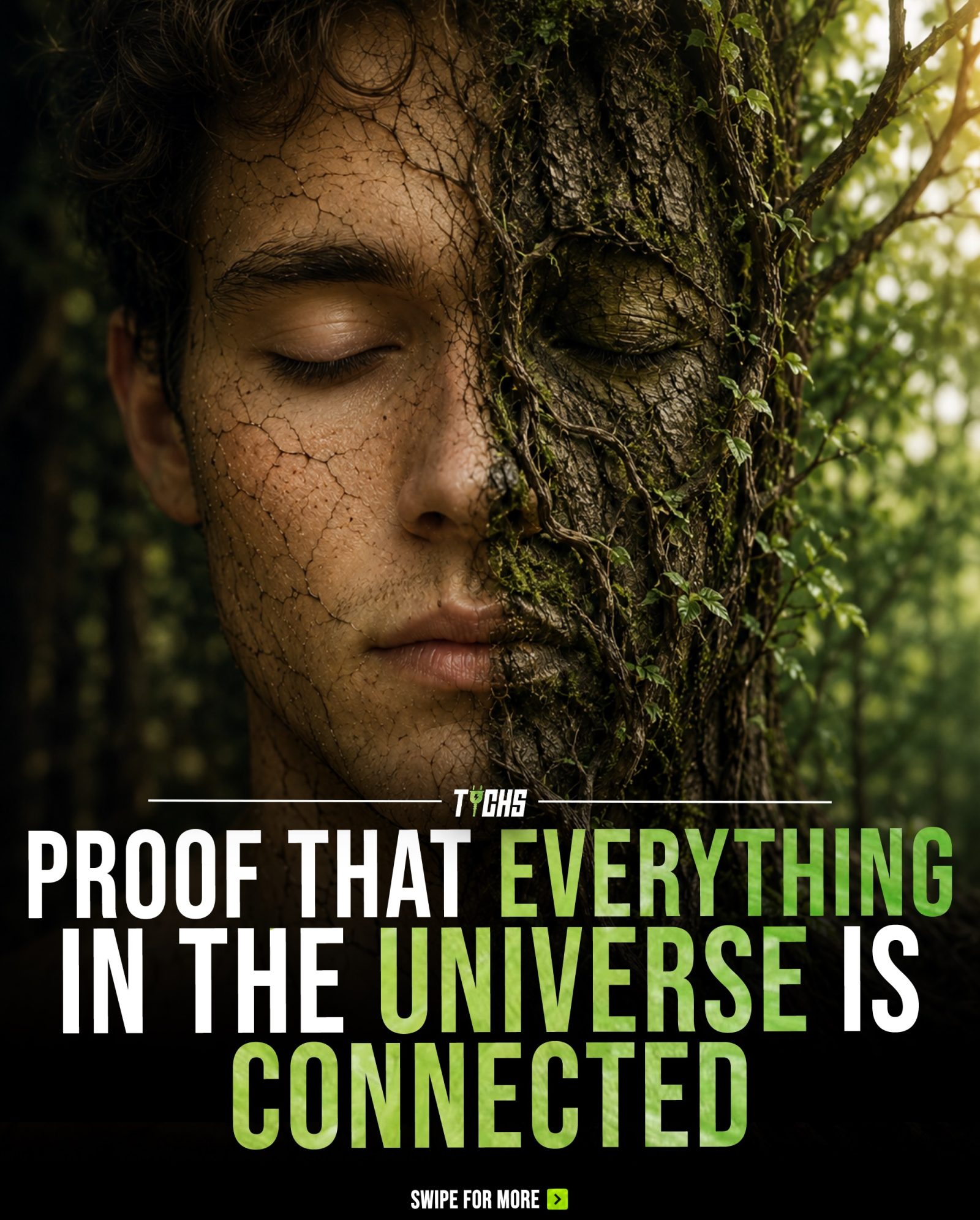
Exploring the Interconnectedness of the Universe
The universe, a vast and complex tapestry, is woven with threads of mathematical patterns that repeat across vastly different scales. From the tiniest living organisms to the grandest cosmic structures, these patterns hint at a deep interconnectedness that governs the natural world. This phenomenon, often referred to as the unity of nature, reveals how similar designs emerge in disparate systems due to shared principles of growth, energy flow, and efficiency.
Context / Why This Matters
Understanding the interconnectedness of the universe can provide profound insights into the underlying principles that shape our world. By recognizing these patterns, we can better appreciate the intricate balance and harmony that exist within nature. This understanding can foster a deeper sense of wonder and inspire us to explore the complexities of the universe.
Main Discussion
Spiral Structures in Nature
Spirals are one of the most ubiquitous patterns found in nature. From the swirling arms of galaxies to the coiled shells of seashells, these shapes are not random occurrences but the result of efficient growth patterns. In galaxies, spiral arms are regions of high star formation, while in seashells, the spiral shape allows for efficient use of space and resources. This efficiency is a testament to the underlying mathematical principles that govern natural structures, leading to similar forms across vastly different scales.
Branching Networks
Branching networks are another striking example of interconnectedness in the universe. Trees, rivers, and lungs all exhibit branching patterns, each adapted to their unique functions but sharing a common design principle. This branching structure allows for efficient transport of resources—water, nutrients, or air—ensuring that every part of the system receives what it needs. The similarity in design highlights the universality of efficient transport mechanisms in nature.
Fractal Shapes
Fractals, self-similar patterns that repeat at different scales, are yet another manifestation of nature's interconnectedness. The branching of a tree, the fractal veins in a leaf, and even the intricate patterns in a lightning strike all exhibit fractal geometry. These patterns are not only aesthetically pleasing but also serve functional purposes, such as maximizing surface area for absorption or minimizing resistance to flow. The presence of fractals in both biological and physical systems underscores the universal nature of these patterns.
Cosmic and Biological Parallels
The interconnectedness of the universe extends to the cosmos, where galaxies, hurricanes, and lightning exhibit patterns similar to those found in biological structures. For instance, the spiral arms of galaxies and the swirling patterns of hurricanes share the same mathematical principles of fluid dynamics. Similarly, the branching veins in a leaf mirror the fractal patterns of lightning. These parallels suggest that the same underlying principles govern both cosmic and biological phenomena, highlighting a deep mathematical order that connects the natural world.
Practical Tips
- Observe Patterns in Nature: Take a walk in the park or a stroll along the beach and keep an eye out for these recurring patterns. You might spot spiral shells, branching trees, or fractal patterns in leaves.
- Connect the Dots: Try to find connections between these patterns and the underlying principles of growth, energy flow, and efficiency. Understanding these connections can deepen your appreciation for the natural world.
- Apply Principles in Art and Design: Artists and designers can draw inspiration from these natural patterns to create aesthetically pleasing and functional designs. Incorporating fractals, branching networks, and spiral patterns can add depth and complexity to your work.
Important Takeaways
- Universality of Patterns: The same mathematical patterns appear in both biological and cosmic structures, highlighting a deep interconnectedness in the universe.
- Efficiency and Growth: These patterns are often shaped by principles of efficient growth, energy flow, and resource use, leading to remarkably similar designs across different scales.
- Aesthetic and Functional Value: Beyond their scientific significance, these patterns also hold aesthetic and functional value, inspiring various fields, from art to engineering.
Conclusion
The interconnectedness of the universe reveals a deep, underlying order that governs the natural world. From galaxies and hurricanes to rivers and veins, the same mathematical patterns emerge, shaped by the principles of growth, efficiency, and energy flow. By recognizing and appreciating these patterns, we can gain a deeper understanding of the universe and our place within it. This knowledge can inspire us to explore further, fostering a sense of wonder and curiosity about the complexities of the natural world.
Watch the Reel
Questions readers ask
What are some common examples of mathematical patterns in nature?
Mathematical patterns in nature are ubiquitous. Examples include the spiral patterns of galaxies and hurricanes, the branching structures of veins and trees, and the hexagonal shapes of honeycombs. These patterns often follow fractal geometry, where similar patterns repeat at different scales.
How do mathematical patterns contribute to the efficiency of natural systems?
Mathematical patterns in nature often optimize resource use and energy flow. For instance, the branching patterns of trees and rivers allow for efficient transport of nutrients and water. Similarly, the hexagonal shape of honeycombs provides the maximum storage area with the minimum amount of wax, demonstrating an efficient use of materials.
What is the significance of the 'unity of nature' in understanding cosmic mathematical patterns?
The 'unity of nature' refers to the concept that similar mathematical patterns and principles govern both microscopic and macroscopic structures in the universe. Recognizing this interconnectedness helps us understand that the same fundamental laws and principles govern everything from the tiny veins in plants to the vast structures of galaxies.
Can you explain the role of fractal patterns in the interconnectedness of nature?
Fractal patterns are a key aspect of nature's interconnectedness, as they repeat at different scales. These patterns are seen in the branching of trees, the structure of coastlines, and the formation of clouds. They reflect the same underlying principles of growth and form, highlighting the unity and harmony that exist throughout the natural world.
How do patterns in nature, such as those in hurricanes and lightning, reflect the principles of efficiency and growth?
Patterns in hurricanes and lightning demonstrate efficiency in energy dissipation and growth. Hurricanes spiral inwards to release energy, while lightning follows the path of least resistance to discharge electrical energy. These patterns reflect the underlying principles of minimizing energy expenditure and maximizing stability, seen in various natural systems.
What insights can we gain from understanding the mathematical patterns of galaxy structures?
The mathematical patterns of galaxy structures, such as spiral and elliptical shapes, reveal the fundamental forces and processes that have shaped the universe. By studying these patterns, we can gain insights into the dynamics of stars and dark matter, as well as the overall evolution of the cosmos. This knowledge helps us appreciate the ordered nature of the universe.
How do natural growth patterns, like those in plants, reflect the interconnectedness of the universe?
Natural growth patterns in plants, such as the branching of leaves and roots, mirror the interconnectedness of the universe. These patterns optimize the absorption of sunlight, water, and nutrients, reflecting the same efficiency principles seen in larger cosmic structures. Understanding these patterns provides a glimpse into the universal laws that govern growth and development across scales.
Related deep dives
Similar reads based on topic and creator.

Recent articles
Fresh deep dives from the latest Reels we unpacked.




Comments
Be the first to comment.