Whale Nursing: An Extraordinary Process
How It Happens
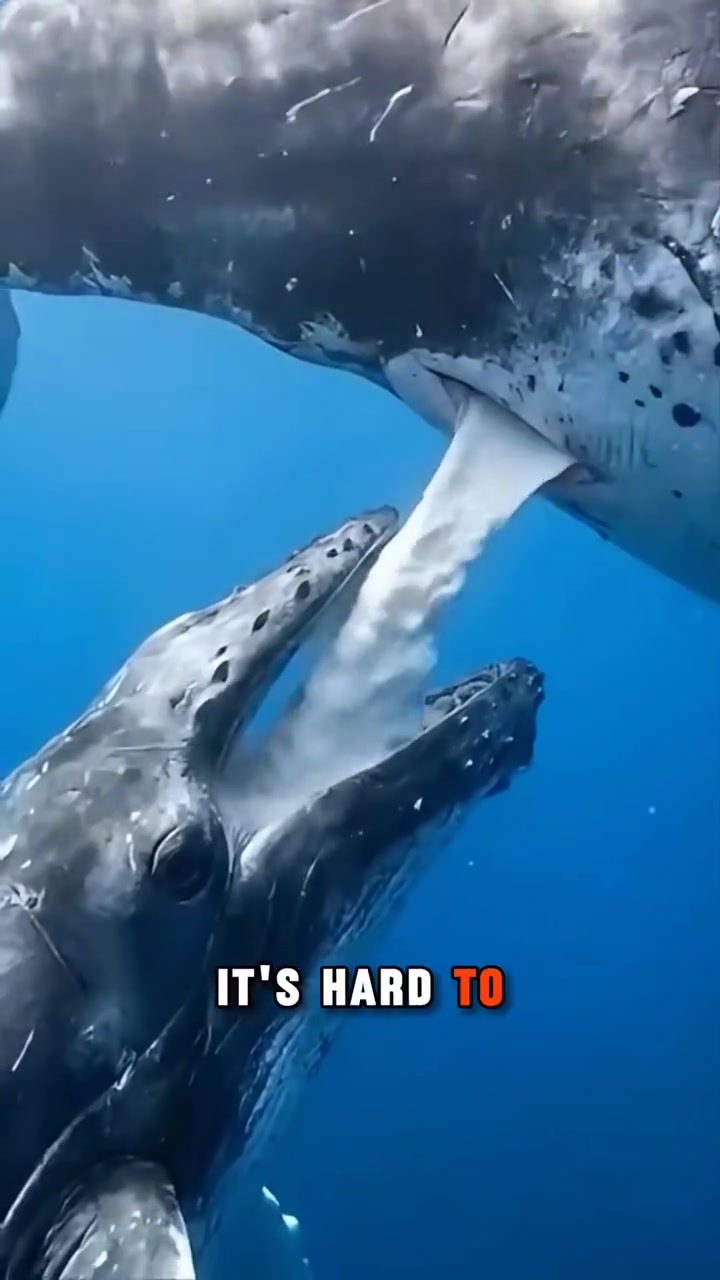
Baby whales drink milk underwater, a process that is quite different from most mammals. Unlike terrestrial mammals, whale calves cannot latch onto a nipple and suck. The lips of whale calves are not flexible enough for this. Instead, a mother whale sprays milk directly into her calf's mouth. This method is essential for survival in the vast ocean.
The Unique Nature of Whale Milk
You might think that the milk would disperse in the ocean, but whale milk is incredibly thick. It contains up to 50% fat, compared to only 5% in human milk. This high-fat content gives the milk a texture more like toothpaste, allowing it to stay together underwater. When a calf is hungry, the mother whale contracts muscles around her mammary glands and shoots milk into her calf's mouth like a high-pressure water jet.
In just a few seconds, she can deliver up to 10 liters of milk. This rapid transfer of nutrients is crucial for the calf's growth and development in the challenging marine environment.
The Extraordinary Growth of Whale Calves
A baby humpback whale, for example, drinks about 600 liters of milk every day. This intense feeding allows the calf to gain nearly 100 kilograms in body weight daily. The rapid weight gain is vital for the survival of the calf, as it prepares for the challenges of life in the ocean.
Most whales are weaned at around 6 months old, but some species nurse much longer. For instance, sperm whale calves may nurse for nearly 2.5 years. Additionally, orca calves can continue nursing until they are about 4 years old. This extended nursing period ensures that the calves receive enough nutrients to grow and develop properly.
Why Calves Need So Much Milk
The high-fat content of whale milk is essential for the rapid growth and development of the calves. Whale calves need to accumulate a significant amount of blubber and energy reserves to survive the harsh conditions of the ocean. Blubber acts as an insulating layer, providing warmth and helping the calves maintain their body temperature in the cold ocean waters.
Calves use their energy reserves to swim long distances, dive to great depths, and feed themselves once they are weaned. The energy reserves also help the calves migrate with their mothers over long distances, allowing them to reach feeding grounds and warmer waters.
The Unique Feeding Mechanism
The method by which whales feed their calves is also remarkable. Mother whales have evolved an extraordinary mechanism to eject milk with force. This is facilitated by the contraction of muscles around their mammary glands, which push the milk out in a directed stream. The high-pressure jet ensures that the milk reaches the calf's mouth, despite the challenges posed by the underwater environment.
The process is streamlined and efficient, allowing the calves to receive the necessary nutrients quickly. This efficiency is crucial in the ocean, where resources can be scarce and the environment is unpredictable.
The Bond Between Mother and Calf
The nursing process also strengthens the bond between the mother and her calf. Whale mothers are highly protective and will defend their calves fiercely. The prolonged nursing period allows for a deeper connection to form, ensuring that the calf is well-prepared for its eventual independence.
Practical Tips for Understanding Whale Behavior
While it is not possible to observe whale nursing in person, understanding the process can enhance your appreciation for these magnificent creatures. If you are planning a whale-watching trip or are interested in marine conservation, knowing how whales nurse and care for their young can deepen your understanding of their needs and challenges.
Important Takeaways
Whale nursing is a fascinating and complex process. Key points to remember include:
- Whale calves cannot latch onto their mother's nipples and must rely on a spray of milk into their mouths.
- Whale milk is incredibly thick and rich in fat, allowing it to stay together underwater and be delivered in a high-pressure jet.
- Whale calves grow rapidly, gaining significant weight through intense milk consumption.
- The nursing period varies by species, with some calves nursing for up to 4 years.
Conclusion
Whale nursing is a remarkable process that showcases the unique adaptations of these marine giants. Understanding how whale calves receive nourishment underwater provides insight into the challenges and strategies of marine life. Whether you are a marine biology enthusiast, a conservationist, or simply curious about the natural world, exploring the intricacies of whale nursing offers a deeper appreciation for these incredible creatures and their adaptations to life in the ocean.
Watch the Reel
Questions readers ask
How do baby whales drink milk underwater without it dispersing in the ocean?
Whale milk has an incredibly high fat content, up to 50%, which gives it a thick, toothpaste-like consistency. This unique characteristic allows the milk to stay together underwater, ensuring that the calf can consume it without the milk dispersing.
What is the difference between whale nursing and terrestrial mammal nursing?
Unlike terrestrial mammals, whale calves do not latch onto a nipple to feed. Instead, mother whales spray milk directly into their calf's mouth. This adaptation is crucial for their survival in the ocean.
What is the role of the mother whale during the underwater feeding process?
The mother whale plays an active role during feeding. She contracts muscles around her mammary glands to release milk into the water, which the calf then consumes. This process builds a strong bond between the mother and her calf.
How do whale calves gain weight so rapidly?
Whale calves gain weight quickly due to the high-fat content of their mother's milk. This nutrient-rich milk provides the necessary energy and nutrients for rapid growth, helping the calf to thrive in the vast ocean environment.
Do all whales feed their calves underwater?
Yes, most whales, including orcas, feed their calves underwater. This process is an adaptation to life in the ocean and is essential for the survival and growth of the calf.
What adaptations do whale calves have to help them drink milk underwater?
Newborn whale calves and their mothers have adapted to underwater feeding. The calf's mouth and jaw are specially designed to receive spurts of milk. Unlike terrestrial mammals, whales have no nippile or teat.
What is the significance of the mother-calf bond in whale nursing?
The mother-calf bond in whales is very important. This bond is established during the underwater feeding process and continues to develop as the calf becomes more independent, contributing to the calf's survival and ability to navigate its ocean habitat.
Related deep dives
Similar reads based on topic and creator.


Recent articles
Fresh deep dives from the latest Reels we unpacked.




Comments
Be the first to comment.