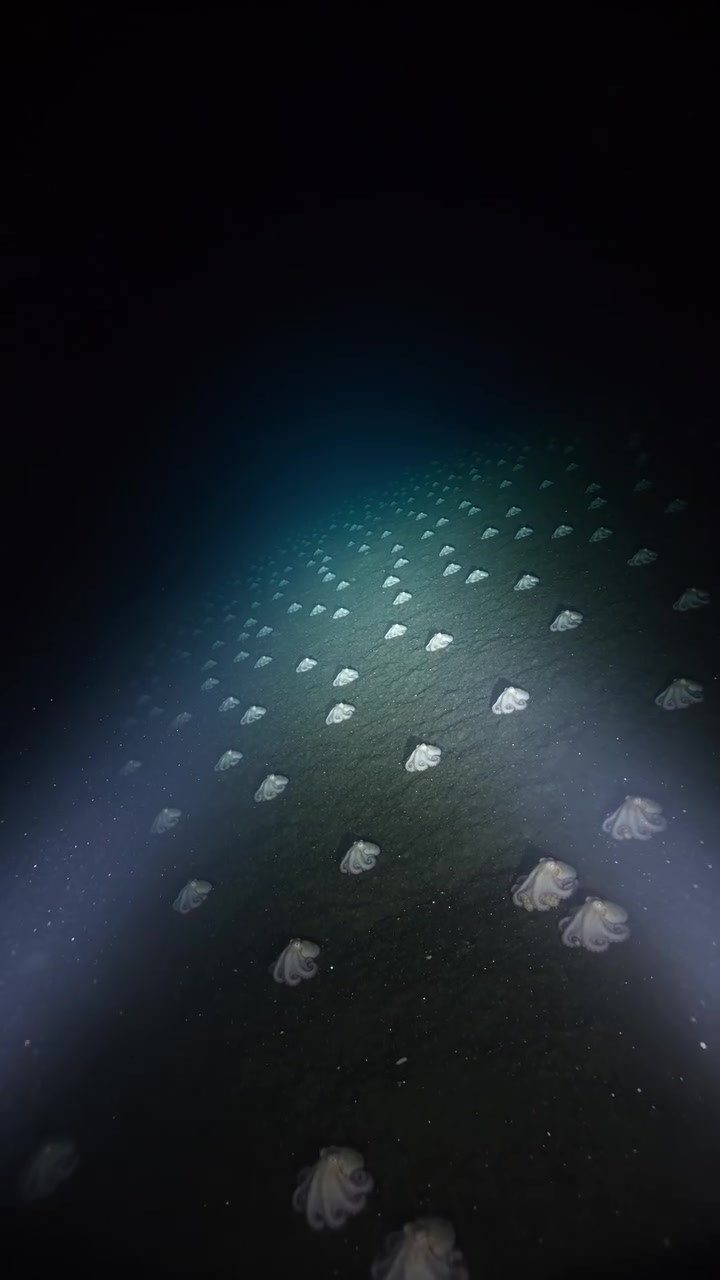
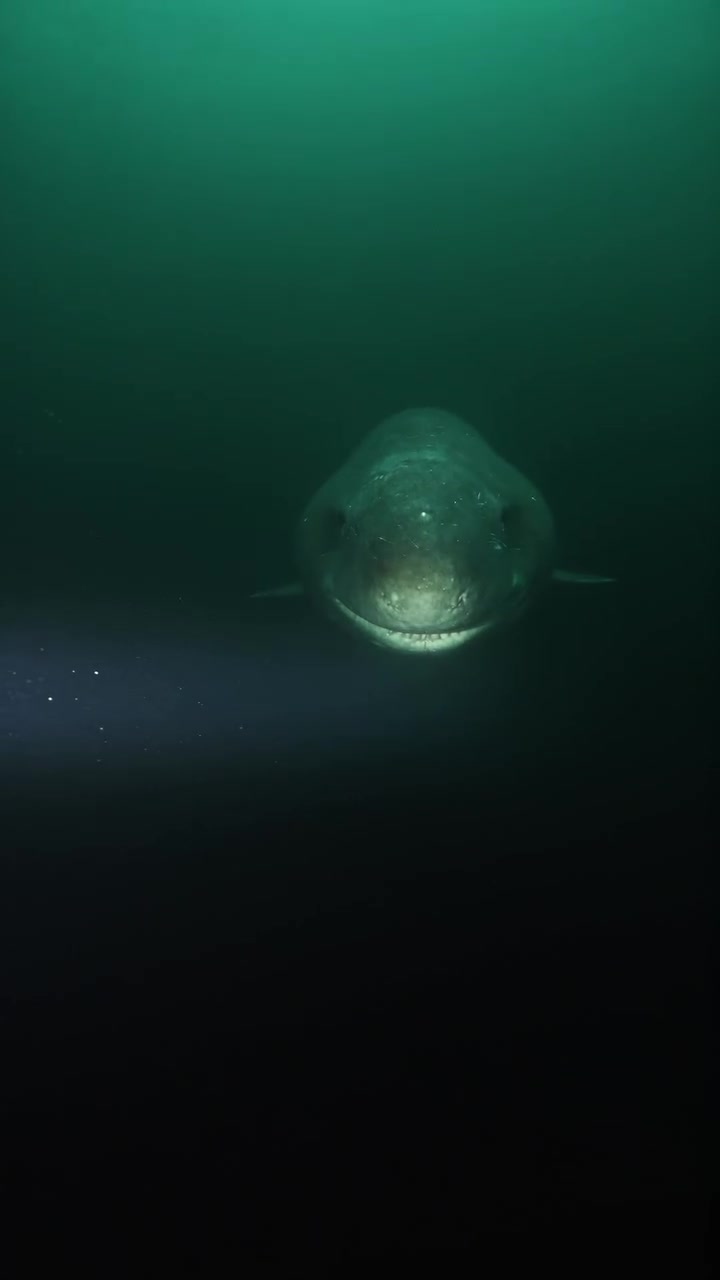
Two miles down in the dark ocean, four extraordinary animals thrive in total absence of sunlight. These deep-dwelling creatures include 20,000 octopus mothers, a shark with a 400-year lifespan, the deepest fish ever filmed, and a whale that feeds the seafloor for 50 years.
Forgotten World: What the Deep Sea Offers
The deep sea remains one of the most mysterious and least explored ecosystems on Earth. In darkness, these creatures must rely on unique adaptations to survive. They vary in the number of arms, size, and feeding habits. "The deepest fish ever filmed" adjusts to the extreme pressure and pitch-black environment. The deep sea includes creatures such as bioluminescent jellyfish and octopuses with tentacles draped over their heads.
Humanity’s Limited Glimpse
The deep ocean's environment is hostile to human exploration. "The largest gathering ever found" of octopuses occurs in total darkness. Though human technology has enabled film-makers to showcase some of these creatures, most of the deep remains unercovered. A few scientists, researchers, filmmakers, prepare special equipment is essential for observing the deep seabed. Miracles unfold in the darkness, far beyond the sunlight that reaches only a few hundred meters beneath the surface. The ocean’s vastness hides thousands of octopuses and a shark that may have lived through centuries.
Satellites for survival: How their Battle for Survival Works
Tackle the Dark with Bioluminescence
The deep ocean is a dark world where sunlight has never reached. Bioluminescence, the ability of living organisms to produce their own light, helps creatures survive in this lightless environment. Many deep-sea animals use bioluminescence for communication, finding prey, and attracting mates. The use of bioluminescence can attract food, confuse predators, or make the organism invisible to enemies.
Bathypelagic Adaptation
Deep-sea creatures often have unique traits to adapt to this environment. Their size may be smaller or larger, lighter or darker than surface creatures, they may have larger eyes, and some use bioluminescence.
Cannibalism and Food Scarcity
Those living in the deep ocean must deal with unending darkness and a scarcity of food. The octopuses stand on bare rock with their tentacles folded "over their heads." They may experience lack of nutrition, and this might make them cannibals.
Prolonged Life
Food scarcity and the environment can also cause limited lifespan for some. Yet, some deep sea creatures can live longer than humans. The Arctic shark, for instance, might be over 400 years old, making it older than most countries and civilizations.
The Afterlife: Whales’ Corpse for the Deep Sea
Whales live most of their lives at the surface of the ocean, but they feed the deep ocean after death. When a whale's body sinks to the seafloor, it provides a rich source of food for decades. This process is crucial for the ecosystem. Nutrients in the whale’s body nourish the deep-sea organisms. This may explain how the deep sea maintains its life.
Exploring the Deep Sea Without Diving
The deep sea consists of thousands of octopuses. It takes patience, equipment, and money to travel to. If you want to explore deep-water creatures, start by learning more about them. Scientific literature and animal documentaries are good sources of information. By understanding these animals and their biology, you can foster appreciation and support for research and conservation efforts. The deep sea is the challenge for humans. For instance:
- Learn More Online: Watching documentaries on deep-sea creatures can help you explore the deep sea from the comfort of your own home. Deep Planet TV is a great resource for undersea video footage.
- Visit Aquariums and Museums: Many aquariums and museums have exhibits dedicated to deep-sea creatures. These can provide a tangible and educational experience.
- Join a Deep-Sea Research Project: Participating in research projects can be a great way to gain firsthand experience and contribute to our understanding of the deep sea.
- Become an Educator: Educators can share their knowledge about the deep sea and inspire the next generation of explorers and scientists.
Watch the Reel
Questions readers ask
What kind of octopuses are found in the deep sea off the California coast?
The article mentions a gathering of 20,000 octopus mothers in the deep sea. These octopuses have a unique appearance, with their tentacles draped over their heads, and they stand on bare rock. They are specially adapted to survive in the dark, food-scarce environment.
How does the shark mentioned in the article live so long?
The Arctic shark, believed to be over 400 years old, lives in the deep sea off the California coast. Its longevity is likely due to the slow metabolism and low energy demands of deep-sea creatures, as well as the stable, cold environment.
What is the deepest fish ever filmed and what makes it unique?
The article refers to the 'deepest fish ever filmed' without specifying the exact species, but mentions that it has adapted to the extreme pressure and pitch-black environment of the deep sea, which makes it unique. This fish is part of the bathypelagic zone, which is characterized by its adaptation to the extreme conditions of the deep sea.
What is the role of bioluminescence in the deep sea?
Bioluminescence is a crucial adaptation for deep-sea creatures. It helps them communicate, find prey, attract mates, and even confuse or evade predators in the dark environment. This natural light production is a vital survival strategy in the absence of sunlight.
How do whales contribute to the deep-sea ecosystem after death?
Whales that die and sink to the seafloor provide a massive influx of nutrients for deep-sea organisms. Their carcasses can feed the ecosystem for decades, supporting a variety of creatures and helping to maintain life in the deep sea.
What challenges do humans face when exploring the deep sea?
The deep sea is extremely hostile to human exploration due to its immense pressure, total darkness, and harsh conditions. Special equipment is required for any observation or filming, and most of the deep sea remains unexplored despite advances in technology.
How do deep-sea creatures adapt to the scarcity of food?
Deep-sea creatures have evolved various strategies to cope with food scarcity, including cannibalism in some cases. The lack of nutrition can drive some creatures, like octopuses, to resort to eating each other. The environment, including the scarcity of food, shapes the behavior and adaptations of these deep-sea dwellers.
Related deep dives
Similar reads based on topic and creator.




Recent articles
Fresh deep dives from the latest Reels we unpacked.
Comments
Be the first to comment.