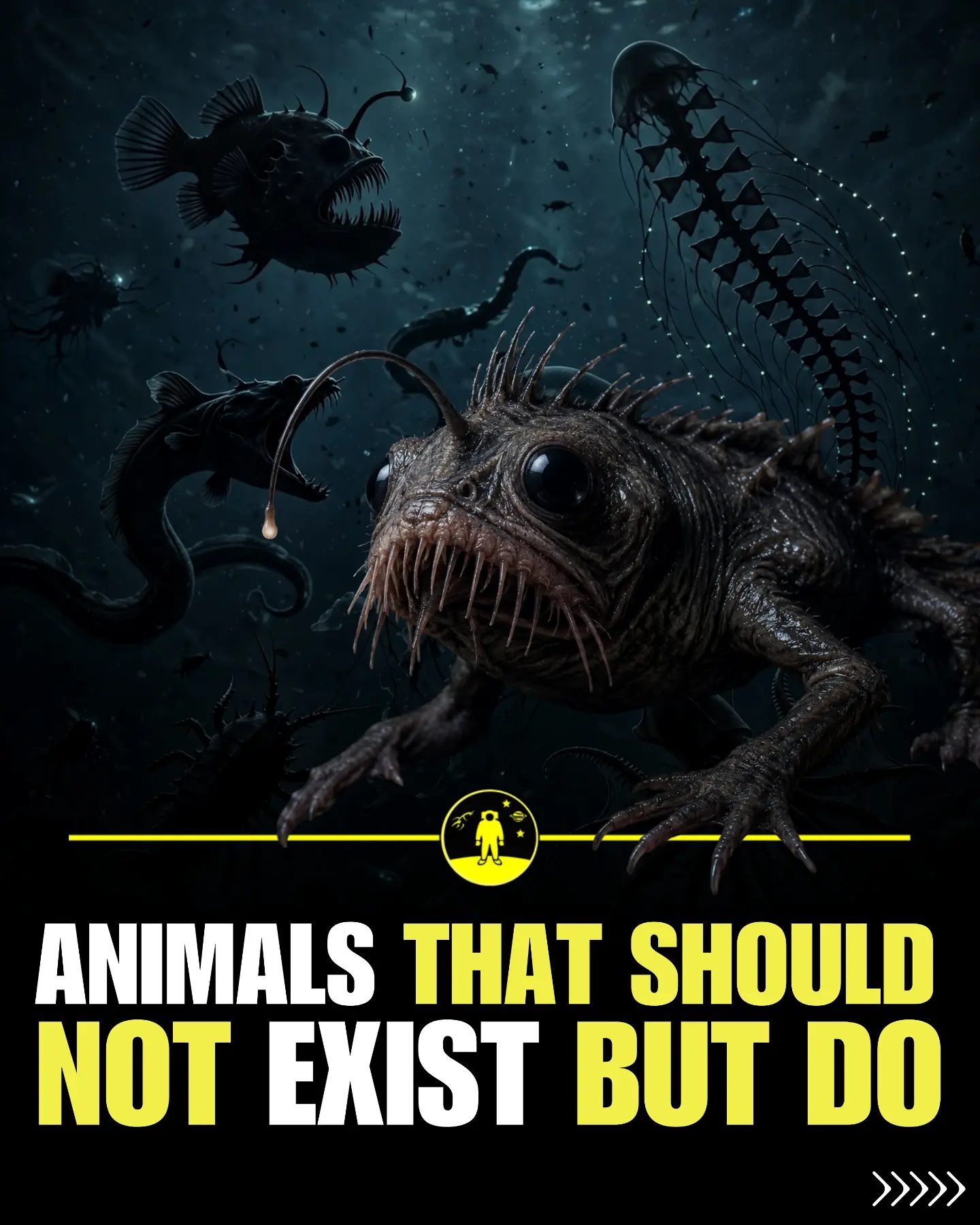
Animals with Extraordinary Abilities: Nature's Marvels
From the depths of the ocean to the lush rainforests, Earth is home to an astonishing array of animals with abilities that seem straight out of a science fiction novel. These creatures challenge our understanding of biology and remind us of the incredible diversity of life on our planet. Let's explore some of these remarkable species and their extraordinary adaptations.
Why This Matters
Understanding the unique abilities of these animals can provide insights into biological processes and inspire new technologies and medical advancements. These creatures have developed solutions to survival challenges that are far more creative than anything humans could imagine. By studying them, we can gain a deeper appreciation for the complexity and resilience of life on Earth.
The Mantis Shrimp: Vision Beyond Human Capabilities
One of the most fascinating creatures is the mantis shrimp, known for its extraordinary vision. This small crustacean can see a broader spectrum of light than humans, including ultraviolet and polarized light. Its eyes are so advanced that they can detect the slightest movement, making it a formidable predator. The mantis shrimp's vision is not just about seeing clearly; it also helps in communication and mating rituals, showcasing the intricate ways in which evolution has honed its abilities.
The Axolotl: Master of Regeneration
The axolotl, a type of salamander, is famous for its ability to regenerate lost body parts. This remarkable creature can regrow limbs, spine, heart tissue, and even parts of its brain without leaving a single scar. The axolotl's regenerative abilities are a subject of intense scientific research, offering potential breakthroughs in human medicine, particularly in the fields of tissue repair and organ regeneration.
The Immortal Jellyfish: Defying Aging
The so-called "immortal jellyfish" (Turritopsis dohrnii) has the astonishing ability to revert to its polyp stage under certain conditions, making it biologically immortal. This process, known as transdifferentiation, allows the jellyfish to essentially restart its life cycle, avoiding the aging process that plagues most other organisms. While it's not truly immortal in the sense of living forever without dying, its unique ability to cheat death makes it one of the most intriguing creatures studied.
Tardigrades: Survivors of Extreme Environments
Tardigrades, also known as water bears or moss piglets, are microscopic creatures renowned for their extraordinary resilience. These tiny organisms can survive extreme conditions, including the vacuum of space, intense radiation, and temperatures ranging from near absolute zero to over 150°C. Their ability to enter a state of cryptobiosis, where metabolic processes stop, allows them to withstand these harsh environments. This resilience has captured the interest of scientists studying the limits of life and the potential for extraterrestrial survival.
The Mimic Octopus: Camouflage Artist
The mimic octopus is a master of disguise, capable of changing its body shape and color to imitate other marine animals. This ability helps it avoid predators and ambush prey. The octopus can mimic species such as lionfish, flatfish, and sea snakes, showcasing an unparalleled level of adaptation and survival strategy. Its camouflage skills are not just for defense; they also play a crucial role in its hunting techniques, making it a formidable predator in its underwater environment.
The Pistol Shrimp: Powerful Predator
The pistol shrimp, despite its small size, is a fearsome predator. It creates a powerful shockwave by snapping its claw at incredible speeds, generating a cavitation bubble that can stun or kill its prey. This unique hunting method demonstrates the diverse and sophisticated ways in which marine life has adapted to thrive in their environments.
The Goblin Shark: Deep-Sea Hunter
The goblin shark is a deep-sea predator known for its extendable jaws, which it uses to capture prey in the dark depths of the ocean. Its jaws can protrude from its mouth, allowing it to seize unsuspecting prey with precision. This adaptation is essential for its survival in an environment where food sources are scarce and competition is fierce.
The Electric Eel: Shocking Predator
The electric eel is another remarkable creature, capable of generating high-voltage electric discharges to hunt and defend itself. Its powerful electric shock can stun or kill prey and discourage predators. This ability is not only a defensive mechanism but also a key part of its hunting strategy, allowing it to navigate and control its environment effectively.
Practical Tips for Observing These Creatures
While it's highly unlikely that many of us will encounter these creatures in the wild, there are ways to learn more about them:
-
Visit Aquariums and Zoos: Many of these animals are on display in zoos and aquariums around the world. Visiting these institutions can provide a unique opportunity to see these creatures up close and learn more about their habitats and behaviors.
-
Documentaries and Online Resources: Watching documentaries and reading articles can offer a wealth of information. Many online platforms provide high-quality content on these fascinating species, including detailed explanations of their adaptations and survival strategies.
-
Join Conservation Efforts: Participating in conservation efforts can help protect these creatures and their habitats. Many organizations focus on preserving marine life and biodiversity, offering opportunities to get involved and make a difference.
Important Takeaways
The abilities of these incredible creatures highlight the boundless creativity of evolution. From the axolotl's regenerative powers to the mimic octopus's camouflage skills, each species has developed unique survival strategies that allow them to thrive in their respective environments. Studying these animals not only deepens our understanding of biology but also inspires new innovations and medical advancements.
Conclusion
Nature's marvels are a testament to the incredible diversity and resilience of life on Earth. From the depths of the ocean to the lush forests, these animals remind us of the endless possibilities that exist in the natural world. By appreciating and studying these extraordinary creatures, we can gain a deeper understanding of our planet and the complex web of life that sustains us.
Watch the Reel
Questions readers ask
What makes the mantis shrimp's sight so extraordinary?
The mantis shrimp possesses one of the most complex and powerful visual systems in the animal kingdom. It has 16 color receptors in its eyes, compared to humans' 3, allowing it to see a vast range of colors and even detect polarized light. This superpower of sight helps it navigate its environment and hunt with remarkable precision.
How does the axolotl's regenerative ability work?
The axolotl, a type of salamander, has the incredible ability to regrow lost body parts, including limbs, spinal cord, heart, and even parts of the brain. This is due to a unique population of cells that can dedifferentiate and proliferate, forming a blastema that develops into a new, fully functional body part.
What are some of the remarkable abilities of deep-sea creatures?
Deep-sea creatures have evolved extraordinary adaptations to survive in the harsh, low-light environments of the ocean depths. These include bioluminescence for communication and hunting, extreme pressure tolerance, and unique sensory systems, such as the ability to detect faint electrical fields or changes in water pressure.
What role does mimicry play in the extraordinary abilities of animals?
Mimicry is a powerful survival strategy used by many animals to either avoid predators or catch prey. Examples include the mimic octopus, which can change its shape and color to mimic other sea creatures, and the venomous coral snake mimic, a non-venomous snake that mimics the coloring of a coral snake to deter predators.
How do these unique animal adaptations inspire medical advancements?
By studying these unique adaptations, scientists can gain insights into biological processes that could lead to medical breakthroughs. For example, research on the regenerative abilities of the axolotl could inspire new treatments for human injuries and diseases, while the unique visual system of the mantis shrimp could inform the development of new imaging technologies.
What are some of the most incredible sea creature powers?
Sea creatures possess a diverse range of remarkable abilities, such as the power of the mantis shrimp's hammer-like appendages, which can strike with the force of a bullet; the octopus's ability to change color and texture to blend into its surroundings, and the bioluminescent displays of certain deep-sea squids, which are used for communication and hunting.
Related deep dives
Similar reads based on topic and creator.




Recent articles
Fresh deep dives from the latest Reels we unpacked.




Comments
Be the first to comment.