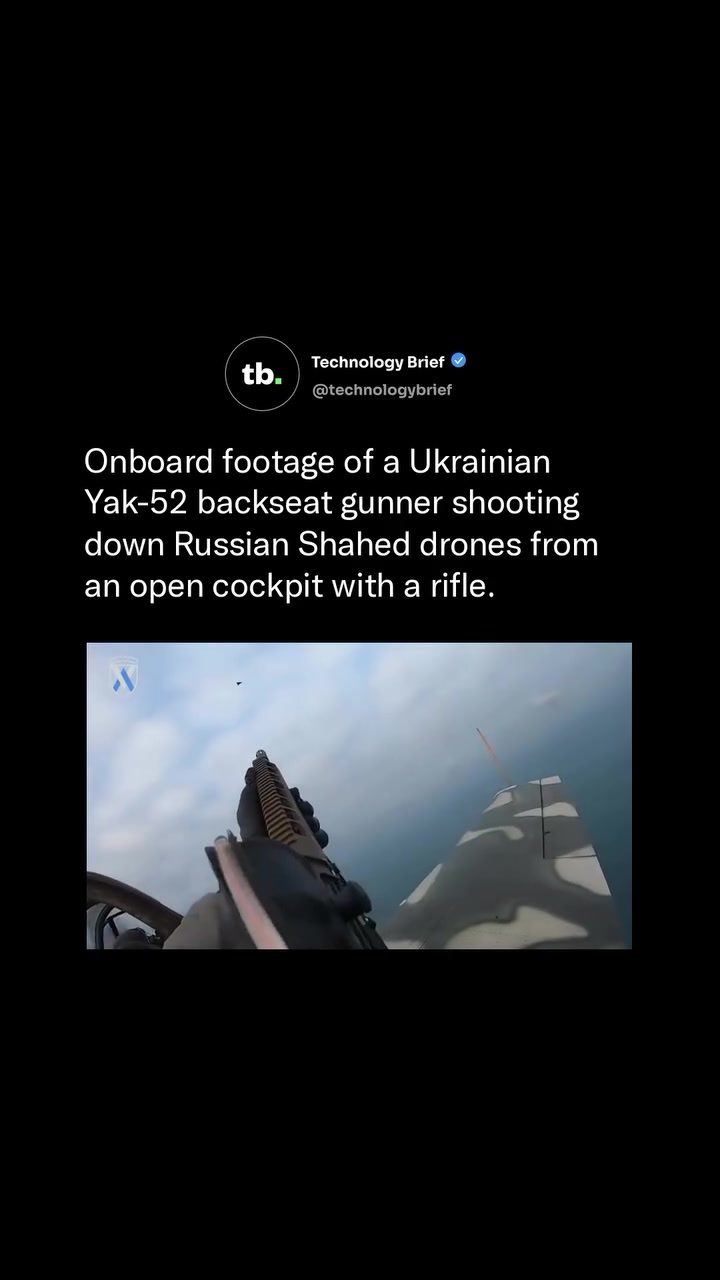
Ukrainian Yak-52: Drone Interceptors
Ukraine has adapted Soviet-era Yak-52 trainer planes to serve as low-cost drone hunters, a tactic that has proven effective against Russian drones, particularly the Shahed and Geran models. This innovative use of vintage aircraft highlights the creativity and resourcefulness of Ukraine's military in the face of modern threats.
Context: The Drone Threat and Ukrainian Innovations
Drone warfare has become a significant component of modern combat, with both sides in the ongoing conflict employing these unmanned aerial vehicles for reconnaissance and offensive operations. Russian forces have used drones extensively, prompting Ukraine to develop countermeasures. The Yak-52, a biplane designed for training pilots, has been repurposed to combat these aerial threats effectively.
The Yak-52's role as a drone interceptor is grounded in its simplicity and cost-effectiveness. These planes are relatively inexpensive to operate and maintain, making them an attractive option for Ukraine's military. Additionally, their open-cockpit design allows for a gunner in the rear seat to engage targets with a handheld rifle or shotgun, mimicking tactics used in World War I aerial combat.
Main Discussion
The Yak-52: A Retro Solution for Modern Problems
The Yak-52 is a biplane designed in the 1940s and has been widely used for pilot training in various countries, including Russia and Ukraine. Its open-cockpit design, which is unusual in modern aircraft, provides a clear line of sight for the gunner. The plane's speed, which can reach up to 285 km/h, is sufficient to intercept and pace the slower-moving Shahed drones, which cruise at roughly 170 to 200 km/h.
Tactical Details of Drone Engagement
The interception process involves a pilot flying the Yak-52 while a gunner in the rear seat opens the canopy mid-flight and engages the drone with a rifle or shotgun. The gunner fires at the drone until it is destroyed. In one confirmed intercept, the gunner fired around eight rounds before the drone detonated in the air. This method relies on ground-based tracking units to guide the Yak-52 until the crew gets visual contact, as the plane carries no radar of its own.
The Role of Ground-Based Tracking
Ground-based tracking units play a crucial role in this operation. These units provide the necessary guidance for the Yak-52 until the crew can visually confirm the target. This approach ensures that the aircraft can intercept the drones effectively, even without onboard radar systems. The integration of ground-based tracking with the Yak-52's manual engagement tactics highlights the adaptability of Ukraine's military strategies.
Historical Parallels and Modern Adaptations
The use of rear gunners in open cockpits engaging targets at close range with small arms echoes World War I aerial combat tactics. This historical parallel underscores the resourcefulness of Ukraine's military, which has adapted vintage aircraft for modern warfare. The success of this method has led to its adoption by Russian forces as well, with reports of Russia adapting its own Yak-52s and even Cessna civilian aircraft for similar roles.
Practical Tips for Effective Drone Interception
Training and Coordination
Effective drone interception requires meticulous training and coordination between the pilot and the gunner. The pilot must maintain a stable flight path while the gunner focuses on engaging the target. Regular drills and simulations can help improve the crew's proficiency and response time.
Equipment Maintenance
Regular maintenance of the Yak-52 and its weaponry is essential for reliable performance. The rifle or shotgun used by the gunner should be well-maintained, and ammunition should be readily available. The aircraft's mechanical components, including the engine and control systems, should be regularly inspected and serviced.
Communication and Guidance
Seamless communication between the ground-based tracking units and the Yak-52 crew is vital. The tracking units should provide clear and accurate guidance to ensure the crew can intercept the drone effectively. Communication equipment should be in good working condition, and backup systems should be in place in case of failures.
Tactical Flexibility
Flexibility in tactics is crucial for adapting to different scenarios. The Yak-52 crews should be prepared to adjust their approach based on the type of drone they encounter and the combat conditions. This includes varying their speed and altitude to intercept the drone effectively.
Important Takeaways
Cost-Effectiveness
The Yak-52's cost-effectiveness makes it a practical choice for drone interception. Its affordability allows Ukraine's military to deploy multiple aircraft without significant financial strain, ensuring a higher chance of intercepting drones.
Tactical Innovation
The adaptation of Soviet-era aircraft for modern drone warfare showcases Ukraine's tactical innovation. This method not only addresses the immediate threat but also sets a precedent for other nations facing similar challenges.
Conclusion
Ukraine's use of Soviet-era Yak-52 trainer planes as drone hunters is a testament to the country's strategic flexibility and resourcefulness. By repurposing these vintage aircraft, Ukraine has developed an effective and cost-efficient method to counter Russian drones. This innovative approach highlights the importance of adaptability and tactical ingenuity in modern warfare, where traditional and unconventional methods coexist to achieve strategic goals.
Watch the Reel
Questions readers ask
How has the Yak-52 biplane been adapted for drone interception in Ukraine?
The Ukrainian military has modified the Yak-52 biplane by outfitting it with guns to engage and shoot down enemy drones. The aircraft's open cockpit design allows for a rear gunner to effectively target and neutralize incoming threats.
What types of drones are the Yak-52s primarily used against?
Ukrainian Yak-52s are often deployed to counter Russian-made drones, particularly the Shahed and Geran models, which are commonly used for reconnaissance and offensive operations.
What are the advantages of using a Yak-52 for drone interception?
The Yak-52's simplicity, low cost, and open-cockpit design make it an effective and agile platform for intercepting drones. Its maneuverability allows it to engage and neutralize threats more efficiently than more modern aircraft.
How do Ukrainian pilots and gunners work together in the Yak-52?
In the Yak-52 drone hunter configuration, the pilot focuses on maneuvering the aircraft while the rear gunner operates the weapon system, tracking and engaging the drones. This division of labor enhances the aircraft's effectiveness in intercepting enemy drones.
What other innovative tactics have Ukrainian forces employed against drone threats?
In addition to using Yak-52s, Ukrainian forces have developed a variety of tactics, including the use of electronic warfare systems to disrupt drone communications, and the deployment of ground-based anti-drone systems to protect critical infrastructure.
How does the open-cockpit design of the Yak-52 benefit its role as a drone hunter?
The open-cockpit design of the Yak-52 provides a clear field of vision for the rear gunner, allowing for better targeting and engagement of enemy drones. This design feature significantly enhances the aircraft's combat effectiveness in drone interception missions.
What kind of footage is captured by the Yak-52 drone hunters during their missions?
The Yak-52 drone hunters often capture aerial combat footage, documenting their successful interceptions of Russian drones. This footage not only provides valuable intelligence but also serves as a morale booster for Ukrainian forces and a demonstration of their innovative tactics.
Related deep dives
Similar reads based on topic and creator.




Recent articles
Fresh deep dives from the latest Reels we unpacked.




Comments
Be the first to comment.