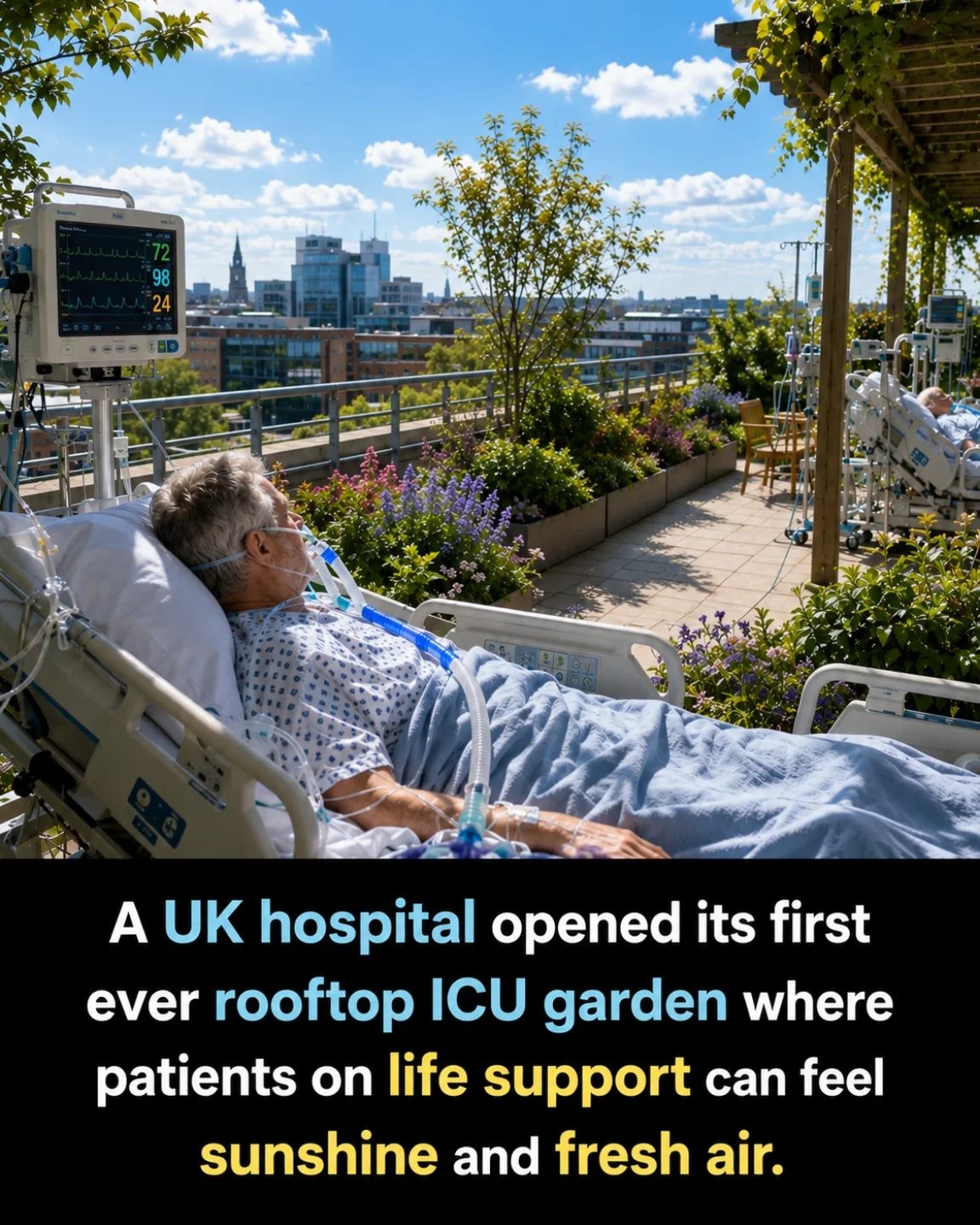
Rooftop ICU Gardens: A Breath of Fresh Air for Critical Care
Rooftop ICU Gardens are transforming the landscape of critical care, offering patients on life support the chance to experience the outdoors from the comfort and safety of their hospital beds. This innovative approach to patient care provides a much-needed respite from the clinical environment, promoting healing and well-being in a serene, natural setting.
Why This Matters
For patients in intensive care units (ICUs), the hospital environment can be sterile, noisy, and overwhelming. The introduction of rooftop gardens offers a unique solution that addresses both the physical and psychological needs of patients. By providing access to fresh air and natural light, rooftop ICU gardens can significantly enhance the healing process. These gardens not only serve as a therapeutic space for patients but also offer a peaceful environment for medical staff, fostering a more positive work environment.
The Benefits of Rooftop ICU Gardens
Enhanced Patient Comfort
Rooftop ICU gardens provide a serene and peaceful atmosphere that can help reduce stress and anxiety for patients on life support. The presence of natural elements, such as greenery and sunlight, can have a calming effect, making the recovery process more comfortable.
Improved Healing Environment
Exposure to natural light and fresh air is known to improve mood and overall well-being. For patients who are confined to their beds, the opportunity to experience the outdoors can be incredibly beneficial. The garden setting can help alleviate symptoms of depression and improve sleep patterns, contributing to a faster recovery.
Support for Medical Staff
The rooftop garden also serves as a unique and beneficial space for medical staff. Taking breaks in a natural, peaceful setting can help reduce burnout and improve job satisfaction. The garden provides a quiet space for staff to recharge, making them more effective in their roles.
Logistical Advantages
Rooftop gardens are strategically placed to minimize disruption to hospital operations. By utilizing rooftop spaces, hospitals can create additional recreational areas without compromising valuable floor space. This makes rooftop gardens a practical and efficient solution for enhancing patient care.
Practical Tips for Implementing a Rooftop ICU Garden
Assess Feasibility
Before initiating a rooftop ICU garden project, it is essential to assess the structural integrity of the hospital's rooftop. Consult with engineers to ensure the rooftop can safely support the necessary infrastructure, including medical equipment and patient mobility aids.
Design for Accessibility
The design of the garden should prioritize accessibility for patients on life support. This includes ensuring that the garden has smooth, even surfaces for easy navigation of medical beds and wheelchairs. Raised beds and planters can also be incorporated to allow patients to enjoy the gardens from different angles.
Safety First
Safety is paramount when designing a rooftop ICU garden. Ensure that the garden is enclosed with secure railings to prevent falls. Additionally, consider the use of non-slip materials and adequate lighting for nighttime use.
Incorporate Nature
Incorporate natural elements such as plants, trees, and flowers to create a soothing environment. The choice of plants should be mindful of the needs of patients, avoiding those that may cause allergies or require significant maintenance. Consider incorporating sensory elements like wind chimes or water features to enhance the therapeutic experience.
Collaborate with Healthcare Professionals
Consult with medical professionals, including nurses and doctors, to ensure that the garden meets the specific needs of ICU patients. This collaboration can help tailor the space to provide the best possible support for patient recovery.
Important Takeaways
Rooftop ICU gardens offer a unique and valuable addition to hospital care, providing a peaceful and therapeutic environment for patients on life support. These gardens not only enhance patient comfort but also support the well-being of medical staff. By creating a serene outdoor space, hospitals can foster a more positive and healing environment, contributing to better patient outcomes and improved staff morale.
Conclusion
Rooftop ICU gardens represent a forward-thinking approach to critical care, blending the benefits of nature with the necessities of medical treatment. By offering patients and staff a peaceful respite from the clinical environment, these gardens can significantly improve the overall hospital experience. As more hospitals adopt this innovative solution, the positive impact on patient recovery and staff satisfaction is likely to be profound.
Watch the Reel
Questions readers ask
What are the primary benefits of a hospital rooftop garden for ICU patients?
Rooftop gardens provide ICU patients with access to fresh air, natural light, and a calming environment. These elements can aid in recovery by reducing stress and offering a peaceful escape from the clinical surroundings. Additionally, exposure to nature can help alleviate the psychological strain often associated with critical care.
How do rooftop ICU gardens impact the well-being of medical staff?
The serene atmosphere of rooftop gardens can also benefit medical staff. The green spaces offer a respite from the intense and often overwhelming clinical environment, providing a place for relaxation and stress relief. This can ultimately enhance the quality of care given to patients.
What considerations go into the design of a rooftop ICU garden?
The design of a rooftop ICU garden focuses on creating a safe and accessible environment for critically ill patients. Key factors include providing comfortable seating for patients and visitors, ensuring easy navigation for hospital staff, and incorporating plants and greenery that thrive in the rooftop conditions.
Can rooftop gardens be accessed by all ICU patients?
Rooftop gardens are designed to be accessible to most ICU patients, including those on life support. The gardens are typically equipped with features like wheelchair ramps, comfortable seating, and safety rails to ensure ease of access for patients and visitors alike.
What role does natural light play in ICU gardens?
Natural light is a vital component of rooftop ICU gardens. Exposure to natural light can help regulate a patient’s circadian rhythm, improving sleep patterns and overall mood. It also contributes to the serene atmosphere, making the space more inviting and conducive to relaxation.
How do ICU rooftop gardens differ from other hospital green spaces?
ICU rooftop gardens are specifically tailored for critically ill patients, offering direct access from the ICU units and providing a safe, controlled environment for those on life support. Unlike other hospital green spaces, ICU rooftop gardens are designed to be easily accessible for all patients, including those with limited mobility, enhancing their recovery experience.
Are there any notable success stories of a rooftop ICU garden?
While specific success stories may vary by hospital, rooftop ICU gardens have shown positive impacts on patient recovery and stress reduction in various healthcare settings. Hospitals implementing these gardens often report enhanced patient satisfaction, improved staff morale, and better overall healing outcomes.
Related deep dives
Similar reads based on topic and creator.




Recent articles
Fresh deep dives from the latest Reels we unpacked.




Comments
Be the first to comment.