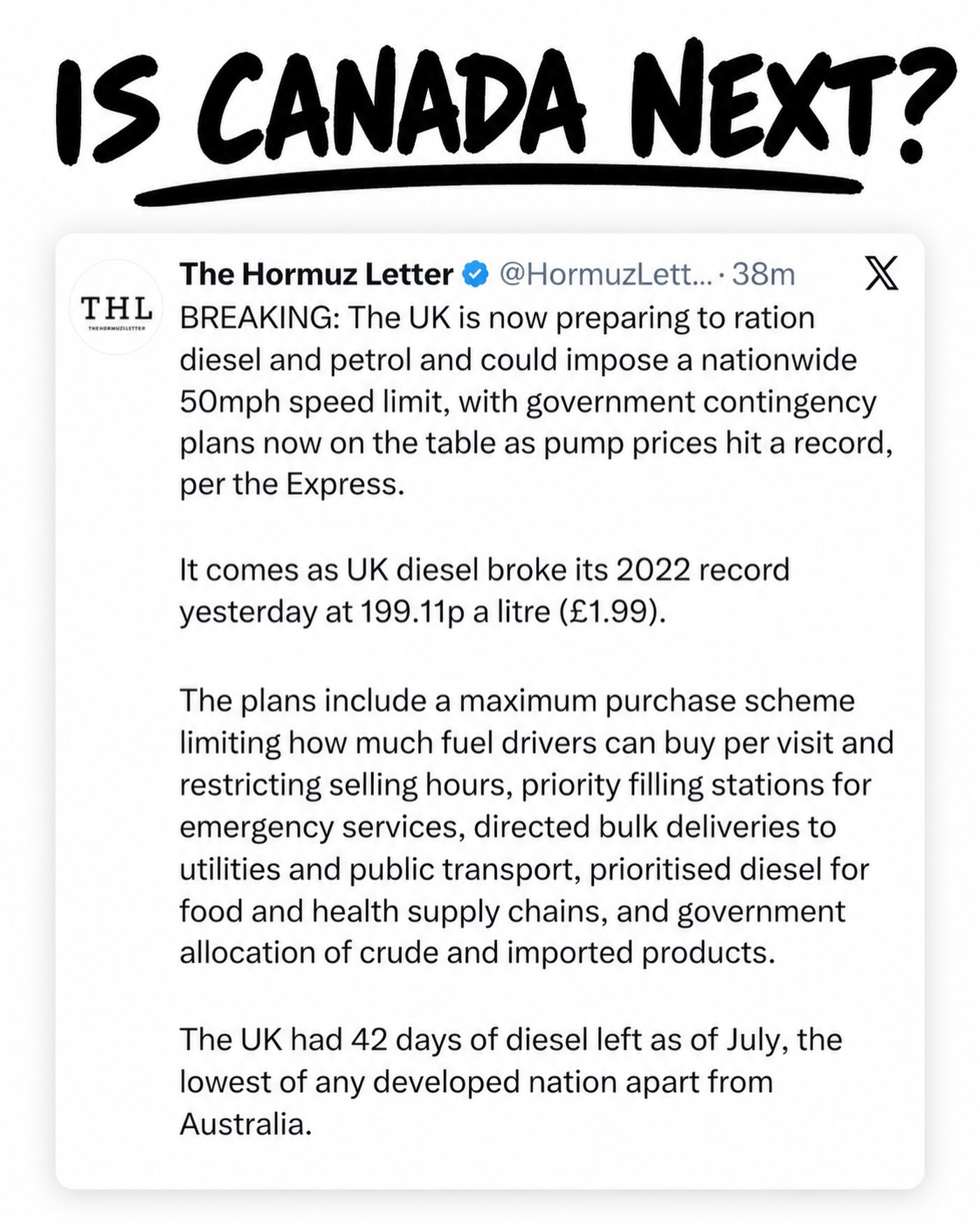
The UK government has contingency plans to ration diesel and petrol supplies and impose nationwide speed restrictions. The pressure comes as diesel prices hit record highs and supplies dwindle — the UK has only 42 days of diesel left. Fuel rationing would significantly alter daily life. As diesel and petrol supplies shrink, the UK plans to maximize available stocks.
Must-Have Strategy for Shortage
The plan to ration fuels includes limiting how much drivers can buy, blocking purchases outside of set hours, and prioritizing certain sectors. This is in response to dwindling diesel supplies. The government may also restrict speeds to 50 miles per hour, a significant drop to current limits, and prioritise transport for emergency services, public transport, and utilities. The British public could soon face an unprecedented fuel crisis if the government implements these contingency plans. Critical infrastructure and emergency services are in the limelight of fuel rationing. The government's plan to allocate diesel is not merely a survival strategy. It’s a contingency plan that will give vital industries a priority.
Fuel Supply Anxiety
Fuel rationing isn't the norm. One of the key reasons a government turns to rationing fuel is to make supplies go further by limiting purchases and prioritizing certain industries. Fuel rationing isn't only a measure of last resort, but it indicates growing concern over the UK's fuel supplies and price inflation.
Historical Rationing
The last UK fuel rationing took place over 40 years ago. Recent history provides a solid framework for understanding fuel rationing and how it affects everyday life. The UK once faced fuel shortages in the 1970s and 1980s, nearly five decades ago. Panic buying and supply issues led to rationing. The government had to limit fuel supplies to make the most of the available resources.
Limiting Fuel Buying
The UK's fuel rationing involves limiting how much drivers can buy per visit by implementing a maximum purchase scheme. This plan prioritizes emergency services. The government will ensure that emergency services have enough fuel to operate with priority filling stations and directed deliveries. The government will continue to allocate diesel for essential food and health supply chains.
Evening Drives
Government rationing could mean evening drives may be off-limits. Evening drives could be part of the rationing plans, which will restrict selling hours. The government will set a limit on how much fuel drivers can buy per visit, prioritizing emergency purchases. Seeking fuel outside of these hours will leave you without any gas.
International Comparison
The UK isn’t alone in facing fuel rations. The situation brings to mind fuel shortages in other countries. Australia is the only developed nation with less diesel stock than the UK. The dwindling supply of diesel in both countries is part of a worrying global trend. Lowering speeds to 50 miles per hour is not unprecedented in the UK.
Gas and Go
There’s no guarantee another vehicle will have a full tank, and there’s no guarantee any nearby service station will be open. Drivers will have to do a balancing act to work fuel purchases around a new schedule. For the average driver, gas station visits will become part of a structured routine. There will be a time limit on fuel purchases. Drivers will face long lines and wait times.
- Gas up regularly: **Checking your fuel gauge regularly is essential when rationing is in effect.**It’s essential to keep your tank top priority when rationing begins.
- Look for dealies: Bear in mind that filling stations may have stricter hours. You'll be limited on how much fuel you can buy per visit.
Fueling a Changed Future
Fuel rationing will make every trip a roller coaster; drivers face uncertain situations. We cannot avoid a future without fuel rationing. It’s a plan that the UK government is considering.
Watch the Reel
Questions readers ask
What exactly is fuel rationing and how will it affect my daily life?
Fuel rationing is a strategy where the government limits how much fuel drivers can buy and sets specific times for purchasing fuel. This can significantly impact your daily life, especially if you rely heavily on your vehicle for commuting or other essential activities. You might face restrictions on when and how much fuel you can purchase, and your evening drives could be limited.
Why is the UK considering fuel rationing?
The UK is considering fuel rationing due to record-high diesel prices and dwindling supplies. With only 42 days of diesel left, the government is preparing contingency plans to manage the crisis. It’s a measure to ensure that critical services and essential sectors have enough fuel to operate.
How will a 50 mph speed limit affect fuel consumption and driving?
A 50 mph speed limit is expected to reduce fuel consumption, as driving at lower speeds generally improves fuel efficiency. However, it will also mean longer travel times for drivers, which could impact commuting and logistics. The government is considering this measure to stretch available fuel supplies.
What sectors will be prioritized during fuel rationing?
Critical infrastructure and emergency services will be prioritized. This includes public transport, utilities, and essential food and health supply chains. The government plans to allocate fuel to these sectors to ensure their operations are not disrupted.
When was the last time the UK implemented fuel rationing?
The last time the UK implemented fuel rationing was over 40 years ago, during the 1970s and 1980s. Panic buying and supply issues led to this measure, which was taken to make the most of the available resources.
How does the UK's current fuel situation compare to other countries?
The UK is not alone in facing fuel shortages. Australia, for instance, has even less diesel stock than the UK, highlighting a global trend of dwindling fuel supplies. The UK's situation is part of a broader issue affecting many countries around the world.
Related deep dives
Similar reads based on topic and creator.

Recent articles
Fresh deep dives from the latest Reels we unpacked.




Comments
Be the first to comment.