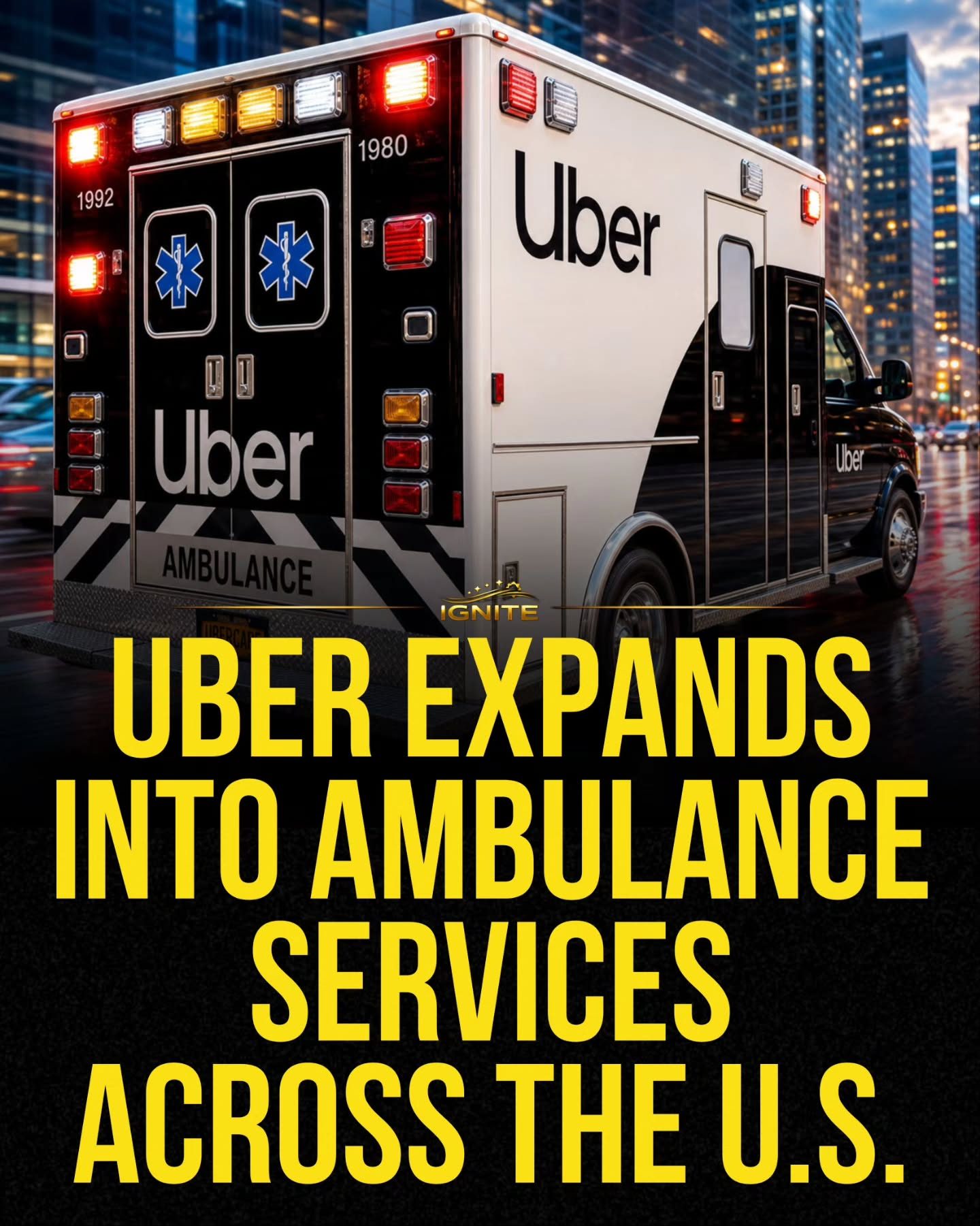
Uber's Foray into Ambulance Services: Transforming Emergency Transportation
Uber is expanding its services to include ambulance transportation, marking a significant shift in the ride-sharing giant's business model. This initiative, announced with an Uber-branded ambulance parked on a city street, signals the company's ambitious plans to revolutionize emergency transportation across the United States.
Context / Why This Matters
Traditionally, ambulance services have been provided by local governments, private companies, or volunteer organizations. Uber's entry into this sector introduces a new dynamic, leveraging its vast network and technological prowess to potentially enhance response times, streamline logistics, and improve overall efficiency. This move is particularly noteworthy as it addresses critical gaps in rural and underserved areas, where access to emergency medical services can be limited.
Main Discussion
The Need for Innovation in Emergency Transportation
The need for innovation in emergency transportation is undeniable. In many urban and rural areas, response times can be a matter of life and death. Uber's extensive network of drivers and advanced logistics technology could significantly reduce these times. The dates '1980' and '1992' visible on the ambulance might indicate milestones in the company’s history or the ambulance’s service years, symbolizing the longevity and reliability that Uber aims to bring to emergency services.
How Uber's Ambulance Service Works
While specific details on the operational framework are limited, it's reasonable to assume that Uber's ambulance service will integrate seamlessly with its existing ride-sharing platform. Users in need of emergency transportation could request an ambulance through the Uber app, potentially reducing wait times and ensuring that the nearest available vehicle responds to the call.
Technological Integration and Logistics
Uber's expertise in logistics and route optimization could be a game-changer in emergency transportation. The company's algorithms could prioritize the nearest available ambulance, reducing response times and ensuring that patients receive timely care. Integrating this service with existing emergency response systems, such as 911, would be crucial for its success.
Potential Challenges and Considerations
Despite the potential benefits, several challenges lie ahead. The primary concern is ensuring the safety and reliability of the service. Ambulance drivers would need to be highly trained, and the vehicles would need to meet stringent safety and medical standards. Additionally, integrating with existing emergency response systems and ensuring compliance with local regulations could be complex.
Practical Tips
For Users
Download the Uber App: While the ambulance service might integrate directly into the existing Uber app, downloading and familiarizing yourself with it can ensure quick access in case of an emergency.
Stay Updated: Keep an eye on announcements from Uber for updates on service availability and how to request an ambulance through the app.
For Healthcare Providers
Cooperation with Local Authorities: Healthcare providers should collaborate with local authorities to ensure that Uber’s ambulance service integrates smoothly with existing emergency response systems.
Training and Compliance: Ensure that all personnel involved in the ambulance service are adequately trained and that the vehicles meet all necessary safety and medical standards.
For General Public
Avoid Abuse of Service: Emergency services should be used responsibly. Misuse can strain resources and delay response times for those in genuine need. Always call the ambulance for legitimate emergencies.
Important Takeaways
Uber's foray into ambulance services represents a significant shift in the way emergency transportation could be managed. By leveraging their extensive network and advanced technology, Uber aims to improve response times and enhance the efficiency of emergency services. However, this initiative comes with its own set of challenges, including ensuring safety, compliance, and integration with existing systems.
Conclusion
Uber's expansion into ambulance services is a bold step that could transform emergency transportation across the United States. With its vast network and technological expertise, Uber is well-positioned to address critical gaps in emergency medical services, particularly in underserved areas. As this service rolls out, it will be crucial for the company to work closely with local authorities and healthcare providers to ensure seamless integration and maintain the highest standards of safety and reliability.
Watch the Reel
Questions readers ask
Who will be providing the medical personnel for Uber's ambulance service?
Uber has not yet detailed the specific medical personnel arrangements for their ambulance service. However, it is likely that they will partner with certified medical providers to ensure patients receive proper care during transport. This aspect is crucial for maintaining the quality and reliability of the service.
How will Uber's ambulance service impact local emergency transport providers?
The impact of Uber's ambulance service on local providers remains to be seen. Uber's entry into the market could potentially enhance competition, leading to improved services and faster response times. However, local providers may face challenges in adapting to this new dynamic, especially in terms of logistical adjustments and maintaining their patient base.
What areas will Uber's ambulance service be available in initially?
Uber has announced plans to launch the service across the United States, but specific launch cities and regions have not yet been disclosed. Given Uber's extensive network, the service is expected to be available in major urban areas first, with potential expansion into rural and underserved communities over time.
How will Uber ensure the reliability and safety of its ambulance service?
Uber will need to implement rigorous training and certification programs for its drivers and medical personnel. Additionally, the company will likely utilize its advanced technology to monitor and optimize response times, ensuring that patients receive timely and reliable care. Continuous feedback and improvement based on user reviews and operational data will be essential.
What kind of vehicles will Uber use for its ambulance service?
While Uber has showcased an Uber-branded ambulance, the specific types of vehicles that will be used for the service have not been fully detailed. It is expected that the vehicles will be equipped with necessary medical equipment and meet the standards required for emergency transport. Details about the vehicle specifications and customizations are likely to be released as the service approaches its launch.
How will Uber's ambulance service handle medical emergencies during transport?
Uber's ambulance service will need to have protocols in place for managing medical emergencies during transport. This includes having trained medical personnel on board, ensuring the vehicles are equipped with necessary medical supplies, and maintaining clear communication lines with hospitals and other healthcare facilities. The ability to handle emergencies effectively will be a key factor in the service's success.
What measures will Uber take to ensure the privacy and confidentiality of patients?
Uber will need to implement strict privacy measures to protect patient information. This includes secure data handling, clear guidelines for drivers and medical personnel, and compliance with healthcare regulations. Ensuring the privacy and confidentiality of patients will be crucial for building trust and maintaining high-quality service standards.
Related deep dives
Similar reads based on topic and creator.




Recent articles
Fresh deep dives from the latest Reels we unpacked.




Comments
Be the first to comment.