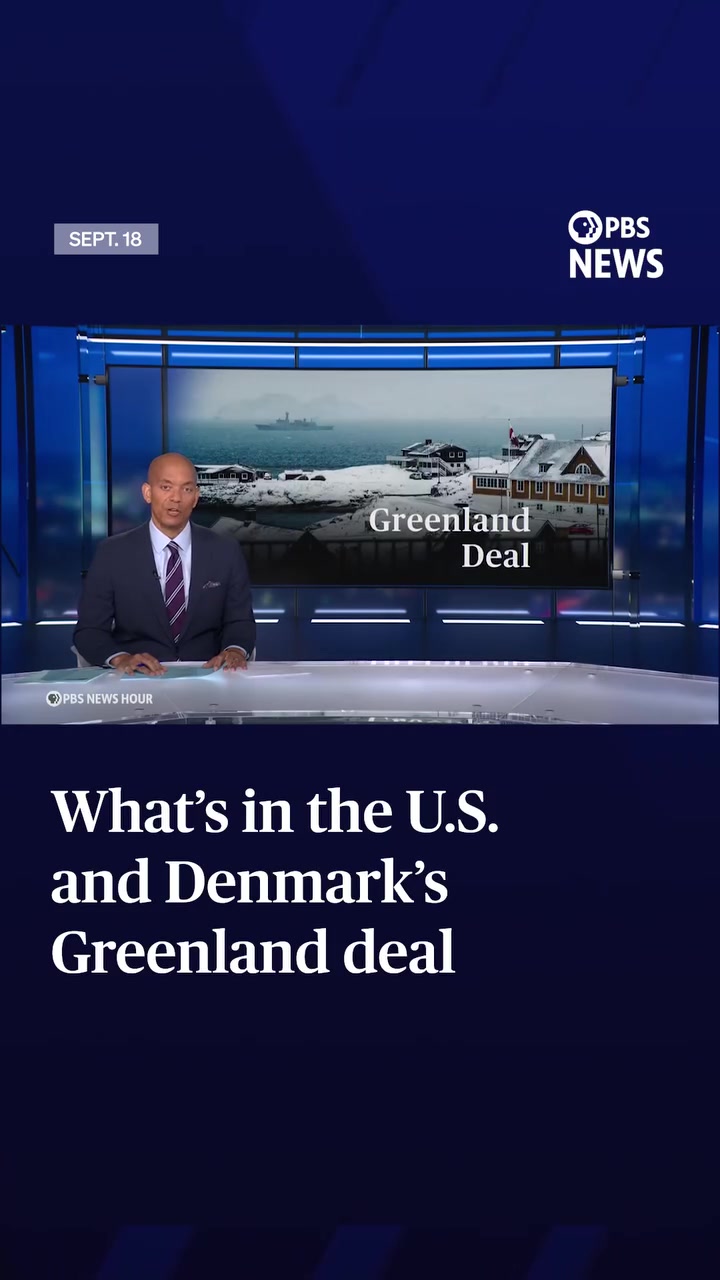
The Deal Unveiled
On September 18, President Donald Trump divulged a deal struck between the U.S. and Denmark that grants the United States permanent control over Greenland's security and allows for the construction of new bases on the strategic island. This deal was announced on social media, where Trump said the agreement would allow the U.S. to meet all its security concerns in Greenland without any cost to the United States. The mineral-rich island, which has been part of the Kingdom of Denmark since the 170s, is now set to be a critical part of the U.S. national strategy.
The Geography of Power
The Greenland deal comes at a time when the Arctic region is increasingly important for its geopolitical and economic value. Climate change has led to a rise in shipping routes around Greenland, making them viable options, especially for ships from Russia and China. Russia and the U.S. are currently the only countries with claimed territories in the Arctic. The Greenland deal helps secure U.S. interests, as the island acts as a bridge between North America and Eurasia, while securing the shortest distance between the U.S. and Russia.
The Fine Print of the Deal
Permanent Control and Air Access
The deal gives the U.S. permanent U.S. basing, access, and overflight rights. This means the U.S. can build and maintain bases on Greenland, fly over Greenland, and keep that ability, no matter what Greenland chooses for its own political future in any kind of self-referendum. The U.S. can create new bases on the island, fly over Greenland, and keep that ability, regardless of Greenland's political decisions. This ensures the U.S. can maintain military presence and conduct military operations in the region without interruption.
Security and Investment Control
The deal bans non-NATO bases, effectively preventing Russia and China from establishing bases or military installations in Greenland. Additionally, a screening mechanism for investments restricts any Russian or Chinese investments in the island. The Greenland population can choose its political future, and no territory is transferred to the United States. This deal was a relief for European officials who were concerned about the U.S. annexing Greenland, as Trump had previously stated.
Dropping Old Frustrations
The deal ultimately addresses the rift between the U.S. and Europe. Trump’s initial interest in acquiring Greenland had been seen as a threat to European sovereignty. The president had said he wanted Greenland, not just a bit more access. This was a real threat to European sovereignty, but the current deal ensures that Greenland's political future is in the hands of its people, and the threat to European sovereignty is eliminated.
What the Deal Means for the U.S. and the World
National Security Concerns
The primary security concern for the U.S. is that Greenland acts as the shortest distance between Russia and the U.S. The opening of new shipping routes around Greenland has also led to increased activity from Russian and Chinese ships. The deal ensures that the U.S. can protect its air defense and monitor the activities in the region.
Economic Interests
Greenland is rich in minerals, and the U.S. has seen it as a good investment place. President Trump’s interest in Greenland has also been driven by its economic prospects. With the deal, the U.S. can secure American investment rights when it comes to critical minerals, thereby securing its economic future in the region.
The Next Steps
This agreement has left both U.S. and European officials happy, as it addresses the major concerns. The United States will continue to be a key player in the area, securing its national security and economic interests. The future of Greenland, however, remains in the hands of its people, making it an interesting geopolitical and economic space to watch in the coming years.
Critical Minerals
Greenland’s rich mineral reserves are of critical importance to the U.S. The agreement ensures that no Chinese or Russian investments are allowed in Greenland, protecting the island’s resources. It has also banned non-NATO bases on Greenland, furthering the security of the region. The deal is a testament to the evolving geopolitical landscape and the changing dynamics of power in the Arctic region. It ensures that the United States can continue to maintain its position as a key player while also addressing the concerns of European allies. The agreement secures the future of Greenland, allowing its people to choose their political future while also ensuring that the U.S. can protect its national security and economic interests.
Watch the Reel
Questions readers ask
What does the deal between the U.S. and Denmark over Greenland entail?
The deal grants the U.S. permanent control over Greenland's security, allowing for the construction of new military bases. It also ensures that the U.S. has permanent basing, access, and overflight rights, regardless of Greenland's political future. The deal also restricts non-NATO countries, like Russia and China, from establishing bases or military installations in Greenland, and includes a screening mechanism for investments from these countries.
Why is Greenland considered strategically important for the U.S.?
Greenland's strategic importance lies in its geopolitical and economic value. It bridges North America and Eurasia, making it a critical part of the U.S. national strategy. Additionally, the island's mineral resources and the opening of new shipping routes due to climate change make it an important area for the U.S. to secure. Greenland is the shortest distance between Russia and the U.S., making it a key area for monitoring Russian and Chinese activities.
How does the deal impact Greenland's political future?
The deal ensures that Greenland's political future remains in the hands of its people. Greenland can choose its own political future, and no territory is transferred to the United States. This addresses concerns raised by European officials who were worried about the U.S. annexing Greenland, as Trump had previously stated.
What specific security measures does the deal provide for the U.S.?
The deal allows the U.S. to build and maintain bases on Greenland, fly over the island, and conduct military operations without interruption. It also bans non-NATO bases, effectively preventing Russia and China from establishing military installations in Greenland. This ensures that the U.S. can protect its air defense and monitor activities in the region, especially with the increased presence of Russian and Chinese ships due to new shipping routes.
Why did the U.S. and Denmark decide to make this deal now?
The deal comes at a time when the Arctic region is increasingly important for its geopolitical and economic value. Climate change has led to a rise in shipping routes around Greenland, making it a viable option for ships from Russia and China. This has increased the strategic importance of securing Greenland for the U.S. The deal addresses the rift between the U.S. and Europe, eliminating the threat to European sovereignty that Trump's initial interest in acquiring Greenland had posed.
How does the deal address the concerns of European officials?
The deal ensures that Greenland's political future is in the hands of its people, and no territory is transferred to the United States. This addresses the concerns of European officials who were worried about the U.S. annexing Greenland, as Trump had previously stated. The deal also ensures that the U.S. and Europe are on the same page regarding Greenland's security and strategic importance.
Recent articles
Fresh deep dives from the latest Reels we unpacked.




Comments
Be the first to comment.