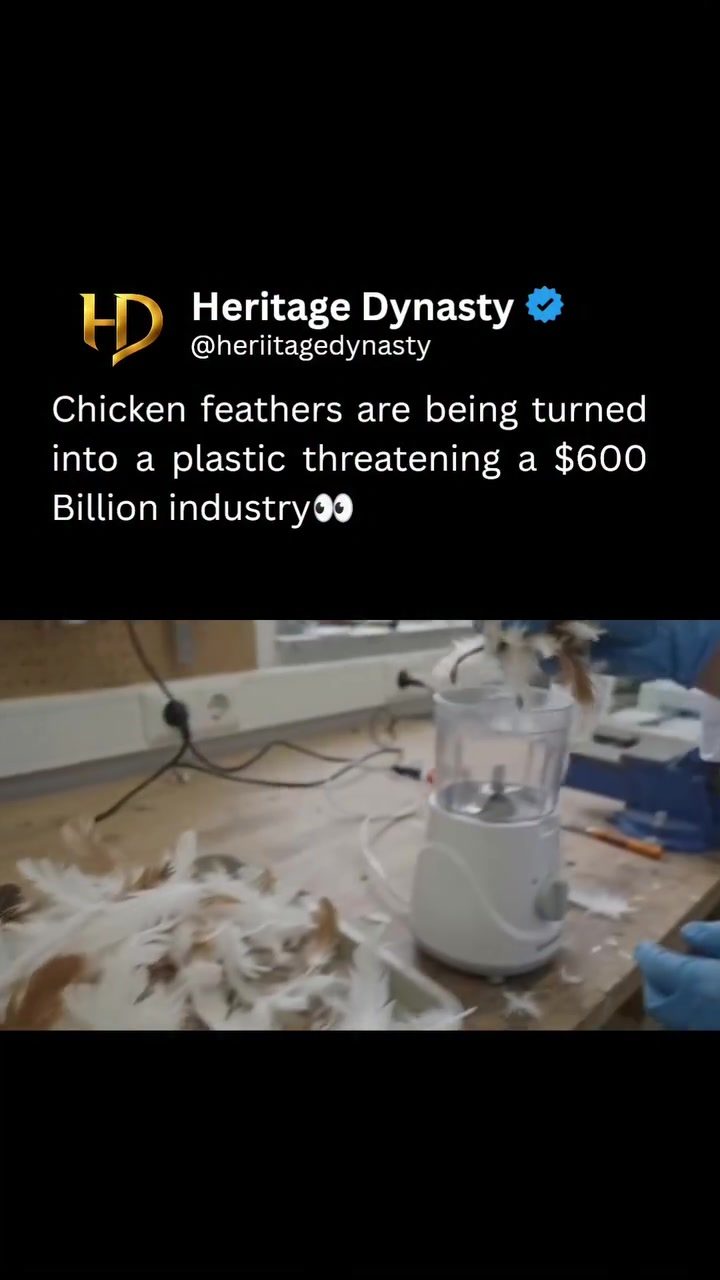
Chicken Feather Plastic Conversion
The transformation of chicken feathers into a viable plastic alternative is a groundbreaking development in the realm of sustainable materials. This innovative process not only addresses the significant waste generated by the poultry industry but also offers a cost-effective and environmentally friendly solution to the global plastics market.
Why This Matters
The global plastics market, valued at over $600 billion, is predominantly reliant on fossil fuel feedstock. The extraction and conversion of keratin protein from discarded chicken feathers into a biodegradable bioplastic film presents a revolutionary alternative. This material can be used for packaging applications, directly competing with petroleum-based plastics. The process is not only sustainable but also economically advantageous, as it utilizes a waste product with no competing demand.
The Conversion Process
Extraction of Keratin Protein
Chicken feathers are primarily composed of keratin, a protein that can be extracted and repurposed. This extraction process involves breaking down the feathers into a fine powder, which is then processed into a material suitable for molding. The resulting bioplastic film is strong, biodegradable, and can be used for various packaging applications.
Molding and Handling
Once the keratin protein is extracted, it can be molded into various shapes and forms. The material is handled with care, often using gloves to ensure safety and precision. The final product is a translucent, feather-like plastic that can be used in a wide range of applications, from packaging to consumer goods.
Environmental and Economic Benefits
The environmental benefits of this process are significant. By repurposing chicken feathers, which are a waste product, the process eliminates the need for disposal and reduces the environmental impact of petroleum-based plastics. Additionally, the cost structure of this process fundamentally undercuts conventional plastic production, making it a more economical choice.
Market Potential
The market potential for this bioplastic is immense. The global plastics market is valued at over $600 billion, and the demand for sustainable, biodegradable materials is growing. This bioplastic not only targets the packaging industry but also has applications in other sectors, such as consumer goods and medical supplies.
Competitive Advantage
The most defensible business model in any industry is the one built on an input that competitors pay to dispose of. This process utilizes chicken feathers, a waste product with no competing demand, providing a significant cost advantage. By aligning cost advantage with sustainability, this bioplastic offers a compelling solution for businesses looking to reduce their environmental footprint while maintaining profitability.
Industry Impact
The poultry industry generates billions of feathers annually, making it a readily available and cost-effective raw material. The conversion of these feathers into a valuable bioplastic not only addresses the waste management challenges faced by the poultry industry but also provides a new revenue stream. This process can be scaled up to meet the growing demand for sustainable materials, making it a viable alternative to conventional plastics.
Practical Tips
Implementing the Process
For businesses interested in implementing this process, it is essential to partner with researchers and innovators in the field. Collaboration with organizations like Heritage Dynasty can provide the necessary expertise and resources to scale up the production of bioplastic from chicken feathers. Additionally, investing in the right equipment, such as a plastic processing device, can ensure the efficient extraction and molding of the keratin protein.
Marketing and Branding
Marketing a sustainable product requires a strategic approach. Highlighting the environmental benefits and cost advantages of the bioplastic can attract eco-conscious consumers and businesses. Brands should emphasize the unique selling points of the product, such as its biodegradability and strength, to differentiate it from conventional plastics.
Regulatory and Compliance
Ensuring compliance with regulatory standards is crucial for the successful implementation of this process. Businesses should stay informed about the regulations governing the production and use of bioplastics in their region. This includes understanding the labeling requirements, disposal guidelines, and other relevant regulations to ensure compliance and build trust with customers.
Important Takeaways
The conversion of chicken feathers into a bioplastic film is a groundbreaking development that offers both environmental and economic benefits. This process utilizes a waste product to create a valuable material, providing a sustainable alternative to petroleum-based plastics. The market potential for this bioplastic is immense, with applications in various sectors, including packaging and consumer goods. By aligning cost advantage with sustainability, this process offers a viable solution for businesses looking to reduce their environmental footprint while maintaining profitability.
Conclusion
The transformation of chicken feathers into a bioplastic film is a testament to the power of innovation and sustainability. This process not only addresses the waste management challenges faced by the poultry industry but also provides a cost-effective and environmentally friendly alternative to conventional plastics. By repurposing a waste product into a valuable material, this process offers a compelling solution for businesses looking to reduce their environmental impact while maintaining profitability. The future of sustainable materials is bright, and the conversion of chicken feathers into bioplastic is a significant step in the right direction.
Watch the Reel
Questions readers ask
What is the primary component of chicken feathers used in the creation of bioplastic?
The primary component is keratin, a protein found in chicken feathers. The unique properties of keratin make it an excellent material for creating biodegradable plastic alternatives
How does the conversion of chicken feathers into plastic address the poultry industry's waste problem?
The conversion process turns chicken feathers, which are typically discarded, into a valuable material. This transformation reduces the amount of waste from the poultry industry and creates a new source of material for the plastics market
What are the economic advantages of using chicken feather-based plastic?
Using chicken feather-based plastic can be cost-effective due to the abundance of chicken feathers as a byproduct of the poultry industry. The process eliminates the need for fossil fuel feedstock, reducing costs and contributing to a more sustainable global plastics market
Can chicken feather plastic be used for the same applications as traditional petroleum-based plastics?
Yes, chicken feather-based plastic can be used for similar applications as traditional plastics, particularly in packaging. The biodegradable properties of keratin plastic make it an attractive alternative for products requiring environmentally-friendly materials
What are the environmental benefits of using chicken feather-based plastic?
Chicken feather-based plastic significantly reduces reliance on fossil fuels, minimizing the environmental impact of plastic production. Additionally, the biodegradable nature of the plastic means it can break down more easily, helping to reduce plastic waste in landfills and the environment
What steps are involved in the conversion of chicken feathers into plastic?
The process involves extracting and converting keratin protein from chicken feathers. This extracted keratin is then processed into a biodegradable bioplastic film, which can be used for various packaging applications. The exact steps may vary, but typically involve chemical and mechanical processes to transform the feathers into a usable plastic material
Recent articles
Fresh deep dives from the latest Reels we unpacked.




Comments
Be the first to comment.