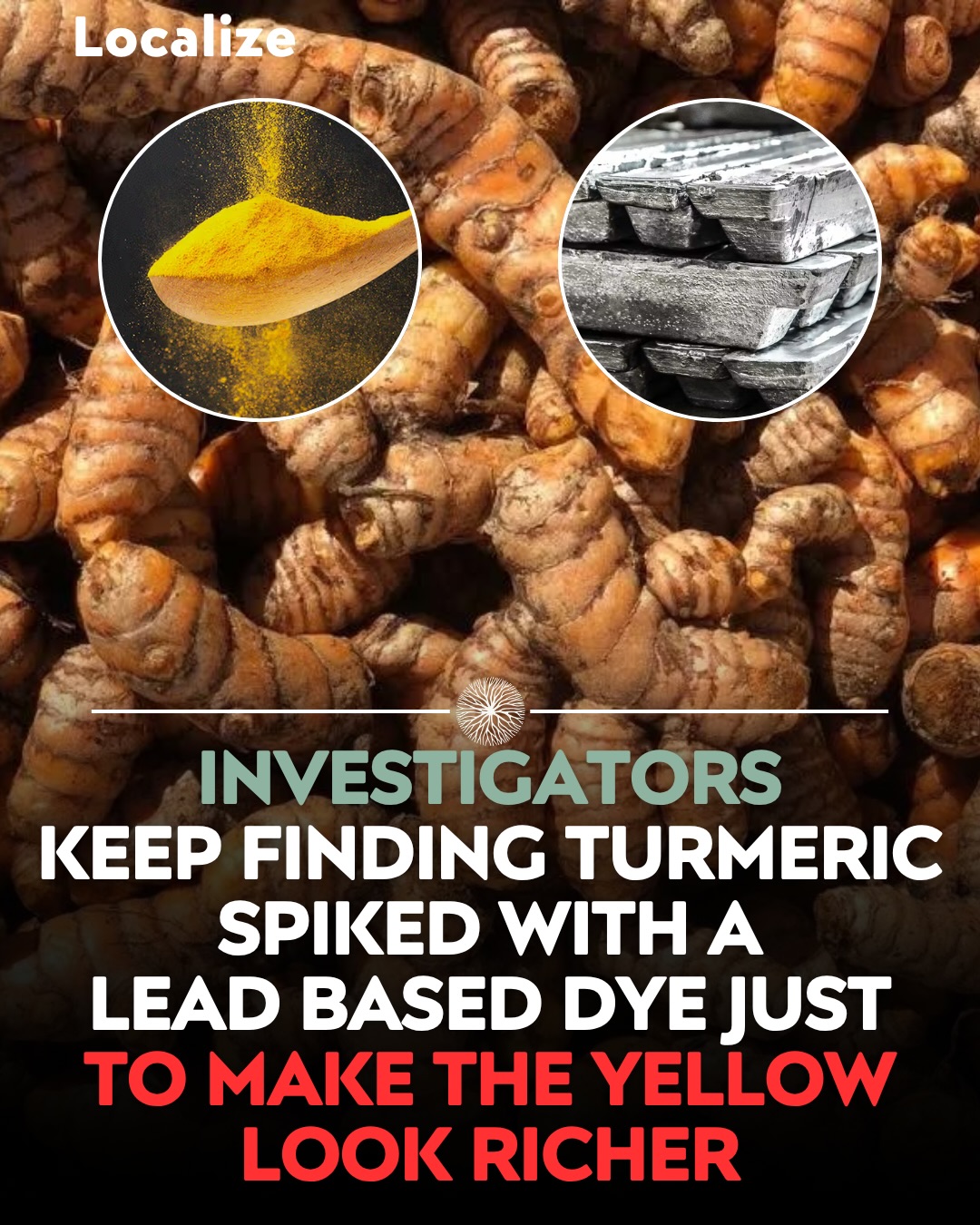
Some overseas processors sneak lead chromate into turmeric powder, brightening its color to make it look richer. At first glance, the powder is just another familiar ingredient. But the adulteration makes it a dangerous imposter.
Following the Trail of Turmeric's Color
Turmeric powder is a staple in many kitchens. It's the vivid yellow color of the powder that brightens up everything from curries to golden milk. A vibrant color provides a taste promise of the south Asian flavor the yellow spice delivers, so its yellow tint has always been its key quality. But for some processors— especially oversea sellers—it's the most plausible thing to fake. At the heart of turmeric is, of course, the turmeric root. Turmeric is a rhizome that grows underground. It's easy to prepare from scratch: scrape, peel, and then dry—before grinding. This means that large-scale processors should not have to add the lead-based colorant to the powder. Yet, not everyone who sells turmeric powder is a spice specialist. Not everyone grows or processes it. The additive lead chromate is a synthetic dye used to enhance the color of turmeric powder.
Turmeric’s Coveted Golden Hue
The market for spices continues to grow and the greater the demand, the greater the incentive to rationalize the process. The chain of players involved in selling turmeric might be long: the agriculturalist, the food processing worker, and the distributor. Each one wants to sell the most visually appealing turmeric powder. Adding lead chromate to the turmeric powder is a short cut, but it makes the powder unsafe for consumption. However, this is an effective long-term change to the color of the powdered turmeric. The dye trick can fool the eye into thinking that it is more pure than it actually is.
The Problem with Lead Chromate
Lead chromate is a bright yellow or orange pigment, developed in the 19th century and commonly used in paints and other coatings—it has always had the same job: to color other substances . The label does not tell the whole story. Some overseas processors of turmeric use the additive to make the turmeric powder look more vibrant and attractive, since the actual extracted powder is a poorer, less-saturated shade of yellow. Color becomes shorthand for other qualities. For instance, the consumer might mistake a pale yellow powder for one that is adulterated: the substance could be old, or it could ‘ve been stored incorrectly, or the content of spices like curcumin might be low or near non-existent.
The Solution: Fresh Root Turmeric
Raw turmeric root is available in most supermarkets and specialty food stores, making it a practical solution. New processors minimize the issues of adulteration, especially from the ongoing extraction of the spice, and allow for easy access to the freshest turmeric. Grinding one's own turmeric root is a simple way to skip the middleman. And it gives a fresh flavor and a color derived from the root’s own qualities. The color of turmeric is directly related to curcumin, the root’s main active compound. More curcumin means a better color and more benefits.
Lead Detection
Unfortunately, identifying the lead chromate in an individual turmeric purchase is not straightforward. The visuals are identical. Detecting dangerous ingredients and ensuring the safety of our food supply is not an easy process, and this is an area of ongoing research. There isn't even a legal body that enforces food safety standards on additives in turmeric imports. It's helpful to consider the motivation to use adulterants, mainly to reduce cost and improve visual appeal. Another trick is to compare different turmeric brands. You can also use the spice straight from a reputable source.
Exploring Local Options on Localize App
Localize is an app that helps consumers buy directly from growers and producers. The Localize app lets you find real spices and producers near you. This means a shorter supply chain—so the turmeric powder you buy is more likely to have been processed directly and is therefore much less likely to be adulterated. If you want to "find real spices and producers near you," Localize is a great way to source the freshest turmeric.
Closing Tips
Choosing which turmeric products to trust isn't always easy, but the first step is to choose a turmeric powder from a trusted brand. And whenever you can, your best bet is to see if there are local producers who provide turmeric powder. Turmeric is a versatile spice that provides more brightness than just color. It's a nutritional powerhouse with a rich history.
Watch the Reel
Questions readers ask
What is lead chromate and why is it used in turmeric powder?
Lead chromate is a bright yellow or orange pigment that is used to enhance the color of turmeric powder. Some overseas processors add it to make the powder look more vibrant and attractive, as the natural turmeric powder can be a poorer, less-saturated shade of yellow.
How can I tell if my turmeric powder has been adulterated with lead chromate?
It can be difficult to tell just by looking, as lead chromate makes the powder appear more vibrant. However, if the turmeric powder is an unusually bright yellow, it might be a sign of adulteration. The best way to ensure purity is to use fresh turmeric root and grind it yourself.
Is there a way to check for lead in turmeric powder at home?
Unfortunately, detecting lead chromate at home is challenging. The process requires specialized equipment and expertise. One way to mitigate the risk is to buy directly from trusted sources or grind your own turmeric from fresh roots.
Why do some processors use lead chromate instead of natural turmeric?
Processors might use lead chromate because it is a cost-effective way to enhance the color of turmeric powder, making it more visually appealing to consumers. However, this practice is dangerous and illegal, as lead chromate is toxic and can cause serious health issues.
Can I still use turmeric powder if it's been adulterated with lead chromate?
No, it is not safe to consume turmeric powder that has been adulterated with lead chromate. Lead is a toxic heavy metal that can cause serious health problems, including neurological damage and developmental issues in children.
What are the health risks associated with consuming lead chromate?
Consuming lead chromate can lead to serious health issues, including neurological damage, developmental problems in children, and other health complications. The toxicity of lead is well-documented, and even small amounts can be harmful over time.
Are there any regulations in place to prevent the use of lead chromate in turmeric powder?
There are regulations in many countries to prevent the use of lead chromate in food products, including spices like turmeric. However, enforcement can be challenging, especially with products imported from overseas. Consumers should be vigilant and purchase turmeric from reputable sources.
Recent articles
Fresh deep dives from the latest Reels we unpacked.




Comments
Be the first to comment.