Tungsten's Remarkable Strength and Durability
Tungsten is a metal renowned for its exceptional properties, including high density and extreme resistance to heat, corrosion, and mechanical damage. But just how strong is it, and why does it hold up against even the most powerful armor-piercing bullets?
Why This Matters
Tungsten is a crucial material in various industries, from aerospace to electronics. Its remarkable strength and durability make it an ideal choice for applications where reliability and performance are paramount. Understanding the unique properties of tungsten, and how it stands up to extreme conditions, can provide insights into its potential uses and advantages in different fields.
The Science Behind Tungsten's Strength
Density and Weight
Tungsten is nearly as dense as gold, making it extremely heavy for its size. In fact, it's about two and a half times heavier than iron. This high density contributes to its incredible strength and resistance to deformation. Because of its weight, handling tungsten can be challenging; even a small block can be difficult to move.
Thermal Shock Resistance
One of the most impressive properties of tungsten is its ability to withstand thermal shock. When heated to extreme temperatures and then rapidly cooled, most metals would crack or shatter. However, tungsten can be heated red-hot and dunked in ice water without showing any signs of damage. This resistance to thermal shock is due to its unique crystal structure, which allows it to absorb and distribute heat without fracturing.
Mechanical Strength
Tungsten's mechanical strength is equally impressive. When subjected to heavy impacts, such as being struck with a sledgehammer, it barely flinches. In fact, the tools used to strike it often sustain more damage than the tungsten itself. This exceptional resistance to mechanical damage makes it an ideal material for applications requiring extreme durability.
Testing Tungsten's Limits
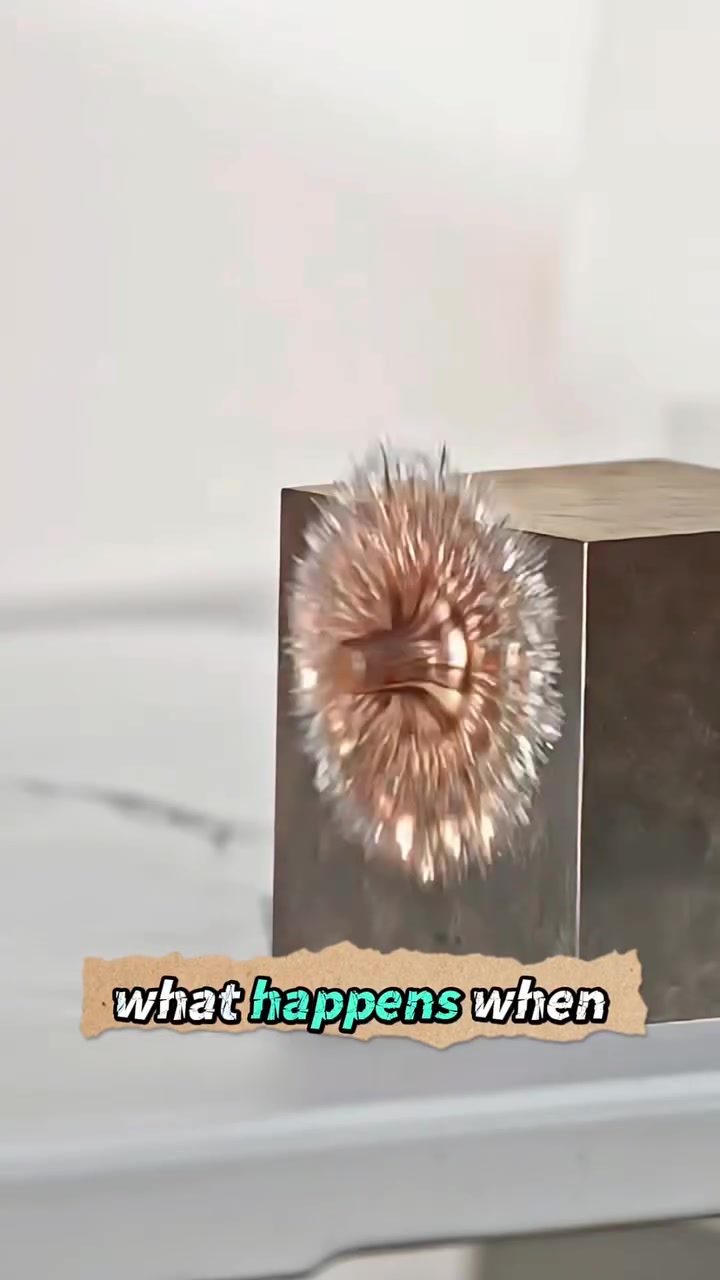
To fully appreciate tungsten's strength, consider what happens when it is subjected to even more extreme conditions. When armor-piercing bullets are fired at a solid tungsten block, the bullets shatter on impact, unable to penetrate the dense material. Even incendiary rounds, which create massive fireballs upon impact, fail to leave a mark on the tungsten block.
In a particularly fascinating test, a rare tungsten core bullet was fired at the tungsten block. The extreme energy of the impact turned into intense heat, causing the bullet to fuse directly into the block rather than breaking apart. This result highlights the incredible resistance of tungsten to extreme mechanical and thermal forces.
Practical Applications
Given its unique properties, tungsten is used in a variety of high-performance applications:
Ammunition and Armor
Tungsten's high density and strength make it an ideal material for armor-piercing ammunition and protective armor. It can withstand the impact of high-velocity projectiles and is often used in military and law enforcement applications.
Aerospace and Electronics
Tungsten's thermal and mechanical stability makes it valuable in aerospace and electronics. It is used in components that require high strength, such as turbine blades and missile components. Its resistance to corrosion and high temperatures also makes it suitable for use in electrical contacts and filaments.
Industrial Tools
The durability of tungsten makes it an excellent choice for industrial tools and machinery. It is often used in cutting tools, drill bits, and other applications where wear resistance and mechanical strength are critical.
Practical Tips for Handling and Using Tungsten
Safety Precautions
Working with tungsten requires careful handling due to its high density and potential for thermal shock. Always use appropriate personal protective equipment (PPE) when handling or machining tungsten.
Machining Tungsten
Due to its extreme hardness, machining tungsten can be challenging. It requires specialized tools and techniques, such as grinding or electrical discharge machining (EDM), to shape it effectively.
Recycling and Repurposing
Tungsten is a valuable material, and recycling it can be both environmentally and economically beneficial. Scrap tungsten can be repurposed for new applications, reducing waste and conserving resources.
Important Takeaways
Tungsten stands out as a material of exceptional strength and durability. Its unique properties, including high density, thermal shock resistance, and mechanical strength, make it a valuable asset in various industries. Whether used in ammunition, aerospace, electronics, or industrial tools, tungsten's performance under extreme conditions is unmatched.
Conclusion
Tungsten's remarkable properties are not just theoretical advantages; they are proven through rigorous testing and real-world applications. From withstanding the impact of armor-piercing bullets to resisting intense thermal shock, tungsten demonstrates its superiority in durability and strength. Understanding and leveraging these properties can lead to innovative solutions and improved performance in various fields.
Watch the Reel
Questions readers ask
What makes tungsten an effective material for resisting armor-piercing bullets?
Tungsten's high density and exceptional strength make it resistant to the impacts from high-velocity bullets. A tungsten alloy penetrator can withstand the impact of armor-piercing bullets. This resistance is due to tungsten’s ability to absorb and dissipate the energy from the impact, making it a valuable material in ballistic applications.
How does tungsten perform under extreme heat conditions?
Tungsten has an extremely high melting point, at 3,422°C. This allows tungsten materials to withstand extreme heat conditions, such as fireballs. Tungsten is often used in high-temperature applications, like aerospace and welding, where it can maintain its integrity and performance even in extreme environments.
What happens to tungsten bullets when they impact a hard surface?
When tungsten bullets impact a hard surface, the bullet may flatten or shatter, depending on the impact angle and velocity, due to its high density and durability. However, the tungsten bullet will not deform or break as easily as a conventional lead bullet, making it a superior choice for penetrating hard targets.
Can tungsten be used to create printer components?
Yes, tungsten can be used in 3D printing to create components. Tungsten provides excellent printing performance, durability and resistance to heat and corrosion. Tungsten printer experiments have demonstrated that it can be used to create strong, high-quality parts for various applications.
How does tungsten compare to other metals in terms of durability?
Tungsten is one of the most durable metals available, with exceptional resistance to mechanical damage, corrosion, and heat. Compared to other metals like steel or titanium, tungsten offers superior durability and strength, making it an ideal choice for high-stress and high-temperature applications.
Why is tungsten used in armor-piercing bullets?
Tungsten is used in armor-piercing bullets due to its high density and incredible strength. The unique properties of the tungsten material allow it to penetrate through barriers, making it a preferred choice for anti-tank and anti-vehicle rounds.
Is tungsten effective in resisting fireballs?
Yes, tungsten is highly effective in resisting fireballs due to its high melting point and exceptional heat resistance. Its ability to withstand extreme heat conditions makes it a valuable material for applications where fireballs may be encountered, such as in military and aerospace industries.
Recent articles
Fresh deep dives from the latest Reels we unpacked.




Comments
Be the first to comment.