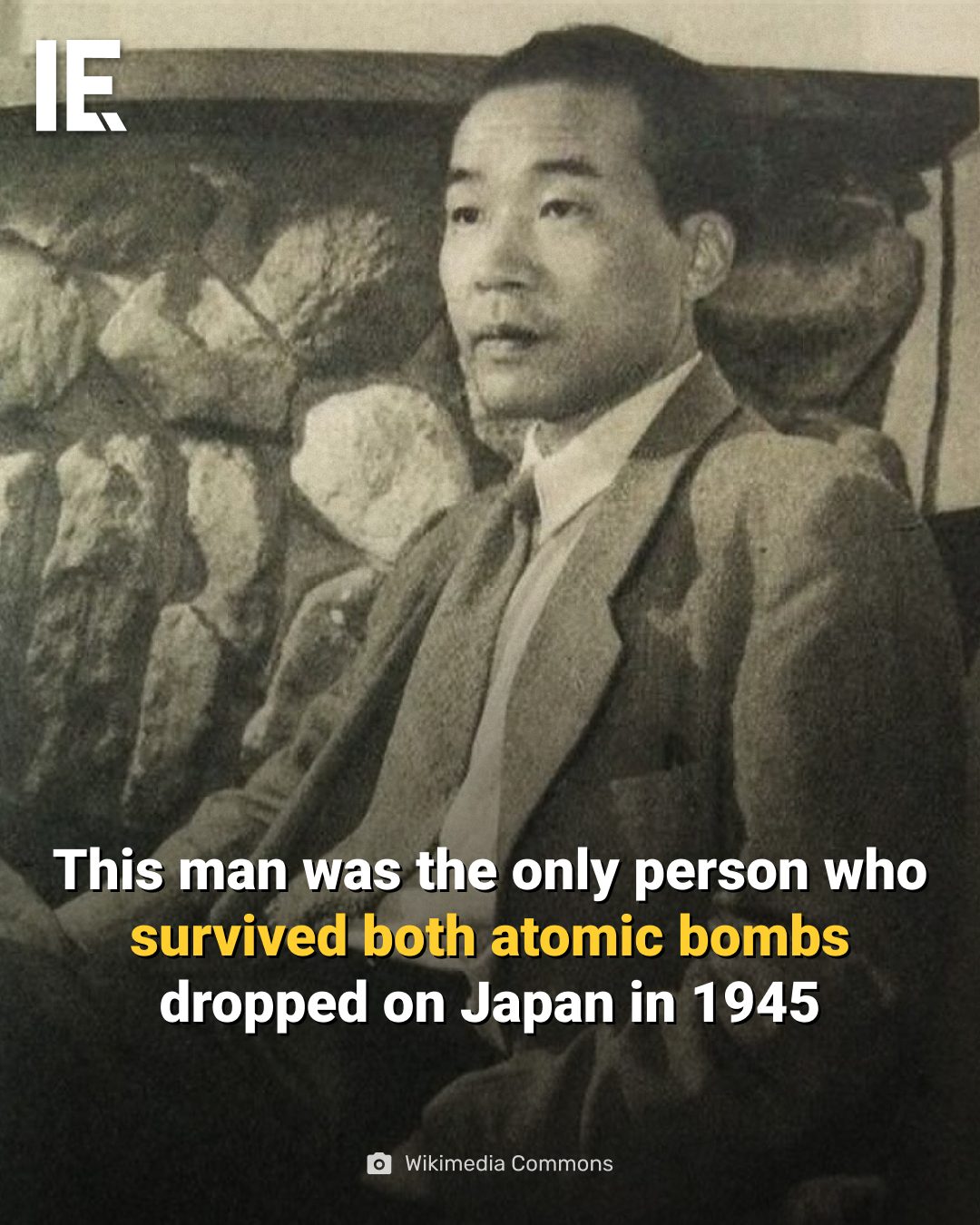
Tsutomu Yamaguchi is a name that echoes through history with a unique and harrowing tale. He was the only individual officially recognized as having survived both atomic bombings of Hiroshima and Nagasaki in 1945. His story is a testament to the profound and enduring impact of nuclear warfare, as well as a call to remember the human cost of such devastation.
Why this Matters
The atomic bombings of Hiroshima and Nagasaki on August 6 and 9, 1945, respectively, are pivotal events in world history. The devastation wrought by these nuclear explosions not only ended World War II but also launched the world into the atomic age, forever changing the landscape of global politics and military strategy. Tsutomu Yamaguchi’s survival and subsequent advocacy for nuclear disarmament serve as a critical reminder of the catastrophic potential of nuclear weapons and the urgent need for disarmament.
The Atomic Bombs and Japan
The atomic bombings of Hiroshima and Nagasaki were pivotal events in World War II, but their impact extended far beyond the immediate destruction.
Hiroshima
On August 6, 1945, the United States dropped the first atomic bomb, named "Little Boy," on the city of Hiroshima. The explosion released an energy equivalent of approximately 15 kilotons of TNT, instantly killing tens of thousands of people and inflicting severe injuries on many more. Tsutomu Yamaguchi was in Hiroshima on a business trip when the bomb detonated approximately 579 meters above the city. Despite the horrendous conditions, he survived.
Nagasaki
Three days later, on August 9, 1945, the United States dropped a second atomic bomb, named "Fat Man," on the city of Nagasaki. This bomb had an energy equivalent of about 21 kilotons of TNT, causing widespread destruction and loss of life. Yamaguchi, having returned home to Nagasaki, was once again present when the bomb fell. Remarkably, he survived this second explosion as well.
The Man Who Survived
Tsutomu Yamaguchi’s survival was a fluke of chance. His experience and the harsh conditions of the aftermath should have killed him, but he endured. His survival was made more remarkable by the fact that he was the only person ever officially recognized by the Japanese government as a double survivor of the atomic bombings. Given the devastating impact of the bombs, his survival story is an anomaly in the annals of World War II.
The Official Recognition
In March 2009, the Japanese government officially recognized Yamaguchi as a nijū hibakusha, or double survivor. This designation was unique to him, as no other individual came forward to claim the status, despite Japanese records suggesting others may have been present at both explosions. The recognition was a testament to his extraordinary survival and a reminder of the horrors of nuclear warfare.
Life After the Bombings
After the bombings, Yamaguchi went on to become a teacher, dedicating his life to educating others. He also became a vocal advocate for nuclear disarmament, pleading for the abolition of nuclear weapons at the United Nations at the age of 90. His advocacy work was driven by a deep sense of responsibility to share his experiences and to push for a world free from the threat of nuclear annihilation.
Practical Tips for Understanding Historical Impact
Understanding the impact of historical events like the atomic bombings can be challenging, but it is crucial for understanding the present and shaping the future.
Reflect on the Human Cost
The atomic bombings of Hiroshima and Nagasaki resulted in the deaths of over 200,000 people, many of whom were civilians. Reflecting on the human cost of these bombings can help us appreciate the importance of peace and the need for disarmament.
Study the Aftermath
The aftermath of the bombings was as horrific as the explosions themselves. Survivors faced long-term health issues, including radiation sickness and cancer. Studying the aftermath can help us understand the long-term impacts of nuclear warfare and the need for international cooperation to prevent such events from happening again.
Engage in Dialogue
Engaging in dialogues about nuclear disarmament with others can help promote awareness and understanding. Sharing stories like Tsutomu Yamaguchi’s can help others appreciate the urgency of the issue and inspire them to take action.
Important Takeaways
Tsutomu Yamaguchi’s story is a powerful reminder of the destruction and suffering caused by nuclear weapons. His survival and subsequent advocacy for nuclear disarmament underscore the importance of working towards a world free from the threat of nuclear annihilation. The atomic bombings of Hiroshima and Nagasaki are pivotal events in world history, and understanding their impact is crucial for shaping a peaceful future.
Conclusion
Tsutomu Yamaguchi’s extraordinary survival of both atomic bombings in Japan serves as a stark reminder of the devastating potential of nuclear weapons. His story highlights the importance of working towards nuclear disarmament and the need for international cooperation to prevent such events from happening again. By reflecting on the human cost, studying the aftermath, and engaging in dialogue, we can honor Yamaguchi’s legacy and work towards a more peaceful world.
Watch the Reel
Questions readers ask
Who was Tsutomu Yamaguchi and what makes his story unique?
Tsutomu Yamaguchi was a Japanese naval engineer who survived both the atomic bombings of Hiroshima and Nagasaki in 1945. His story is unique because he is the only person officially recognized by the Japanese government as having experienced both catastrophic events. While others may have survived the bombing of one city and lived to tell the tale, Yamaguchi is singular in having endured the devastation of both sites.
How did Tsutomu Yamaguchi survive both atomic bombings?
Tsutomu Yamaguchi was in Hiroshima on a business trip when the first atomic bomb was dropped. He sustained serious injuries and managed to find support in a local shelter, then returned to his family in Nagasaki. Three days later, on August 9, 1945, Nagasaki was hit by the second atomic bomb. Yamaguchi was exposed to radiation again but managed to survive, despite the immense destruction.
What were the immediate effects of the atomic bombings on Tsutomu Yamaguchi?
Tsutomu Yamaguchi suffered severe burns and radiation sickness in Hiroshima, but he managed to travel back to Nagasaki. In Nagasaki, he was able to find shelter and receive treatment, allowing him to survive the second atomic bomb. Nagasaki's bombing inflicted additional injuries and radiation exposure, which left him with long-term health issues, including anemia and cataracts.
How did Tsutomu Yamaguchi's experiences influence his later life?
Following the bombings, Tsutomu Yamaguchi became a prominent advocate for nuclear disarmament. His experiences led him to share his story widely, aiming to raise awareness about the horrors of nuclear warfare and the lasting impact on survivors' lives. He remained active in anti-nuclear movements until his death in 2010 at the age of 93.
What was the significance of Tsutomu Yamaguchi's recognition as the sole survivor of both bombings?
Tsutomu Yamaguchi's official recognition underscores the magnitude of his survival and the profound impact of the atomic bombings. The Japanese government's acknowledgment emphasized the extraordinary nature of his experience and underscored the human cost of nuclear warfare. It also highlighted the need for continued reflection on the consequences of nuclear weapons and the importance of advocacy for disarmament.
How did Tsutomu Yamaguchi's survival story impact public awareness of nuclear warfare?
Tsutomu Yamaguchi’s story has become a powerful narrative that brings attention to the real human cost of nuclear weapons. By sharing his experiences, Yamaguchi has helped to instill a sense of urgency around the dangers of nuclear warfare and the importance of preventing future catastrophes. His survival serves as a poignant reminder of the ongoing effects of nuclear devastation, encouraging discussions about peace and disarmament.
What was the global impact of the atomic bombings on Hiroshima and Nagasaki?
The atomic bombings of Hiroshima and Nagasaki marked a turning point in world history, ending World War II and ushering in the atomic age. These events reshaped global politics and military strategy, influencing international relations and the development of nuclear weapons. The bombings served as a stark warning of the devastating potential of nuclear warfare, prompting widespread advocacy for disarmament and peace efforts, including the work of survivors like Tsutomu Yamaguchi.
Related deep dives
Similar reads based on topic and creator.


Recent articles
Fresh deep dives from the latest Reels we unpacked.




Comments
Be the first to comment.